Current Status and Opportunities for Spanish Wine Promotion
Recently, I’ve been contemplating the global marketing strategies for Spanish wines, and I’ve found this topic truly worthy of in-depth exploration. As the Spanish wine classification world’s third-largest wine producer, Spain possesses rich grape varieties and unique winemaking techniques, yet its international market recognition falls far short of France and Italy. This contrast precisely illustrates the importance and potential scope of promotional work.
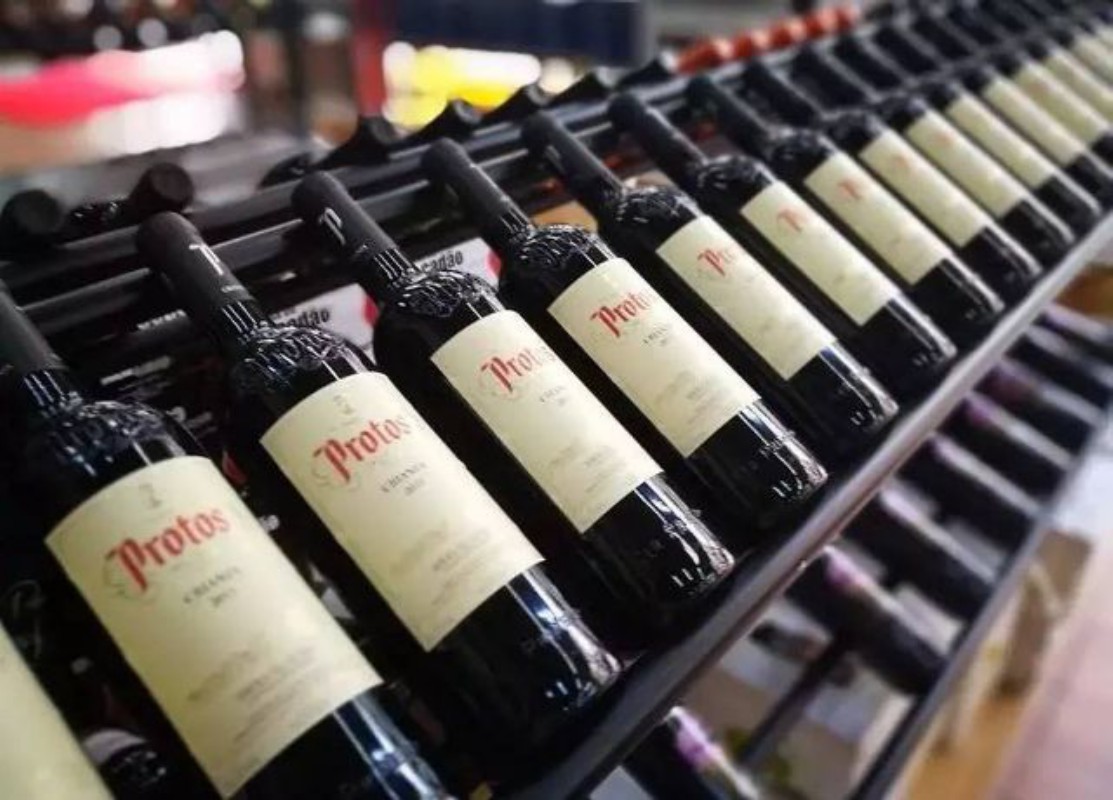
Regional Differentiation Positioning Strategy
Spanish red wines from different regions each have their unique characteristics, requiring emphasis on these differentiated advantages during promotion. Rioja is renowned for its elegant Tempranillo wines, suitable for positioning along classic traditional lines; Ribera del Duero is famous for its rich, full-bodied style and can follow a modern innovative route. Priorat’s mineral character and steep terraced vineyard culture can be developed into unique terroir storytelling selling points.
| Region | Main Variety | Style Characteristics | Promotional Positioning |
|---|
| Rioja | Tempranillo | Elegant Balance | Classic Traditional |
| Ribera del Duero | Tempranillo | Rich Full-bodied | Modern Premium |
| Priorat | Grenache | Mineral Complex | Terroir Supreme |
Brand Storytelling and Cultural Marketing
Simple product descriptions are outdated, today’s consumers are more interested in the stories behind brands. Spanish wines can approach this from angles of historical heritage, family wineries, and traditional craftsmanship. For instance, some wineries can trace their origins back to medieval times, and this historical gravitas serves as excellent marketing material. Additionally, cultural elements like flamenco, bullfighting, and Spanish cuisine can effectively support wine promotion, creating unique brand associations.
Digital Marketing Channel Development
While traditional offline promotion remains important, digital marketing has become an undeniable force. I recommend establishing multilingual official websites, producing high-quality regional introduction videos, and regularly sharing wine knowledge and winery updates on social media platforms. Influencer marketing is also an excellent choice, collaborating with renowned sommeliers, food bloggers, and others for promotional partnerships.
Most importantly, establishing a comprehensive consumer education system is crucial. Many people’s understanding of Spanish wine promotions remains quite superficial. Through wine tastings, winery visits, and food pairing events, consumer awareness and loyalty can be effectively enhanced. While this long-term market cultivation may be slow to show results, the effects are often more lasting.
