Spanish DO Wine: Perfect Expression of Quality Assurance
As a wine enthusiast who has lived in Spain for many years, I’ve been deeply captivated by the rich wine culture here. Today I’d like to share some insights about Spanish DO wine. DO certification can be considered the gold standard of Spanish wine quality, similar to France’s AOC, representing strict quality control and regional characteristics.
What is DO Certification
Spain’s DO certification system was established in 1932 as an EU-recognized protected designation of origin. Wines receiving DO certification must comply with strict production standards, including specific regulations for grape varieties, cultivation methods, and winemaking processes. Currently, Spain has over 70 DO regions, each with its unique terroir conditions and winemaking traditions.
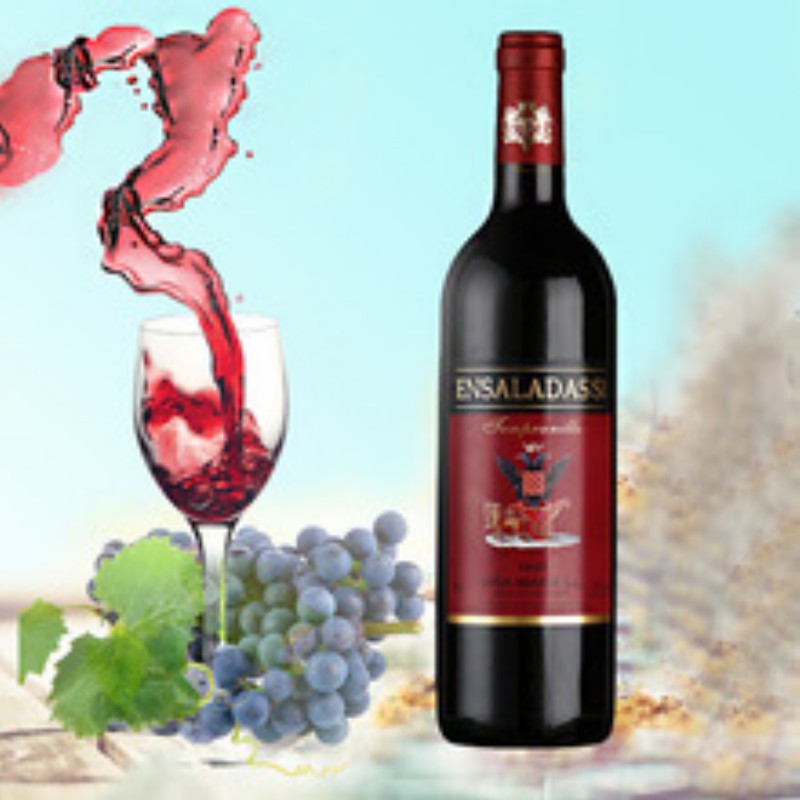
Major DO Regional Characteristics Comparison
| Region Name | Main Grape Varieties | Wine Body Character | Aging Potential |
|---|
| Rioja | Tempranillo | Elegant Balance | 10-20 years |
| Ribera del Duero | Tempranillo | Rich and Full-bodied | 15-25 years |
| Priorat | Garnacha, Cariñena | Strong Mineral Character | 8-15 years |
| Jerez | Palomino | Unique Oxidative Flavor | Special Process |
Practical Tips for Purchasing DO Wine
When purchasing DO wine, I usually focus on several key points. First, look for the DO marking on the label - authentic DO wines clearly display the region name and DO certification symbol on their labels. Second, understand the characteristics of different regions through Spanish wine names, for example, Rioja is known for elegance while Ribera del Duero is renowned for richness.
Price-wise, DO wines typically range from 15-50 euros, though premium bottles can cost more. I recommend beginners start with Rioja Crianza level, which undergoes oak barrel aging, offers balanced flavor, and provides an easy entry point.
Tasting Experience Sharing
Recently I tasted a DO wine from Ribera del Duero made with 100% Tempranillo grapes. Upon opening, it released intense aromas of blackberry and vanilla, with good tannin structure on the palate and a long finish. This quality is exactly what vino tinto DO certification guarantees, absolutely incomparable to ordinary table wines.
For friends new to Spanish wine, I suggest participating in local wine tastings or visiting wineries to personally experience the charm of DO wines. Spanish wineries are usually very welcoming to visitors, and prices are more affordable compared to other European countries.
