Exploring the Dual Charm of European Red Wines
As a wine enthusiast who has lived in Spain for many years, I am deeply attracted to the wine cultures of France and Spain, these two neighboring countries. Whenever friends ask me which country’s wine is better, I always smile and answer: Why choose? Each has its own merits, just as life requires diverse experiences.
French Wine: Symbol of Elegance and Tradition
French wines are renowned worldwide for their exquisite winemaking craftsmanship and long-standing traditions. Bordeaux’s Cabernet Sauvignon blends showcase strong tannin structures, while Burgundy’s Pinot Noir is celebrated for its delicate elegance. I remember the first time I tasted a 2015 Château Margaux - those complex layers of fruit aromas remain unforgettable to this day.
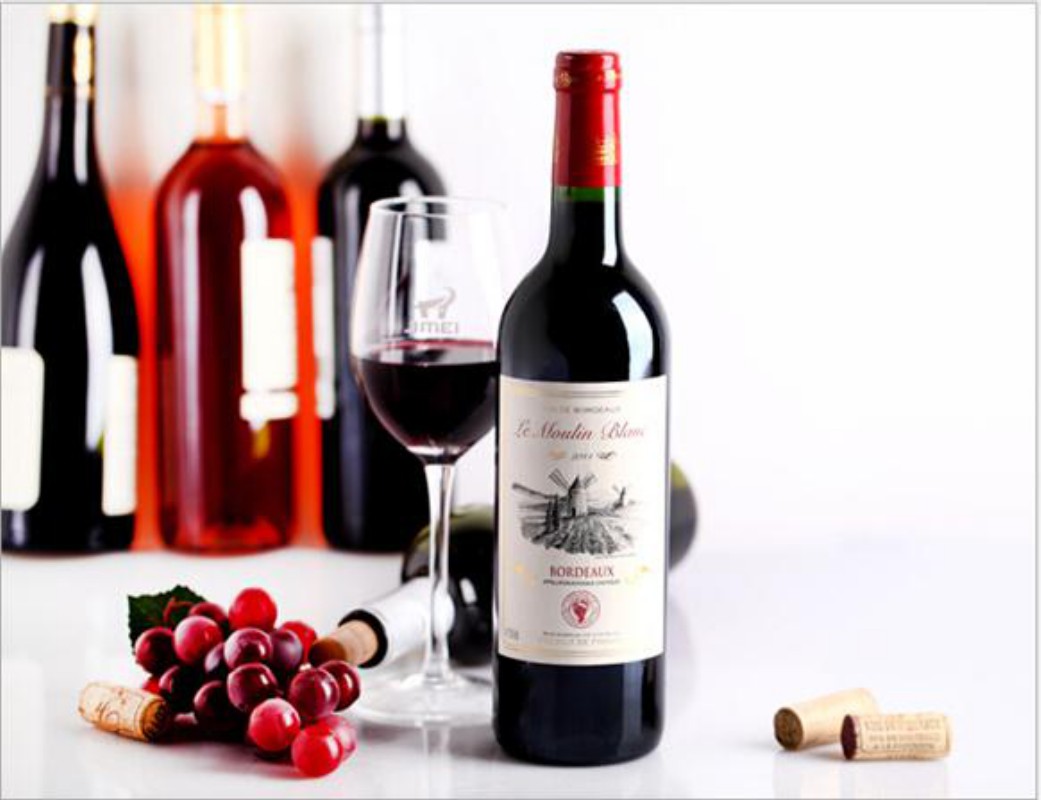
France’s wine classification system is quite strict, from table wines to grand cru, each level has clear standards. AOC certification ensures the authenticity of grape varieties, origin, and winemaking methods. This rigorous attitude has established French wines’ prestigious position in the international market.
Spanish Wine: The Combination of Passion and Innovation
Spanish wines showcase a completely different style. Red wines from Rioja’s Tempranillo grapes, after oak barrel aging, present unique vanilla and leather aromas. Compared to French wines’ restraint, Spanish wines are more open and passionate, just like the country’s character.
| Regional Features | French Bordeaux | Spanish Rioja |
|---|
| Main Varieties | Cabernet Sauvignon, Merlot | Tempranillo, Garnacha |
| Aging Time | 12-24 months | 24-36 months |
| Flavor Profile | Elegant and Complex | Rich and Intense |
| Price Range | €15-500+ | €8-200+ |
Spanish wines often offer superior value for money. A quality Rioja aged wine typically costs only half the price of an equivalent French wine. This doesn’t mean compromising on quality, but rather demonstrates Spanish winemakers’ pragmatic approach.
Tasting Recommendations and Pairing Insights
In daily tastings, I suggest approaching these wines from two perspectives: first, don’t be bound by regional prejudices - taste with an open mind; second, pay attention to temperature control - French wines are suitable at 16-18°C, Spanish wines can be slightly higher at 18-20°C.
Regarding food pairings, French wines complement refined French cuisine perfectly, such as foie gras and lamb chops; Spanish wines pair beautifully with Iberian ham, roasted lamb, and other traditional Spanish dishes. Of course, rules are meant to be broken, and innovative pairings often bring unexpected delights.
