As a wine enthusiast who has lived in Spain for many years, I’d like to share some insights about the most representative wine variety here—Tempranillo. This wine variety, hailed as Spain’s national wine, truly possesses unique charm and profound cultural heritage.
History and Regional Distribution of Tempranillo
Tempranillo’s history can be traced back to medieval times, primarily distributed in the north-central regions of Spain. Rioja is undoubtedly the most famous Tempranillo region, where climate conditions and soil characteristics provide the perfect environment for Tempranillo cultivation. Besides Rioja, regions like Ribera del Duero and Toro also produce high-quality Tempranillo wines.
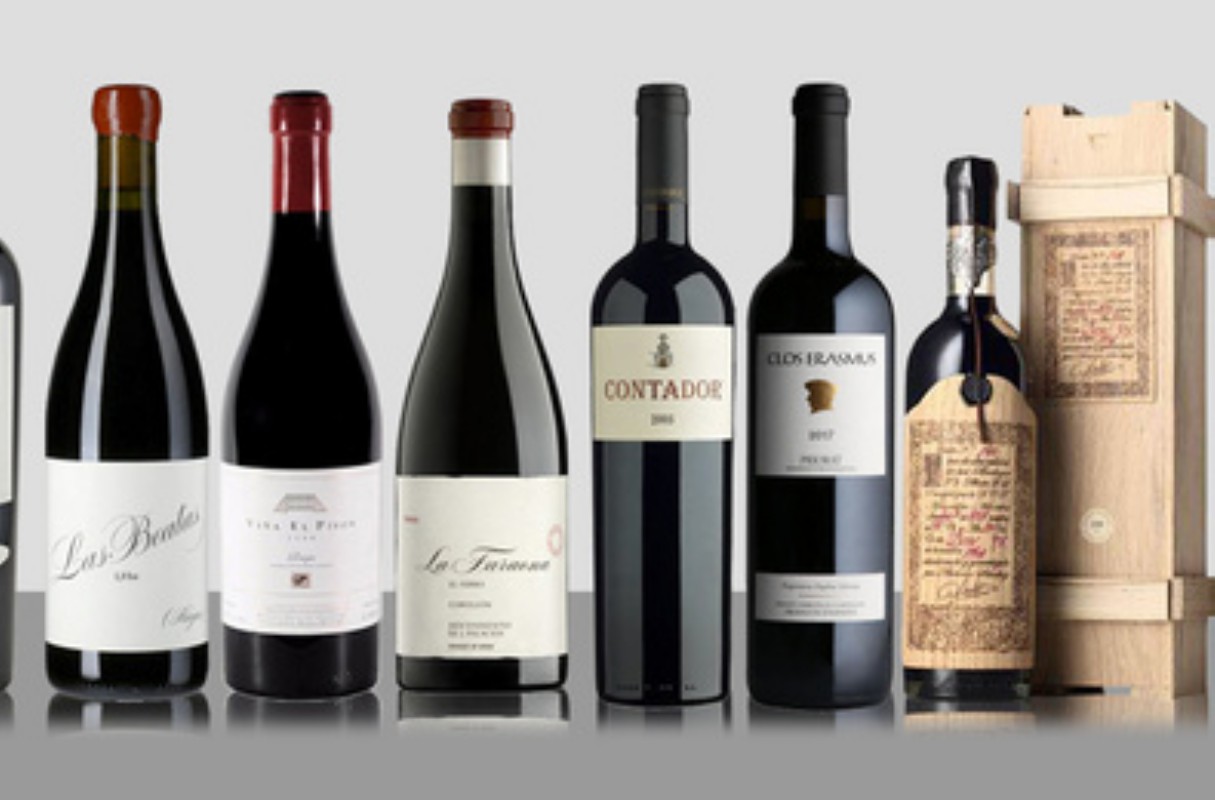
Tempranillo from different regions presents distinct flavor characteristics. Rioja Tempranillo typically features elegant tannins and complex aromatic layers, while Ribera del Duero Tempranillo is more concentrated and profound, with stronger fruit aromas and mineral notes.
Tasting Characteristics of Tempranillo Wine
| Characteristic | Description |
|---|
| Color | Deep red to purple-red, turning garnet red with aging |
| Aroma | Cherry, strawberry, vanilla, leather, tobacco |
| Palate | Medium to full body, moderate tannins, balanced acidity |
| Alcohol Content | Usually between 13-15% |
A notable feature of Tempranillo wine is its excellent drinkability. Young Tempranillo is full of fruit flavors, suitable for daily consumption; oak-aged Tempranillo is more complex, perfect for special occasions. Personally, I prefer Tempranillo aged 5-8 years, as wines at this stage have developed rich secondary aromas while maintaining good fruit balance.
Food Pairing Suggestions
Regarding food pairing, Tempranillo wine’s versatility is impressive. Traditional pairings include roasted lamb, Iberian ham, Manchego cheese, and other Spanish classic delicacies. However, I’ve found it pairs well with Asian cuisines too, such as braised pork belly and roasted duck with certain sweetness.
Not recommended with seafood, as Tempranillo’s tannins might create a metallic taste with seafood. Conversely, it pairs excellently with various meats and mature hard cheeses.
Purchasing and Storage Recommendations
When purchasing Tempranillo wine in Spain, pay attention to regional information and vintage on the label. The DO designation guarantees quality. For beginners, I recommend starting with Rioja Crianza level wines, which undergo at least one year of oak aging, offer balanced taste, and are reasonably priced.
For storage, Tempranillo wine should be kept at 15-18°C, avoiding direct sunlight and temperature fluctuations. Most Tempranillo wines have good aging potential, with quality Gran Reserva wines capable of aging over 20 years.
Tempranillo wine is an excellent introduction to understanding Spanish wine culture. It combines deep historical heritage with modern drinkability that appeals to contemporary palates. Whether gathering with friends or enjoying alone, a good bottle of Tempranillo always provides a delightful experience. You can learn more about Tempranillo wine prices and explore Tempranillo bull logo wines for a deeper understanding of these classic Spanish wines.
