As a wine enthusiast who has lived in Spain for many years and studied Spanish wine terminology, I’d like to share the Spanish wine classification system with you today. Many friends often feel confused when purchasing Spanish wines, not understanding what those Spanish terms on wine labels actually mean. I hope this article will be helpful.
Overview of Spanish Wine Classification System
Spain’s wine grading system is relatively straightforward, primarily based on aging time requirements. From lowest to highest, the levels are: Joven, Crianza, Reserva, and Gran Reserva. Each level has strict aging time requirements, which directly affect the wine’s quality and price.
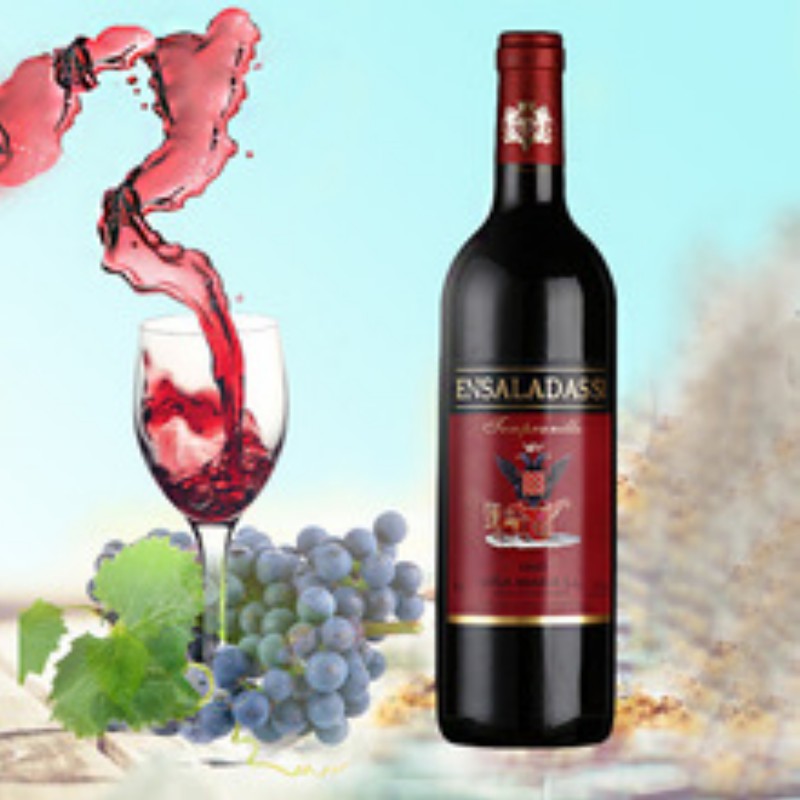
Here’s the detailed classification table:
| Level | Spanish Name | Minimum Aging | Oak Barrel Aging | Characteristics |
|---|
| Young Wine | Joven | No requirement | No requirement | Intense fruit aromas, suitable for young consumption |
| Aged Wine | Crianza | 24 months | At least 6 months | Well-balanced, moderate complexity |
| Reserve | Reserva | 36 months | At least 12 months | Complex structure, strong aging potential |
| Grand Reserve | Gran Reserva | 60 months | At least 18 months | Highest quality, suitable for long-term cellaring |
Detailed Description of Each Level with Spanish Wine Barcode Information
Joven wines typically reach the market in their second year after production. These wines maintain the original fruit characteristics of the grapes, with fresh and lively flavors. They’re relatively affordable and perfect for everyday drinking. However, note that some high-quality young wines may also undergo brief oak treatment.
Crianza offers excellent value for money, aged for at least two years with minimum six months in oak barrels. This level begins to show complexity, achieving a nice balance between fruit and oak flavors. Crianza is a popular choice when dining at restaurants.
The difference between Reserva and Gran Reserva lies mainly in aging time. Reserva requires at least three years of aging, while Gran Reserva needs five years. These two levels are typically produced only in excellent vintages and represent the winery’s highest standards. It’s worth noting that not all wineries produce Gran Reserva level wines.
Purchasing Recommendations
For those new to Spanish wines, I recommend starting with Crianza, as this level offers stable quality at reasonable prices. For special occasions or collecting purposes, consider Reserva or Gran Reserva. When purchasing, pay attention to the vintage and classification markings on the label - authentic Spanish wines clearly display this information. Additionally, wines from renowned regions like Rioja and Ribera del Duero typically offer more reliable quality.
