Recently, in several newly opened bars in Madrid, I’ve noticed more and more people discussing new wave Spanish red wines. As someone who has lived in Spain for over a decade, I feel it’s necessary to share my thoughts on this topic. After all, we’re all familiar with traditional Rioja and Ribera del Duero regions, but what about these emerging wineries?
What is New Wave Spanish Red Wine
New wave Spanish red wine mainly refers to wineries that have emerged in the past 20 years, typically employing more modern winemaking techniques, emphasizing fruit expression, and reducing oak barrel aging time. These wineries are mostly distributed in regions like Valladolid and Toledo, forming a stark contrast to the traditional Rioja region. Honestly, I was initially skeptical.
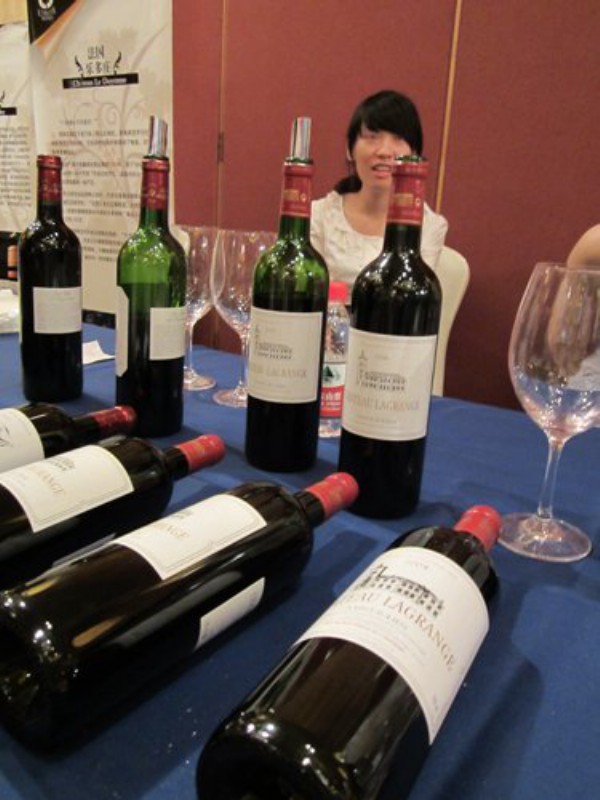
Taste Experience Comparison
I specifically purchased several new wave winery red wines to taste, and here are my genuine comparative impressions:
| Wine Type | Fruit Intensity | Tannin Strength | Value for Money |
|---|
| Traditional Rioja | Medium | Strong | Medium |
| New Wave Wineries | Rich | Moderate | High |
| French Same Price | Moderate | Strong | Lower |
What impressed me most was a Tempranillo from Valladolid, with very pronounced fruit aromas upon entry, without the heavy oak flavor of traditional Spanish red wines, making it more suitable for younger palates.
Price Analysis
In terms of pricing, new wave Spanish red wines definitely have an advantage. Generally speaking, you can get decent quality wines for 15-25 euros, while French wines of similar quality might cost 30-40 euros. For those of us living in Spain, this value proposition is quite attractive.
However, I must be honest - not all new wave wineries are worth recommending. I’ve tried several wines that excessively pursue fruit flavors, losing the robust character that Spanish red wines should have, tasting more like fruit juice.
Personal Recommendations
I think the ZAINFe del Cura brand is doing well, available at El Corte Inglés for around 18 euros. Additionally, Marqués de Murrieta’s new series is worth trying, though slightly pricier but well-balanced in taste.
For information on pricing and selection, you might want to check out this comprehensive new wave Spanish wine price guide.
New wave Spanish red wines certainly have their merits, especially for those who aren’t accustomed to the heavy character of traditional Spanish red wines. For more detailed insights, you can read about new wave Spanish wine experiences that explore the perfect fusion of traditional and modern techniques. But to say they completely replace traditional wines, I think there’s still something missing. What do you think? Have you tried any good new wave wineries worth recommending?
