Hello everyone! I’ve been working as a professional wine taster in Spain for almost two years now, and I’d like to share the real situation of this job with you. Many friends might still be unfamiliar with this profession, so let me discuss it in detail today.
Job Responsibilities and Daily Schedule
The main work of a wine taster involves sampling and evaluating various wine products. After starting work each day, we receive samples from different wineries that need to be assessed following standard procedures. The work environment is relatively relaxed, but it demands high standards for taste and smell sensitivity. Besides wine tasting, we also need to fill out detailed tasting reports, recording various indicators such as body, aroma, and mouthfeel.
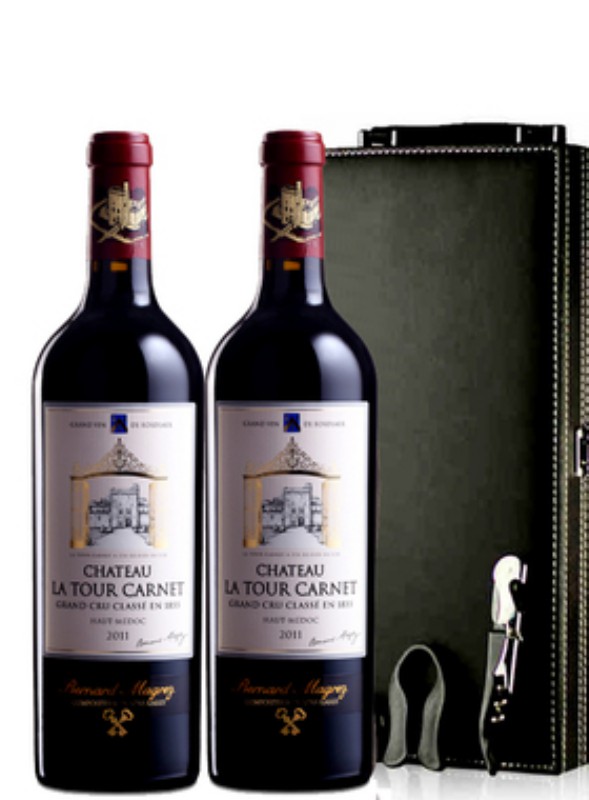
On average, we taste 15-20 different wines daily. It sounds enjoyable, but actually requires maintaining high professionalism. You absolutely cannot get drunk - it’s just light tasting, and you must rinse your mouth with water between tastings to maintain taste sensitivity.
Salary Analysis
Regarding the income question everyone cares about most, I’ve compiled a simple comparison table:
| Experience Level | Monthly Salary Range | Additional Benefits |
|---|
| Beginner | 1500-2000 | Paid training |
| Experienced | 2200-2800 | Tasting allowance |
| Senior | 3000-4000 | Year-end bonus |
The starting salary in this industry is considered medium level in Spain, but there’s good income growth potential as experience accumulates. Many colleagues transferred from other industries because of their passion for wine.
Entry Requirements and Career Prospects
To become a wine taster, you don’t need particularly high educational background, but it requires high standards for taste talent and learning ability. Companies usually provide 3-6 months of training, teaching wine knowledge, tasting techniques, and industry standards.
Regarding career prospects, with rich experience you can transition to higher-end positions like sommelier, wine purchasing, or winery consultant. Some people think this job is very easy, but it actually requires continuous learning and maintaining professional standards, as the wine market changes rapidly with new varieties and techniques constantly emerging.
If you have genuine interest in wine and are willing to invest time in learning, this is indeed a good career choice. In Spain, a major wine-producing country, demand in this industry remains relatively stable. Friends who want to learn more details are welcome to leave comments for discussion!
