Among Spain’s numerous wine brands, Rooster red wine has won the favor of many wine enthusiasts with its distinctive logo and exceptional taste. As a wine lover who has lived in Spain for many years, I’d like to share some practical information about this brand today.
The brand background of Rooster red wine is quite fascinating. This brand originally emerged from Spain’s northern Rioja region, featuring a rooster as its trademark symbol, representing the vitality and passion of dawn. With nearly a century of history since its establishment, the brand has consistently maintained a perfect combination of traditional winemaking techniques and modern technology. It’s worth noting that the rooster symbol represents courage and pride in Spanish culture, which perfectly embodies the brand’s cultural essence.
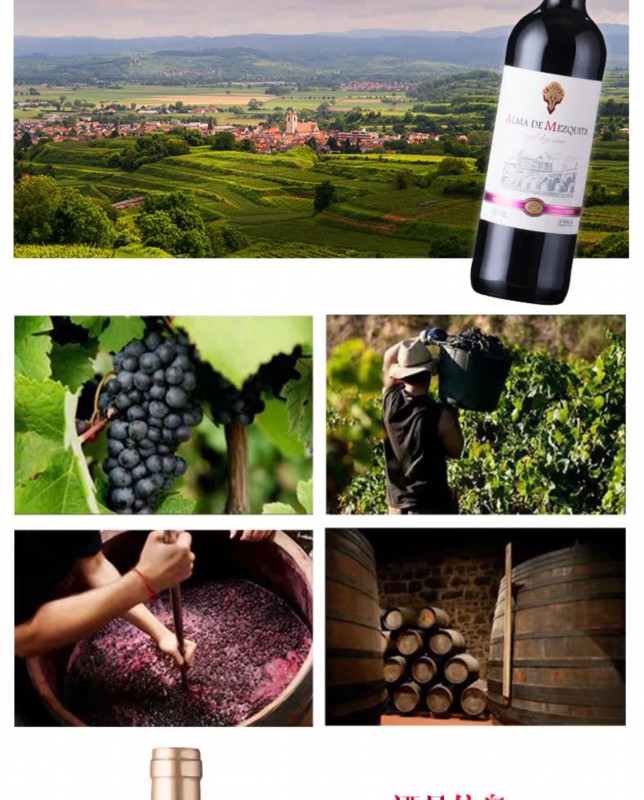
Regional Characteristics and Winemaking Process
Rooster red wine primarily originates from two renowned regions: Rioja and Ribera del Duero. The Rioja region is famous for its ideal climate conditions and unique soil structure, where Rooster red wine pricing reflects grapes with high maturity levels, producing red wines with intense fruit aromas and excellent aging potential. The Ribera del Duero region is characterized by its high altitude and continental climate, producing fuller-bodied wines with more complex tannin structures.
| Region | Main Grape Varieties | Characteristic Flavors |
|---|
| Rioja | Tempranillo | Cherry, vanilla, leather |
| Ribera del Duero | Tinta del País | Blackberry, spice, smoke |
When purchasing Rooster red wine, I typically focus on several key factors. First is the vintage marking - wines from good vintages generally offer better quality assurance. Second is the classification standard, as Spanish red wines are categorized into four levels based on aging time: young wine, crianza, reserva, and gran reserva. While prices increase with higher classifications, the quality improvement is also notable.
From a pricing perspective, Rooster red wine is reasonably priced in the Spanish domestic market. Regular selections range from 8-15 euros, while reserva-level bottles typically cost 25-40 euros. For daily consumption, I personally recommend choosing crianza-level products, which offer good value and rich flavor complexity. When purchasing, I suggest selecting reputable wine merchants or supermarkets to ensure proper storage conditions.
