Marqués de Sado Wine: Liquid Art from Valencia, Spain
I recently discovered Marqués de Sado wine at a specialty shop in Valencia, and as someone passionate about Spanish wine culture, I feel it’s essential to share the unique charm of this brand with everyone. While Marqués de Sado may not have the fame of some major brands from Rioja, it holds an undeniable position in the Valencia region.
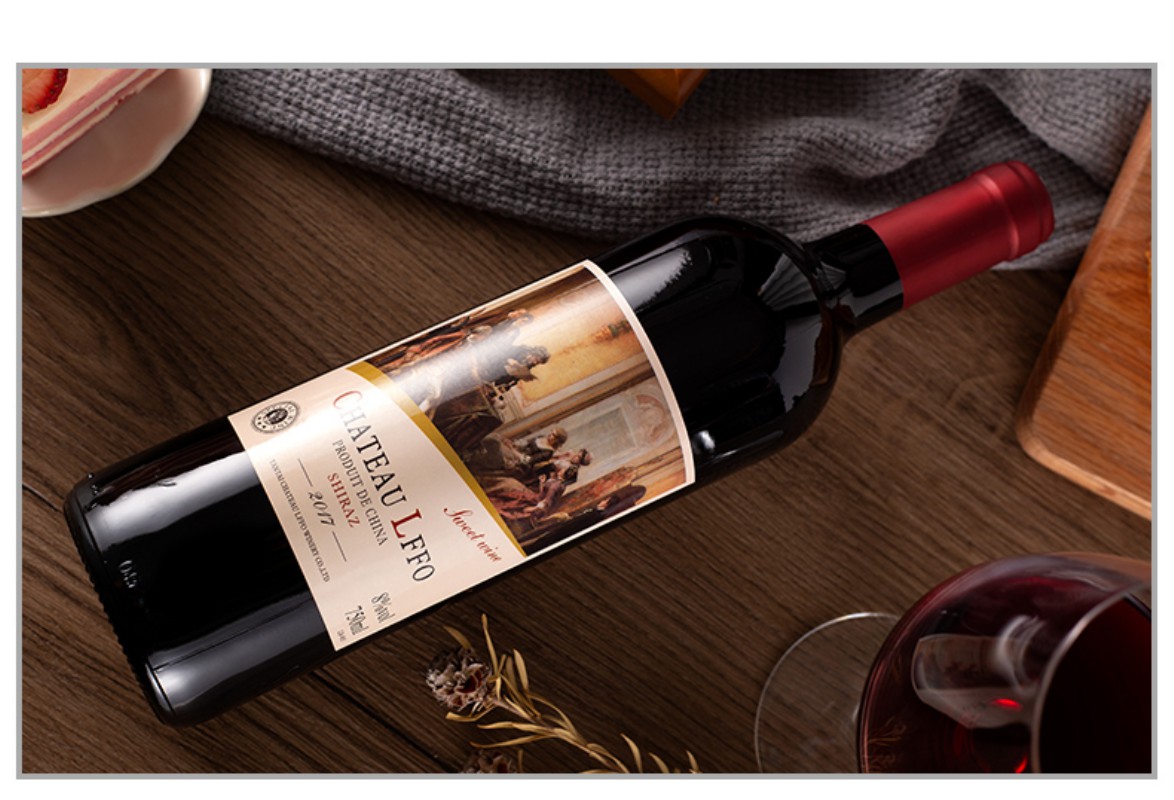
Brand Background and Regional Characteristics
Marqués de Sado winery is located in the Valencia autonomous community in eastern Spain, where the Mediterranean climate provides ideal conditions for grape cultivation. Compared to the northern Rioja region, Valencia enjoys longer sunshine hours and moderate rainfall, creating unique flavor characteristics in local grapes. The winery employs traditional winemaking techniques combined with modern equipment, ensuring each bottle reflects the essence of local terroir. For those interested in exploring similar quality wines, Marqués Count Red Wine offers an excellent comparison from local Spanish producers.
| Regional Features | Details |
|---|
| Climate Type | Mediterranean Climate |
| Annual Rainfall | 400-600mm |
| Main Varieties | Tempranillo, Garnacha |
| Production Method | Oak barrel aging 12-18 months |
Taste Profile and Tasting Experience
The greatest strength of Marqués de Sado wine lies in its balance. Upon opening, you’ll first notice rich blackberry and cherry aromas, accompanied by subtle vanilla and toasted notes. On the palate, the wine has a medium to full body with well-structured but not overpowering tannins, moderate acidity, and a long finish. Compared to the boldness of Rioja, this wine appears more elegant and approachable.
I personally recommend an optimal serving temperature of 16-18°C, paired best with grilled meats or aged cheeses. For beginners, this wine offers just the right complexity - not overwhelming while still showcasing typical Spanish red wine characteristics.
Purchase Channels and Price Analysis
Within Spain, Marqués de Sado wine is relatively affordable, typically ranging from 12-18 euros, offering excellent value for money. Main purchase channels include major supermarkets like El Corte Inglés, specialty wine shops, and various online platforms. Those exploring Spanish wines might also consider Marqués Luo Wine for comparison. Note that prices vary by vintage, and I recommend selecting vintages from the past 2-3 years to ensure both quality and reasonable pricing.
If you’re seeking a Spanish red wine suitable for daily drinking without compromising quality, Marqués de Sado is definitely worth trying. It won’t strain your budget while allowing you to truly experience the charm of Spanish wine. Interested enthusiasts can start with their classic range and gradually explore differences across various vintages and series.
