A few days ago, my friends and I traveled to the Castile region and discovered a fascinating place in a remote village. The village has a small chapel built in the 16th century, and beside the chapel lies a traditional red wine cellar. Locals told us that this Wine Chapel has a winemaking history even older than the chapel itself.
Stepping into the cellar, the air was filled with the rich aroma of oak barrels. The cellar owner is a grandfather in his 70s who told us that some of the grapevines here are over 50 years old. What surprised me most was their commitment to using the most traditional winemaking methods, adding no chemical substances whatsoever.
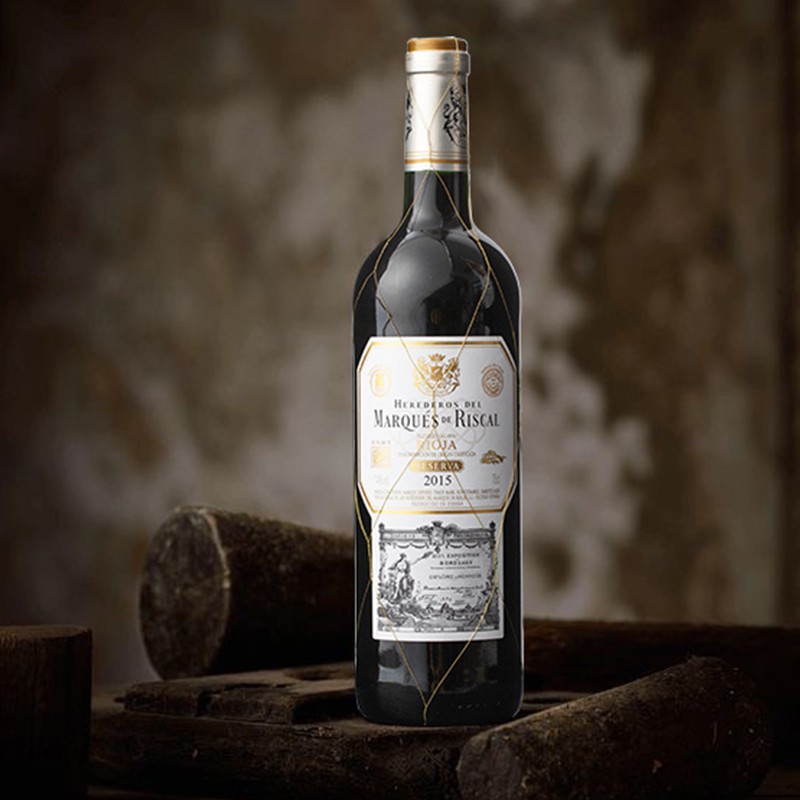
The Charm of Traditional Winemaking Craft
The grandfather showed us the entire production process. After grape harvest, they perform the traditional stomping process in the square in front of the chapel, rather than using modern methods. Although it looks primitive, this method best preserves the natural flavors of the grapes. The fermentation process takes place in the underground cellar, where constant temperatures allow the wine to mature slowly.
The red wine produced here has the following characteristics:
| Feature | Description |
|---|
| Color | Deep ruby red with high clarity |
| Aroma | Rich blackberry and vanilla notes |
| Taste | Smooth tannins with long finish |
| Alcohol | Usually between 13-14% |
Tasting Experience
That day we tasted three different vintage wines. The 2018 was relatively young with intense fruit aromas; the 2015 already showed mature complexity; and the 2012 vintage was simply an artistic masterpiece. The grandfather said that the chapel bells resonate in the cellar every day, and he believes this sacred atmosphere also adds special character to the red wine.
If you have the opportunity to visit this region, I highly recommend experiencing it. Wine from such small-scale family wineries, though limited in production, carries deep historical and cultural significance in every bottle. The prices are also reasonable - a bottle of aged red wine costs about 15-25 euros, offering much better value than commercial big brands.
