Recently while browsing the wine section at a supermarket in Madrid, I noticed more and more Spanish red wine bottles featuring various green labels. As a wine enthusiast, I became curious about what these labels actually mean and whether they’re worth the extra cost.
After some research, I discovered that Spanish green labels mainly fall into several categories. The most common is the EU organic certification label, typically featuring a green leaf pattern made of small stars. This label indicates that the wine strictly follows EU organic standards during cultivation and production, avoiding chemical pesticides and artificial additives. There are also Spain’s domestic ecological agriculture certifications and some wineries’ own environmental commitment symbols.
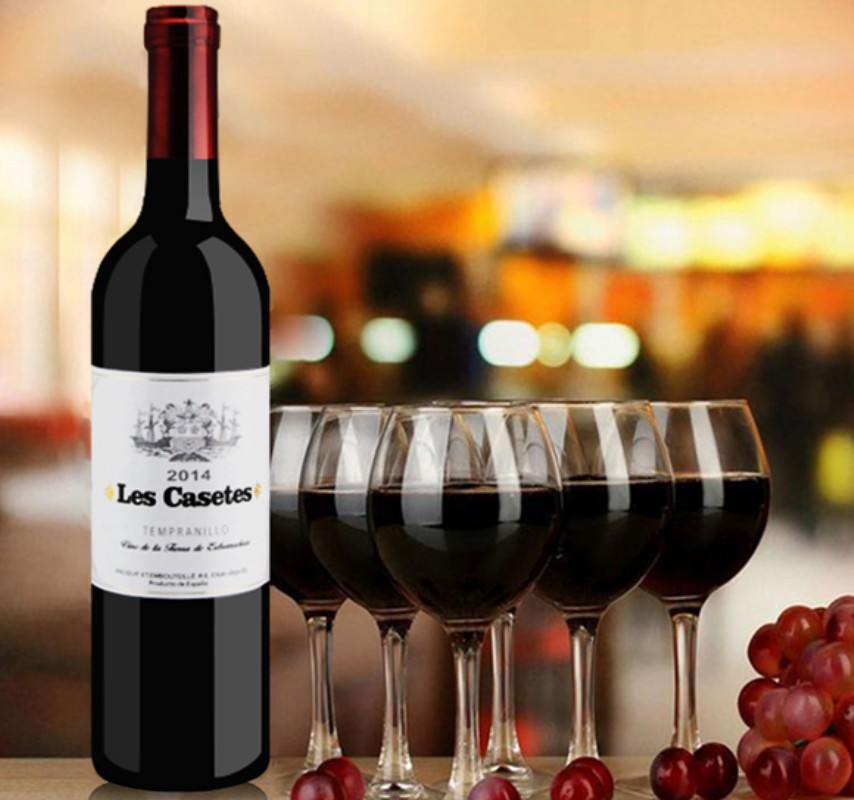
The Real Meaning Behind Green Labels
These green labels aren’t just marketing gimmicks - they represent strict certification processes. Organic certified vineyards must stop using chemical fertilizers for at least three years, and all cultivation processes undergo regular inspections. The winemaking process also has strict limitations, such as allowing much lower sulfur dioxide content than conventional wines.
I once compared organic and traditional versions from the same winery, and could indeed detect subtle differences. The organic version had a purer taste with more natural fruit aromas. Of course, this might be influenced by psychological suggestion, but the environmental benefits are certainly real, as shown in this Spanish red wine green pairing guide.
Balancing Price and Quality
Here’s a price comparison of several common green-labeled red wines I’ve compiled:
| Winery | Traditional Version Price | Organic Version Price | Price Difference |
|---|
| Marqués de Riscal | €12 | €18 | +50% |
| Torres | €15 | €22 | +47% |
| Vega Sicilia | €85 | €125 | +47% |
The table shows that green-labeled red wines are generally 30-50% more expensive than traditional versions. This price difference mainly reflects the higher costs of organic cultivation, relatively lower yields, and certification fees for Spanish green estate wines.
For average consumers, choosing green-labeled red wines depends mainly on personal values and budget. If you particularly value environmental protection and health and can afford it, these organic red wines are indeed excellent choices. However, if you only drink wine occasionally or have budget constraints, traditional Spanish red wines can still provide quality tasting experiences.
My final recommendation is: don’t let green labels completely dictate your choice - consider your taste preferences, budget, and values comprehensively. After all, the most important thing about good red wine is enjoying it.
