Recently, I’ve been browsing several wine specialty stores in Madrid and noticed that Malbec wine is becoming increasingly popular in the Spanish market. As a wine enthusiast who has been living in Spain for five years, today I want to share some observations and experiences about this classic red wine from Argentina.
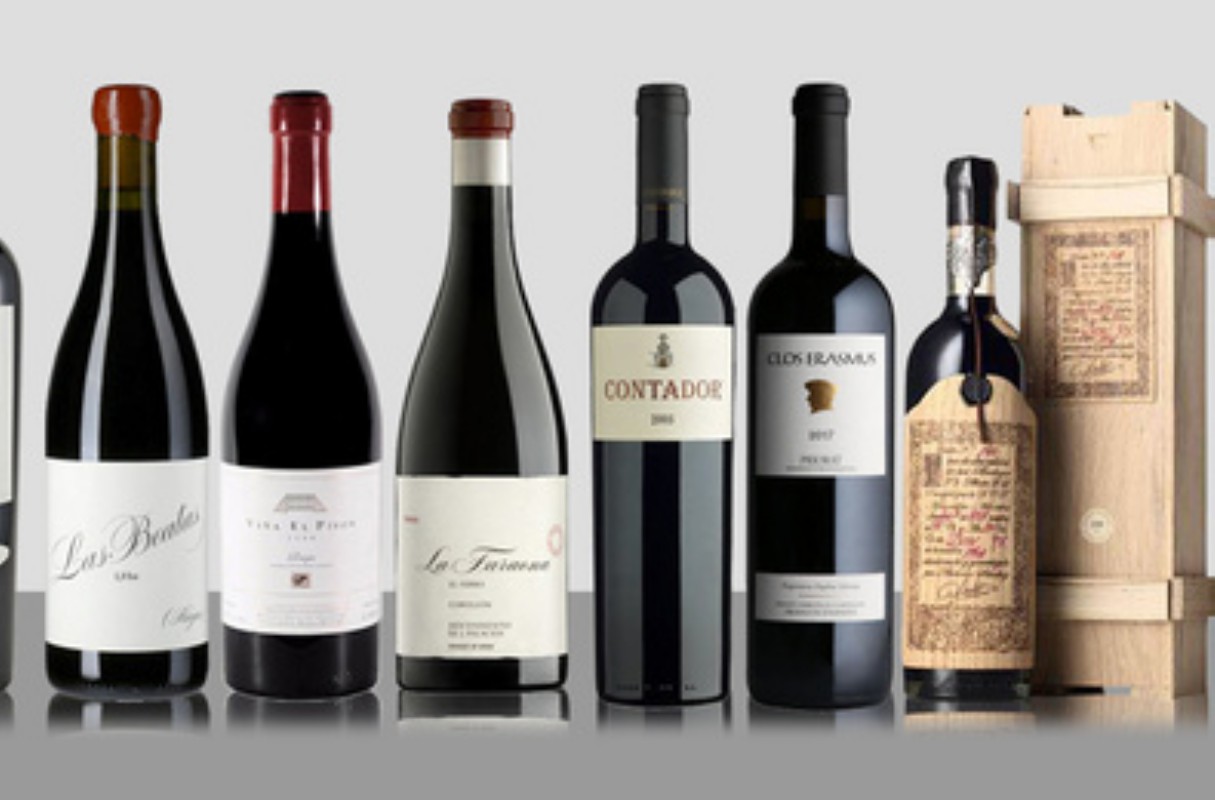
Unique Flavor Characteristics of Malbec
What makes Malbec wine most appealing is its rich yet balanced taste. Unlike the familiar Rioja or Ribera del Duero reds we know, Malbec displays a deeper purple-red color and fuller fruit aromas. Upon tasting, you can experience the intense fruit flavors of blackberry and plum, with subtle vanilla and tobacco notes in the mid-palate, finishing with a hint of chocolate sweetness. This layered complexity makes it an excellent choice for pairing with grilled meats.
Regarding temperature control, I recommend serving Malbec wine between 16-18 degrees Celsius. Too low temperatures will mask its fruit aromas, while too high will make the alcohol taste too prominent. Decanting time should be controlled between 30-60 minutes, allowing the wine to fully contact air and release richer aromatic layers.
Price Range and Purchase Recommendations
In the Spanish market, Malbec wine has a quite wide price range. Here’s a comparison of characteristics at different price points that I’ve compiled:
| Price Range | Quality Features | Recommended Occasions |
|---|
| 8-15 euros | Entry-level, fresh fruit flavors | Daily table wine |
| 15-30 euros | Medium quality, balanced structure | Dinners and gatherings |
| 30+ euros | High-end premium, high complexity | Special occasions |
Large supermarkets like El Corte Inglés and Carrefour offer good Malbec selections, usually priced between 12-25 euros. For higher quality products, I recommend visiting professional wine specialty stores, where staff typically have better knowledge of [Malbec wine] and can provide better purchasing advice.
Comparison with Spanish Local Red Wines
As a foreigner living in Spain who enjoys Malbec wine, I feel that Malbec wine brings freshness to the local wine market. Compared to traditional Tempranillo, Malbec has relatively lower acidity and softer tannins, making it more accessible to those new to red wine.
However, if you’re accustomed to the complex taste of Rioja that has been aged in oak barrels, Malbec might seem relatively simple. But this simplicity is precisely its charm—pure fruit aromas and approachable taste make it an excellent entry choice.
Food Pairing Suggestions
Malbec wine performs excellently in food pairing. Traditional Argentine grilled beef is naturally the most classic combination, but in daily Spanish life, I’ve found it pairs well with Iberian ham, roasted lamb, and even rich cheeses.
Last month when entertaining friends at home, I paired a 15-euro Malbec with traditional Spanish roasted suckling pig, and the result was surprisingly good. The wine’s fruit aromas balanced the meat’s richness, while the meat’s savory flavors highlighted the wine’s sweetness, creating a very harmonious overall pairing.
Malbec wine’s performance in the Spanish market is impressive. While it cannot completely replace the local wines we’re familiar with, as a new option for the dining table, it’s definitely worth trying. Especially for friends who want to explore different flavors, Malbec provides an excellent starting point.
