When I first arrived in Spain, I was shocked by the alcohol prices in supermarkets. A regular bottle of Estrella Galicia beer cost 1.2 euros, while a bottle of Ribera del Duero red wine next to it was only 0.8 euros. This price inversion phenomenon confuses many newcomers, so today let’s discuss the reasons behind it.
Tax Structure Differences
Spain applies different tax policies to beer and red wine. Beer must pay special excise tax of approximately 0.11 euros per liter, while red wine has much lower special excise tax rates. Additionally, beer typically bears higher VAT rates. These tax differences directly reflect in retail prices, becoming a major reason for beer’s high cost.
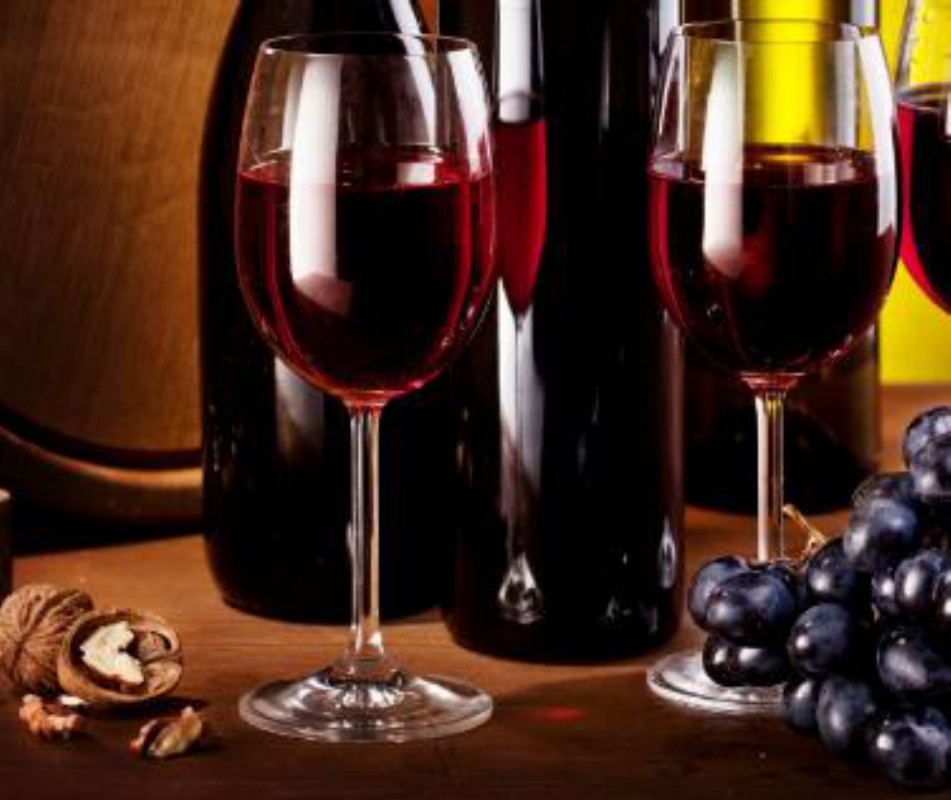
Regarding production costs, beer manufacturing is relatively complex, requiring more energy consumption and equipment investment. Multiple stages including malt fermentation, filtering, and bottling all need precise control, plus beer has a relatively short shelf life requiring higher cold chain transportation standards. In comparison, red wine production relies more on natural fermentation, has longer storage periods, and relatively lower transportation costs.
Market Supply and Demand
| Alcohol Type | Average Price | Market Share |
|---|
| Beer | 1.1 euros/bottle | 45% |
| Red Wine | 0.9 euros/bottle | 35% |
| White Wine | 1.0 euros/bottle | 20% |
Spanish consumption demand for beer continues growing, especially among younger demographics who prefer beer. This strong demand drives up market prices, while red wine, despite being a traditional premium product, has a relatively fixed consumer base with more intense price competition.
Brand premiums cannot be ignored either. Famous beer brands like San Miguel and Cruzcampo invest heavily in marketing, and these costs are ultimately passed on to consumers. Spain has numerous local wineries with intense competition, relatively low monopolization, and more transparent pricing.
For friends living in Spain, I recommend choosing supermarket private-label beers, which are typically 30% cheaper. Additionally, buying in bulk or choosing larger packages are good ways to save money. Regarding wine, local DO-level wines offer excellent value and can completely replace imported products.
