Discovering the Unique Charm of Yebre Red Wine
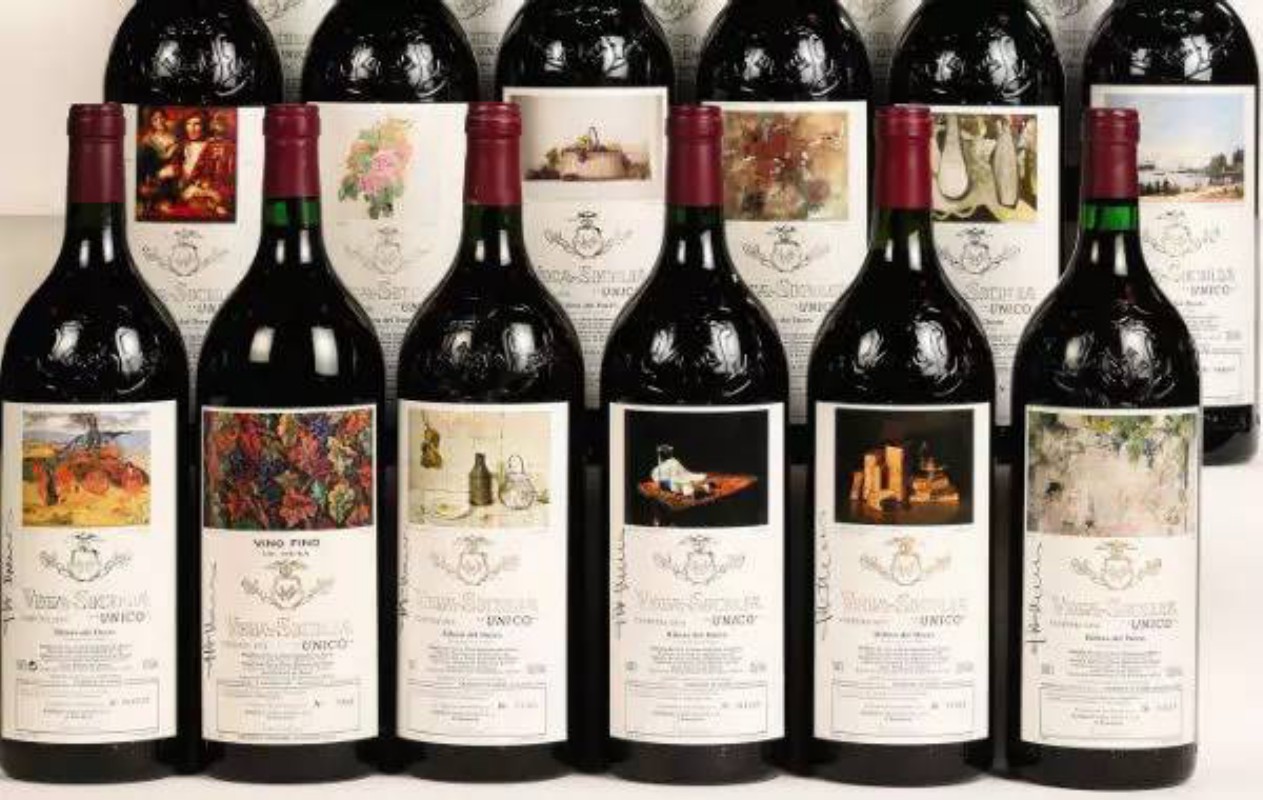
Recently, I stumbled upon Yebre red wine at a wine specialty store in Madrid and was captivated by its deep wine color and complex aroma. As a classic Spanish indigenous wine similar to Tobre red wine, Yebre red wine carries a long winemaking tradition that deserves careful appreciation from every wine enthusiast.
Regional Background and Grape Variety Characteristics
The Yebre region is located in the central plateau of Spain, with its unique geographical position creating a distinctive microclimate environment. This region primarily cultivates Tempranillo grapes, which perform exceptionally well in the local limestone soils, endowing the wine with rich mineral qualities and well-structured layered mouthfeel.
Local winemakers generally employ traditional fermentation techniques combined with modern temperature control technology, ensuring grape juice undergoes transformation under optimal conditions. It’s worth noting that many wineries still insist on hand-picking, and this meticulous attention to detail is reflected in the quality of every bottle.
Tasting Experience and Flavor Characteristics
| Tasting Dimension | Specific Performance |
|---|
| Color | Deep ruby red with purple-tinged edges |
| Aroma | Blackberry, vanilla, oak barrel spice notes |
| Mouthfeel | Medium to full body, soft tannins |
| Finish | Persistent with subtle smoky notes |
During the tasting process, I discovered that Yebre red wine’s aroma layers are extremely rich. Upon opening, the first sensation is intense black fruit aromas. As decanting time extends, vanilla and oak barrel spice notes gradually emerge, and finally, one can capture hints of leather and tobacco complexity.
Perfect Food Pairing Choices
Based on my actual tasting experience, Yebre red wine pairs perfectly with traditional Spanish cuisine. Simple salads obviously cannot match its robust body; instead, intensely flavored meat dishes like roasted lamb leg and Iberian ham create an excellent balance.
I particularly recommend pairing it with Manchego cheese, as the cheese’s creamy notes beautifully neutralize the wine’s tannin sensation while highlighting the red wine’s fruit characteristics. During dinner time, accompanied by some olives and nuts, the entire dining experience becomes more enriching.
Purchase Recommendations and Storage Tips
For those first encountering Yebre red wine, I recommend selecting vintages between 2018-2020, as wines from this period are at their optimal drinking stage. Price-wise, quality Yebre red wine typically ranges from 15-25 euros, offering excellent value for money.
Storage requires avoiding direct sunlight, with ideal storage temperatures between 12-16 degrees Celsius. Without professional wine storage, choose cool, well-ventilated basements or storage rooms. After opening, it’s recommended to consume within 2-3 days to ensure the best tasting experience.
