Cubo Tree Red Wine Spanish Region Tasting Guide
As a wine enthusiast who has lived in Spain for many years, I’d like to share some insights about Cubo Tree red wine today. During recent visits to several wineries in Madrid, I discovered this brand has quite good recognition locally.
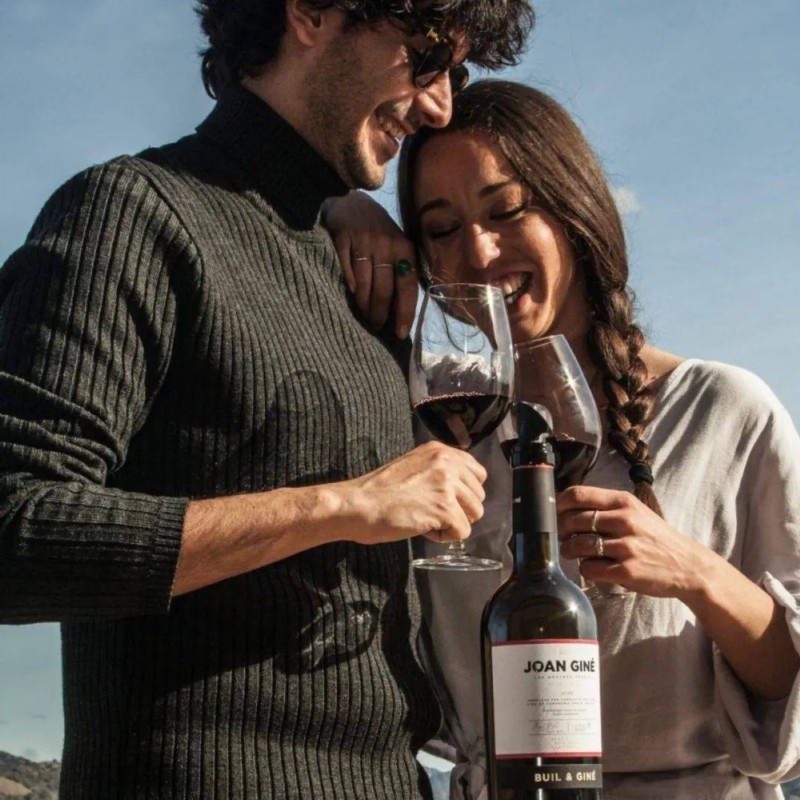
Regional Characteristics Analysis
Cubo Tree red wine is primarily produced in several renowned Spanish wine regions, each with its unique terroir conditions. From my personal tasting experience, Rioja region Cubo Tree wines offer the most balanced flavor profile, featuring typical oak barrel aromas and rich fruit notes. Meanwhile, versions from the Ribera del Duero tend to be more full-bodied with more prominent tannin structure.
| Region | Characteristics | Recommended Vintages |
|---|
| Rioja | Balanced and elegant | 2018-2020 |
| Ribera del Duero | Full-bodied and intense | 2017-2019 |
| Priorat | Strong mineral notes | 2019-2021 |
Tasting Points
When tasting Cubo Tree red wine, I recommend paying attention to several key aspects. First is decanting time, typically requiring 30-45 minutes to allow the wine to properly breathe. Second is serving temperature, ideally controlled at 16-18 degrees Celsius to best showcase its complexity.
In terms of taste profile, Cubo Tree red wine usually has a smooth entry, with obvious fruit flavor explosion in the mid-palate, and the finish carries subtle spice notes. However, this is just my personal perception, as everyone’s taste sensitivity differs, so you should judge according to your own preferences.
Purchasing Recommendations
When buying Cubo Tree red wine in Spain, I typically choose reputable wine merchants or purchase directly from wineries. Price-wise, depending on vintage and region, it ranges approximately between 15-35 euros. For first-time tasters, I recommend starting with basic Rioja region bottles, which offer relatively good value for money.
Finally, I’d like to remind everyone that wine storage is also important - avoid direct sunlight and maintain temperature between 12-15 degrees Celsius to ensure wine quality remains unaffected. I hope these insights are helpful, and welcome everyone to share their tasting experiences in the comments.
