As a wine enthusiast who has lived in Spain for several years, I’d like to share some practical experience in buying Spanish red wine today. Whether you’re a beginner just starting to explore wine or someone looking to deepen your understanding of Spanish wine culture, I hope this article will be helpful.
Introduction to Spain’s Major Red Wine Regions
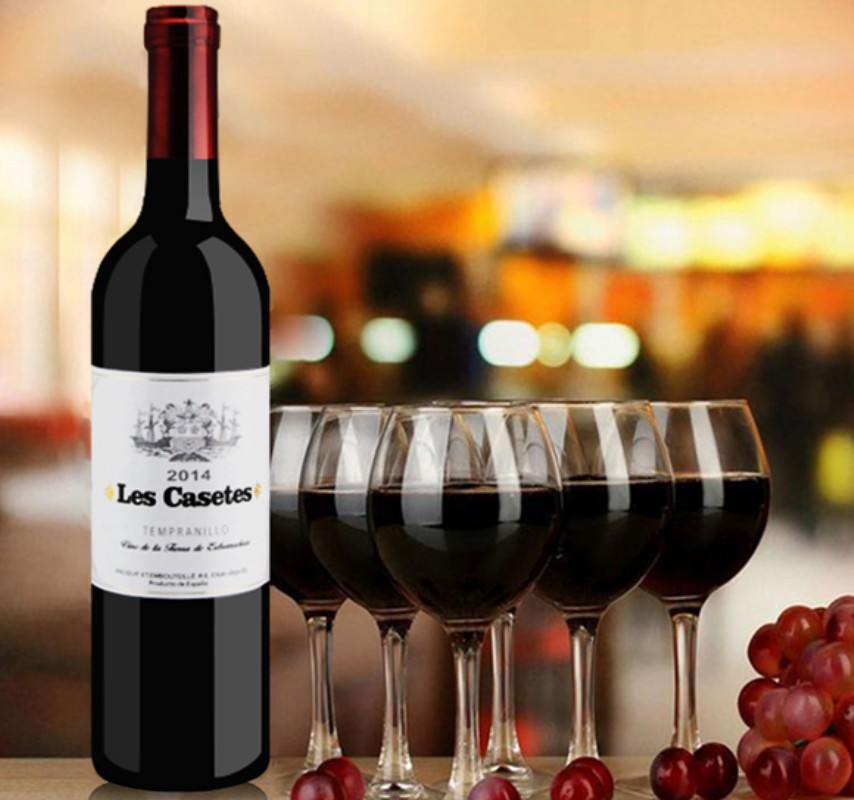
Spain, as the world’s third-largest wine producer, boasts numerous excellent regions. Rioja is one of the most famous regions, primarily featuring Tempranillo grapes, producing red wines typically characterized by rich fruit aromas and elegant tannins. Ribera del Duero is known for its more intense and robust style, with relatively higher prices but exceptional quality.
Selection Recommendations for Different Price Ranges
Based on my purchasing experience, Spanish red wines can be categorized into several price tiers:
| Price Range | Recommended Type | Characteristics |
|---|
| €5-10 | Daily Table Wine | High value, suitable for everyday drinking |
| €10-20 | Quality Wines | Well-balanced, perfect for dining |
| €20-50 | Premium Wines | High complexity, suitable for collecting |
| €50+ | Top-tier Wines | Strong aging potential, for special occasions |
For beginners, I recommend starting with the €10-20 price range. Wines in this price bracket typically showcase the characteristic features of Spanish red wines without putting too much strain on your budget.
Purchasing Channels and Tips
There are multiple channels for buying red wine in Spain. Supermarkets are the most convenient option, with large chains like El Corte Inglés and Carrefour offering decent wine sections. Specialized wine shops may have slightly higher prices, but staff are usually more knowledgeable and can provide detailed recommendations.
If you want better prices, consider purchasing directly from wineries. Many wineries offer tours and tasting services, allowing you to learn about the winemaking process while purchasing your favorite bottles at more favorable prices. While online shopping is convenient, for products like wine that require careful storage, I still prefer physical stores.
Finally, remember to check vintage labels and storage conditions when purchasing. Spanish red wines typically display classifications like Joven, Crianza, Reserva, and Gran Reserva. This information helps you better understand the wine’s style and optimal drinking period through Spanish QS wine grade guidelines and Spanish QS wine vintage analysis. I hope this experience helps everyone find the perfect Spanish red wine!
