As a wine enthusiast who has lived in Spain for several years, I’d like to share some insights about Spanish wine selection today. I’ve noticed many forum discussions about imported wines lately, so I felt it necessary to write this post for your reference.
Basic Classification of Spanish Wines
Spain, as the world’s third-largest wine producer, offers a diverse range of red wines. Based on different regions, they can be mainly classified as follows:
| Region | Characteristics | Recommended Brands |
|---|
| Rioja | Rich taste, oak barrel aged | Marqués de Riscal |
| Ribera del Duero | Intense fruit aroma, rich tannins | Vega Sicilia |
| Priorat | Mineral-rich, full-bodied | Alvaro Palacios |
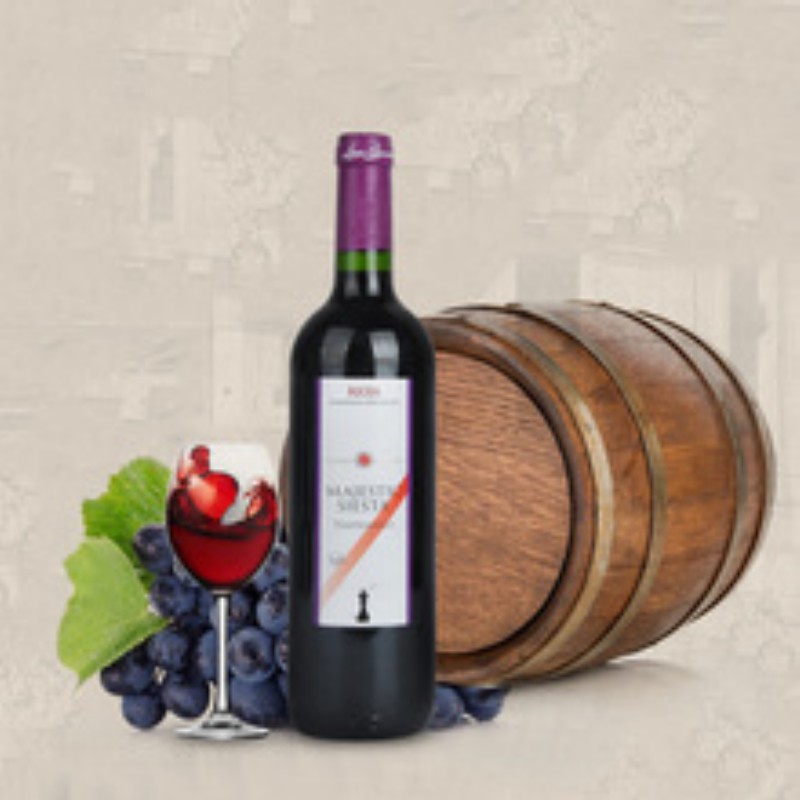
How to Identify Authentic Imported Spanish Wines
The imported wine market is mixed with authentic and counterfeit products. Here are several identification tips:
First, examine the wine label. Authentic Spanish wines will have DO or DOC grade markings on their labels, which are part of Spain’s official quality certification system for wine and spirits. Secondly, pay attention to importer information - legitimate imported wines will always display importer and distributor details on the back label.
Price is also an important reference factor. Generally speaking, genuine Spanish imported wines cannot be too cheap due to transportation costs and tariffs. If you see “imported” Spanish wines priced at just a few dozen euros, you can basically assume they are counterfeit or private label products.
Cost-Effective Spanish Wine Recommendations
Based on my wine tasting experience, I recommend several reasonably priced Spanish wines:
Marqués de Cáceres Crianza - This is a wine from the Rioja region featured in Spanish wines and spirits, with balanced taste and rich fruit aroma, priced between 200-300 yuan, perfect for daily consumption.
Campo Viejo Reserva - Also from Rioja, aged in oak barrels with smooth tannins and a long finish, making it an excellent choice for dinner parties.
I’ve tried some cheap so-called “imported” wines before, and the taste was truly disappointing. I still recommend choosing branded authentic products.
Finally, I remind everyone to purchase imported wines through legitimate channels, such as large supermarkets, professional wine stores, or qualified online shops. Although prices might be higher, at least you can guarantee quality and after-sales service. I hope this post helps friends who are planning to buy Spanish wines!
