Recently considering importing some Spanish red wine domestically for local sales, but wasn’t quite familiar with the specific tariff policies. After thorough research and consultation, I’ve compiled some practical information to share.
Basic Tariff Structure
According to the latest regulations from Spain’s Customs Authority, red wine imports primarily involve three types of taxes: tariffs, VAT, and special excise taxes. For red wines from non-EU countries, the standard tariff rate is €0.32 per liter, though actual rates may vary based on alcohol content and country of origin. It’s particularly important to note that if the wine exceeds 15% alcohol content, it will be taxed according to spirits standards.
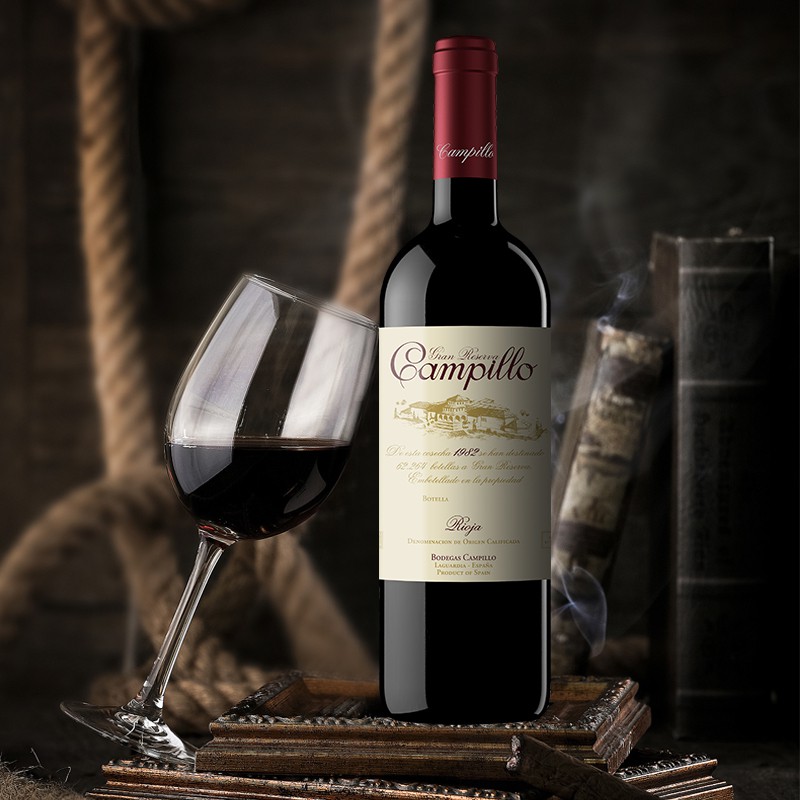
Tax Rate Comparison for Different Wine Types
| Wine Type | Alcohol Content | Tariff | VAT |
|---|
| Dry Red Wine | 12-14% | €0.32 | 21% |
| Sweet Red Wine | 11-13% | €0.26 | 21% |
| Fortified Red Wine | 15-20% | €0.45 | 21% |
| Sparkling Red Wine | 11-12.5% | €0.29 | 21% |
In practice, I’ve found that customs is very strict about wine label information. All imported red wines must provide complete certificates of origin and alcohol content analysis reports. Additionally, if a single import exceeds 1,000 liters, you need to apply for an import permit from local alcohol management authorities in advance.
Declaration Requirements
When filing customs declarations, I recommend preparing the following documents in advance: commercial invoices, packing lists, certificates of origin, health certificates, and wine analysis reports. Previously heard that declaration procedures could be simplified, but practical experience shows that any error in the process can cause Spain red wine import tariff clearance delays.
Helpful tip: I recommend finding an experienced customs broker to assist with the process. While this adds some agency fees, it helps avoid unnecessary troubles and penalty risks.
