Having lived in Madrid for nearly ten years, every summer when mangoes ripen, I can’t help but recall the amazing first taste of Spanish mango wine. This traditional fruit wine is extremely popular in the Andalusia region, where the sweet mango aroma combined with the rich depth of red wine creates the perfect summer beverage. Today I’ll share the making method with everyone.
Ingredient Preparation
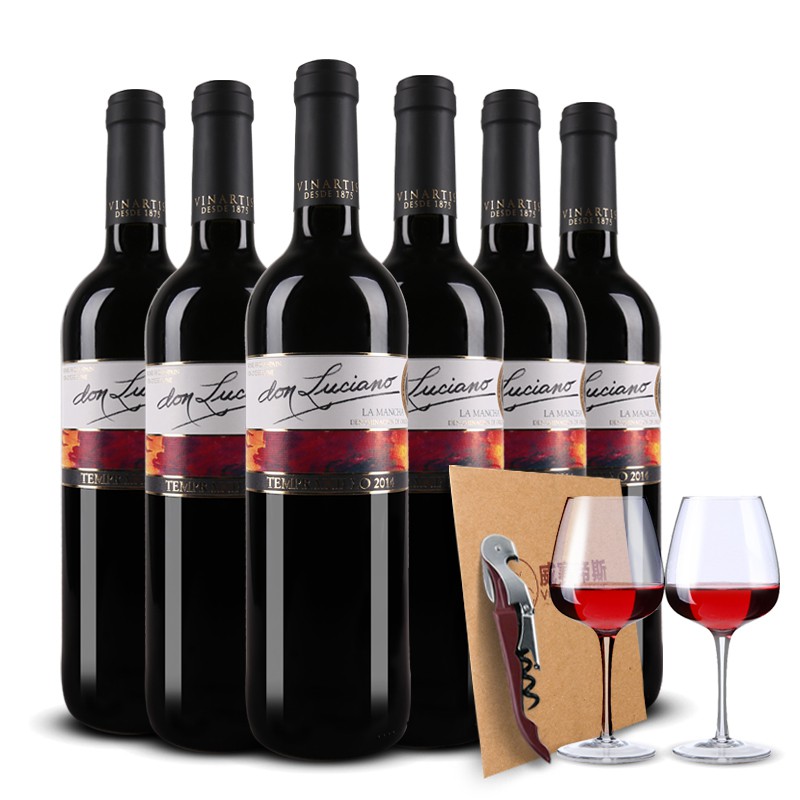
The materials needed for making mango wine are actually quite simple. Fresh mangoes 2kg, red wine 1.5 liters, white sugar 200g, lemon juice 50ml, yeast powder 5g.
Special reminder: Mangoes must be selected with appropriate ripeness - too green will affect sweetness, too ripe will cause over-fermentation. I usually go to Madrid’s Mercado de San Miguel for selection, where the mango quality is excellent.
First peel and pit the mangoes, cut into small pieces and place in glass containers. Then pour in the red wine, ensuring complete coverage of mango pieces. Next add white sugar and lemon juice, gently stir with wooden spoon until sugar completely dissolves. Finally sprinkle in yeast powder and stir evenly again.
| Fermentation Stage | Duration | Temperature | Notes |
|---|
| Primary Fermentation | 7-10 days | 18-22°C | Stir twice daily |
| Secondary Fermentation | 15-20 days | 15-18°C | Filter mango pulp |
| Clarification | 30 days | 12-15°C | Let settle undisturbed |
The most important aspects during fermentation are temperature control and sanitary conditions. Spanish summers are quite hot, so I usually place fermentation containers in the basement or cooler areas. Remember to cover the container opening with gauze - this allows breathing while preventing dust.
Storage and Tasting
After completing fermentation, use fine gauze to filter out all solid residue, then transfer the clarified mango wine into sterilized glass bottles. Seal and store in a cool, dry place, aging for at least one month before opening to taste. Alcohol content is generally between 8-12%, with a sweet and smooth taste and rich mango aroma.
Personal experience: The first attempt might feel nerve-wracking, but actually as long as you master fermentation temperature and timing, success is almost guaranteed. I now brew several bottles every summer to share with friends, and everyone loves this unique Spanish flavor.
Making mango wine not only lets us taste authentic Spanish flavors, but also provides a wonderful cultural experience. I hope this making method helps friends who want to try it - feel free to leave comments below for discussion!
