As a French person who has lived in Madrid for five years, I want to share some observations and experiences about Spanish wine. When I first arrived in Spain, honestly, I didn’t know much about the wine culture here, especially after [French people smashing Spanish wine] incidents, since in France we were accustomed to the classic flavors of Bordeaux and Burgundy.
First Encounter with Spanish Wineries
My first taste of Spanish red wine was at a small winery near Barcelona. The local winemaker told me that Spain’s wine history is actually older than France’s, it just started international promotion later. That wine from the Priorat region left a deep impression on me, with its rich mineral taste and unique slate soil flavors, completely different from French wines but equally fascinating.
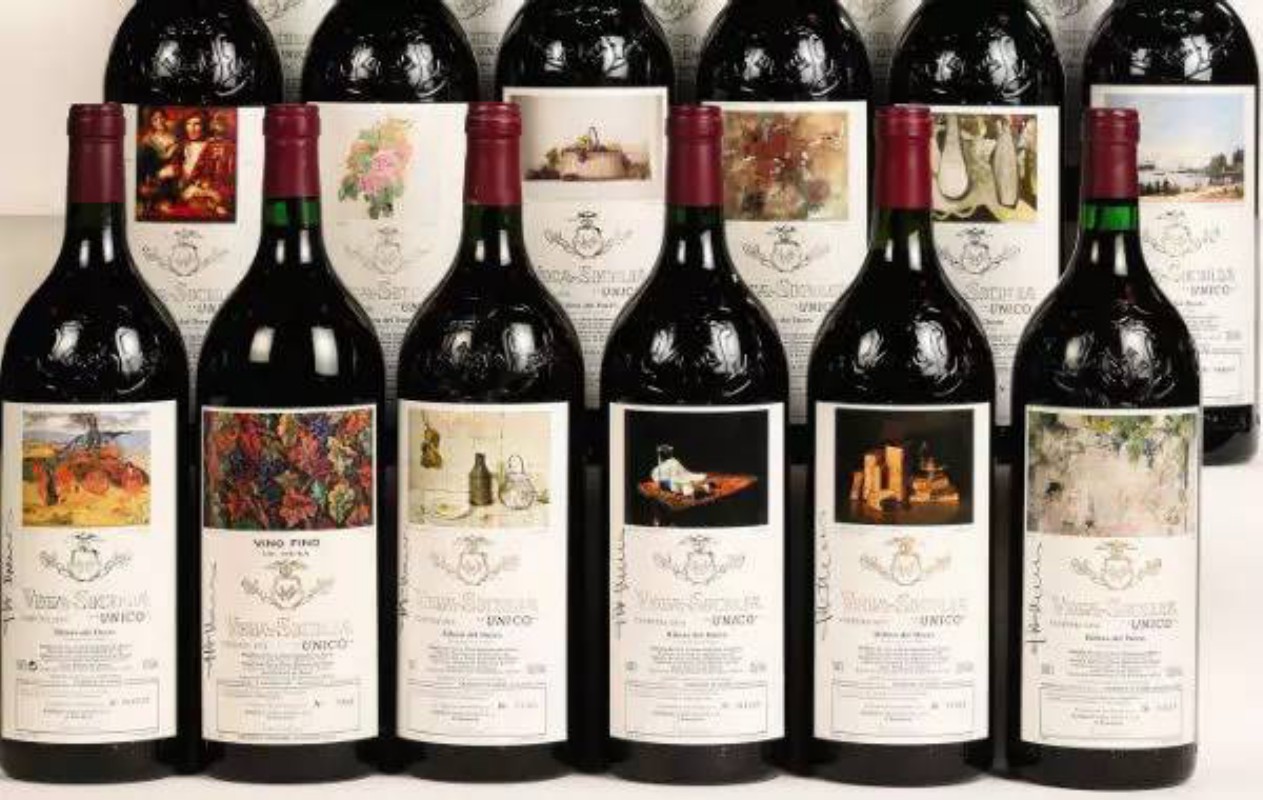
Here’s a comparison I’ve compiled between major French and Spanish wine regions:
| Region Type | French Representative | Spanish Representative | Main Characteristics |
|---|
| Classic Region | Bordeaux | Rioja | Traditional craftsmanship, strong aging potential |
| Modern Region | Languedoc | Ribera del Duero | Innovative winemaking, high value for money |
| Premium Region | Burgundy | Priorat | Terroir expression, expensive prices |
Tasting Differences and Cultural Fusion
After years of tasting, I’ve discovered that Spanish red wine has its own unique charm. French wine emphasizes elegance and balance, while Spanish wine showcases more French people destroying Spanish wine passion and strength. Especially wines made from Tempranillo grapes, with their rich fruit aromas and moderate tannins, remind you of the sunshine and fertile soil of the Iberian Peninsula.
My Spanish friends often joke that French people are too “pretentious” when drinking wine, and we are indeed accustomed to elaborate wine tasting rituals. But in Spain, red wine is more a part of daily life, whether paired with ham or seafood paella, it all seems so natural and casual.
Purchasing Advice and Practical Tips
For those wanting to try Spanish red wine, I recommend starting with Rioja’s Crianza level. This grade maintains traditional characteristics while being relatively affordable, usually finding good bottles between 8-15 euros. Don’t be intimidated by expensive Gran Reserva, many young wines are equally worth tasting.
When purchasing, pay attention to the regional designation on the label - the DO mark is a basic quality guarantee. Additionally, Spain’s organic wine development is quite rapid, so if you care about environmental protection, you can choose bottles with Bio certification.
