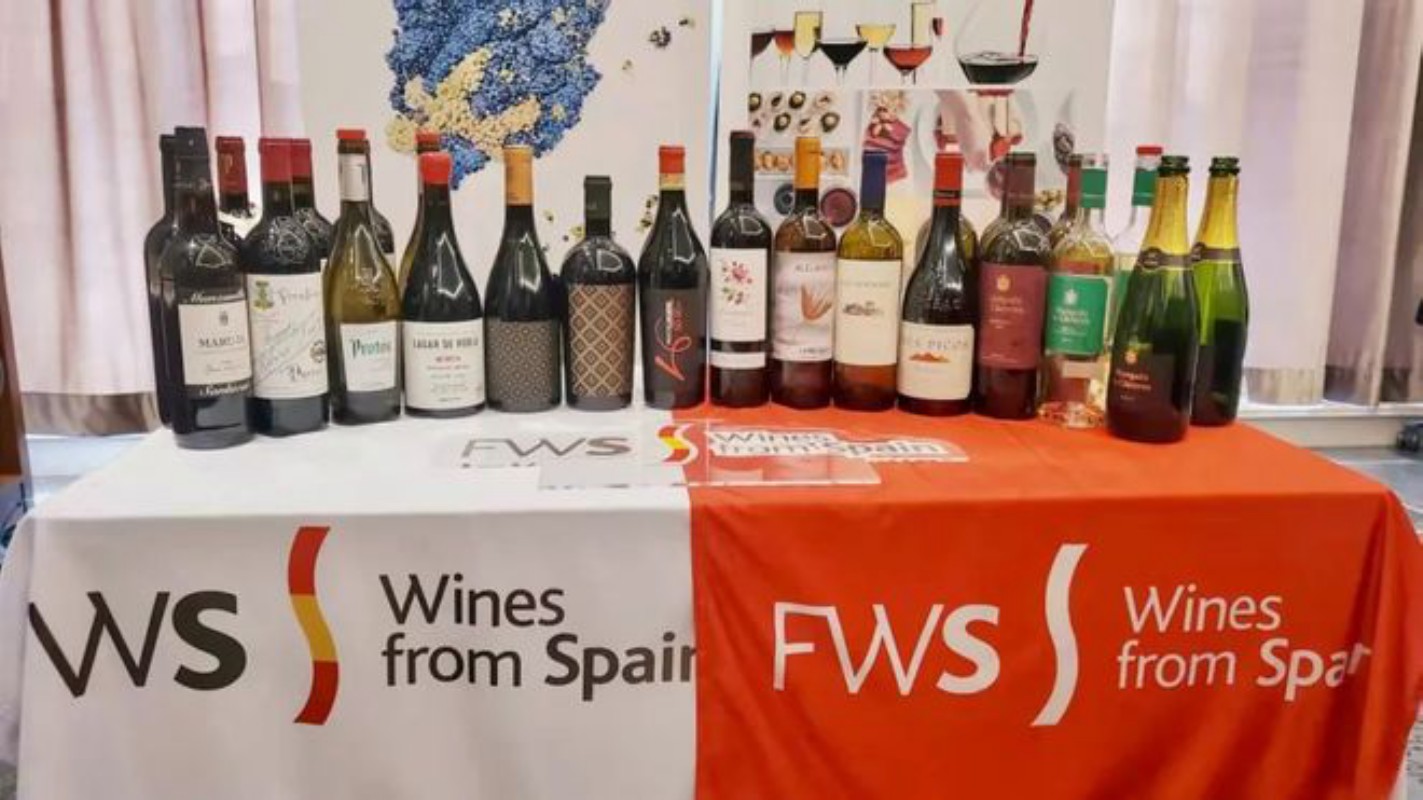
Recently at a winery tasting event in Madrid, I was shocked to see a bottle of VDLT red wine priced at over 200 euros. Having lived in Spain for several years with some knowledge of local wines, this price tag genuinely sparked my curiosity. After researching extensively, I discovered there are multiple compelling reasons behind such pricing.
Geographic Advantages Determine Base Quality
Spanish VDLT red wines primarily originate from specific premium regions like Rioja and Ribera del Duero. These regions feature unique soil composition and climate conditions, with limestone-rich soils and Mediterranean climate providing exceptional growing environments for grapes. I previously visited the Rioja region, where vineyards are established on elevated hillsides with significant day-night temperature variations. This natural condition allows grapes to accumulate higher sugar content and phenolic compounds.
Traditional Winemaking Processes Incur High Costs
VDLT red wine production involves complex processes, with many wineries still maintaining traditional handcrafted methods. From grape harvesting to final bottling, each stage requires substantial manual labor. Particularly during fermentation and aging phases, premium oak barrels are essential - mostly sourced from France or America, with individual barrels costing several hundred euros. These oak barrels need replacement after several uses, invisibly increasing production costs.
Here’s a comparison of aging periods for different VDLT red wine grades:
| Grade | Oak Barrel Aging | Bottle Aging | Total Aging Time |
|---|
| Young Wine | 6 months | None | 6 months |
| Reserve | 12 months | 24 months | 36 months |
| Gran Reserve | 18 months | 42 months | 60 months |
Aging Duration Directly Impacts Value
This might be the most crucial factor. Authentic high-end VDLT red wines require at least 3-5 years, with some needing over 10 years of aging. Throughout this process, wineries must bear storage costs while facing various risks including wine evaporation and quality changes. I once toured a winery’s underground cellar, observing neatly arranged barrels marked with different vintages. The winery owner explained that these wines incur significant annual maintenance costs before reaching market.
Brand Value and Market Positioning
VDLT wineries with decades or centuries of development have established brand value as a significant component of product pricing. These established wineries enjoy high international reputation, with consumers willing to pay premium prices for brand prestige. Combined with limited production, market scarcity principles further drive prices upward. In Spain’s upscale restaurants, a bottle of top-tier VDLT red wine often symbolizes status and refined taste.
VDLT red wine’s high pricing is thoroughly justified. From natural conditions to labor costs, from time investment to brand value, each element reflects the proportional relationship between quality and price. For ordinary consumers like those interested in Spanish Beef Wine Pricing, we can choose mid-range VDLT red wines with better value propositions while still experiencing the unique charm of Spanish wines.
