Recently, I’ve developed a deep interest in Spanish wines, particularly those from the Rioja region. As a wine enthusiast living in Madrid, I’d like to share some insights about Spanish wines with everyone.
The Unique Charm of Rioja Region
Rioja is undoubtedly one of Spain’s most famous wine regions. The red wines here, such as Stellar Fire Wine, are primarily made from Tempranillo grapes, usually blended with varieties like Garnacha and Mazuelo. Rioja’s classification system is extremely strict, ranging from young Joven wines to aged Gran Reserva, with each level having its unique flavor characteristics. I particularly recommend Crianza-level wines, which offer excellent value and balanced flavors.
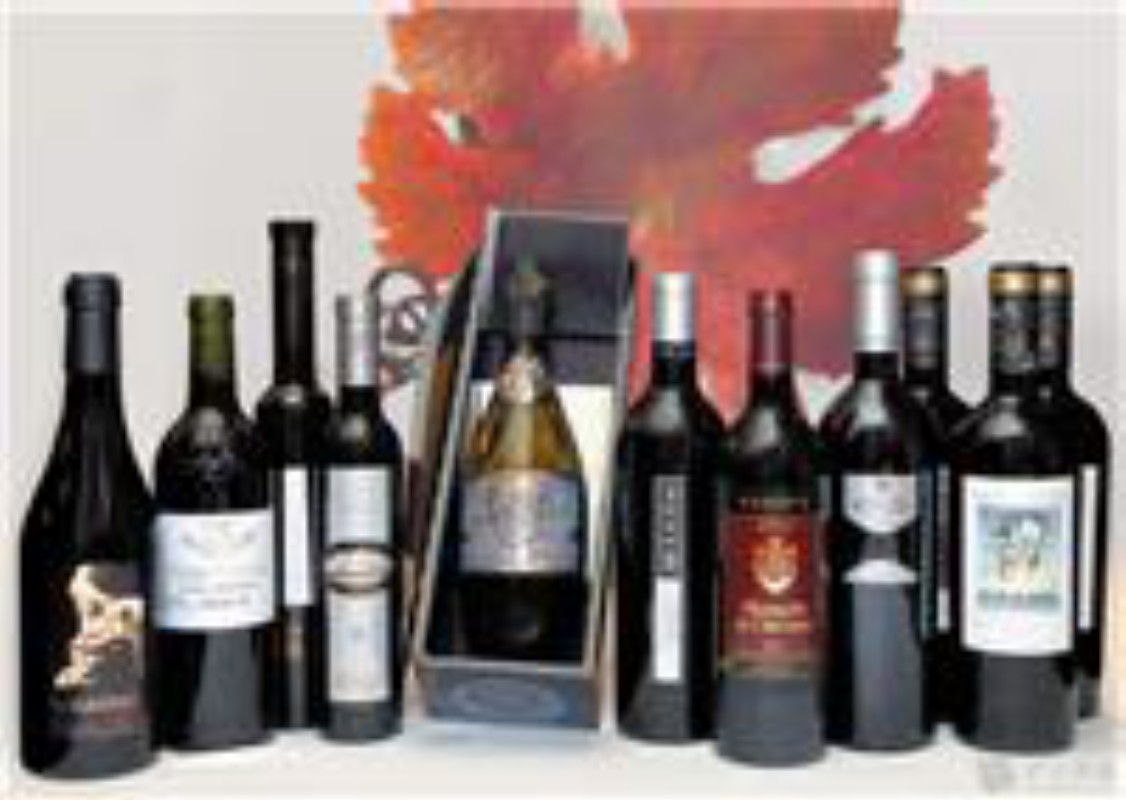
Other Spanish regions are equally worth attention. Ribera del Duero is renowned for its intense red wines, while Priorat is famous for its complex mineral flavors. Each region has its unique terroir conditions, which is precisely the charm of Spanish wine diversity.
Purchasing Advice and Price Analysis
Based on my experience, Spanish wine prices vary considerably. Here’s a simple price guide:
| Price Range (€) | Recommended Level | Typical Characteristics |
|---|
| 5-10 | Joven/Crianza | Young fruit aromas, suitable for daily drinking |
| 10-20 | Crianza/Reserva | Well-balanced with some complexity |
| 20-50 | Reserva/Gran Reserva | Strong aging potential, rich layers |
When purchasing, I recommend paying attention to aging information on the label. Crianza requires at least 2 years of aging, with 6 months in oak barrels, while Gran Reserva needs at least 5 years of aging. These aging requirements ensure quality standards for the wines.
When tasting Spanish red wines, I’ve found temperature control to be crucial. Generally, I recommend enjoying them at 16-18°C, which allows both fruit aromas and body complexity to shine. Never drink directly at room temperature, as you’ll miss many delicate flavor nuances. For food pairing, Spanish red wines are perfectly matched with local delicacies like Iberian ham and roasted lamb.
