As a wine enthusiast who has lived in Spain for many years, I have always been fascinated by the marketing strategies of local wine brands. Recently, I attended several winery tasting events and gained deeper insights into how Spanish wine brands stand out in fierce international competition.
The Perfect Fusion of Tradition and Modernity
The greatest advantage of Spanish wine brands lies in their ability to skillfully combine traditional winemaking craftsmanship with modern marketing concepts. Century-old brands like Torres and Marqués de Riscal maintain their family heritage quality while continuously innovating their marketing approaches. They showcase their winemaking processes through social media, allowing consumers to experience the brand’s historical depth and craftsmanship spirit.
New Trends in Digital Marketing
In recent years, Spanish wine brands have made significant investments in digital marketing. Many wineries have developed their own apps, offering Spanish wine marketing virtual tasting experiences. Consumers can scan QR codes on wine labels to learn about wine brand stories, real-time vineyard conditions, winemaker stories, and even participate in online tastings. This interactive marketing significantly enhances brand-consumer engagement.
| Marketing Channel | Investment Ratio | Effectiveness | |
|---|
| Social Media | 35% | High Engagement |
| Offline Events | 40% | Direct Conversion |
| Digital Platforms | 25% | Long-term Value |
Brand Value of Geographical Indications
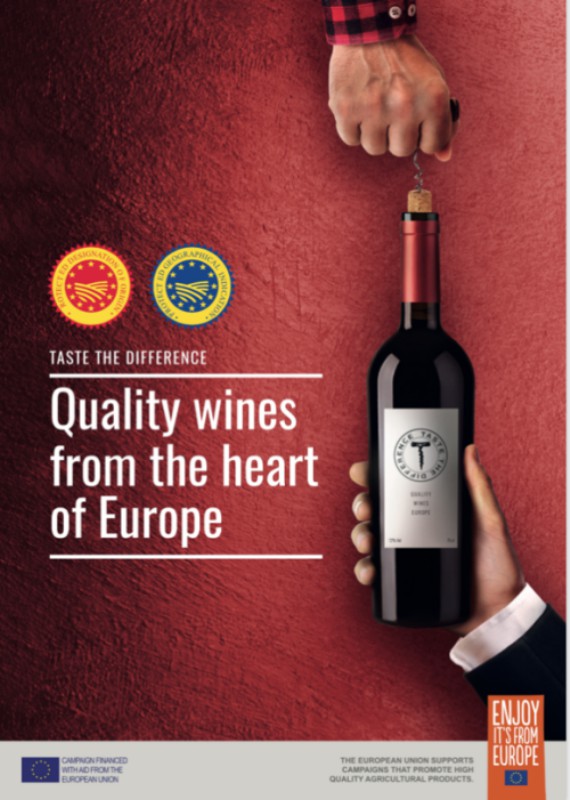
Spanish wine brands excel at utilizing geographical origin designations for marketing. Rioja, Ribera del Duero and other regional names are powerful brand symbols in themselves. Many wineries position regional stories as their marketing core, building emotional connections by telling stories of land, climate, and tradition. Consumers purchase not just a bottle of wine, but a lifestyle and cultural experience.
Experiential Marketing Becomes Mainstream
Today’s Spanish wine brands increasingly focus on experiential marketing. Many wineries open for visits, offering complete experiences from grape harvesting to winemaking. Some even provide accommodation services, allowing visitors to spend nights in vineyards and deeply experience winery culture. This immersive experience not only increases sales but, more importantly, cultivates loyal brand advocates.
The success of Spanish wine brand marketing lies in finding the balance between tradition and innovation. They maintain high product quality and cultural content while keeping pace with digital-age marketing trends. The era of competing solely on price is over, and the competition now focuses on brand stories, consumer experiences, and emotional connections. As consumers, we can also enjoy richer wine cultural experiences from this evolution.
