The Unique Charm of Spanish Red Wines
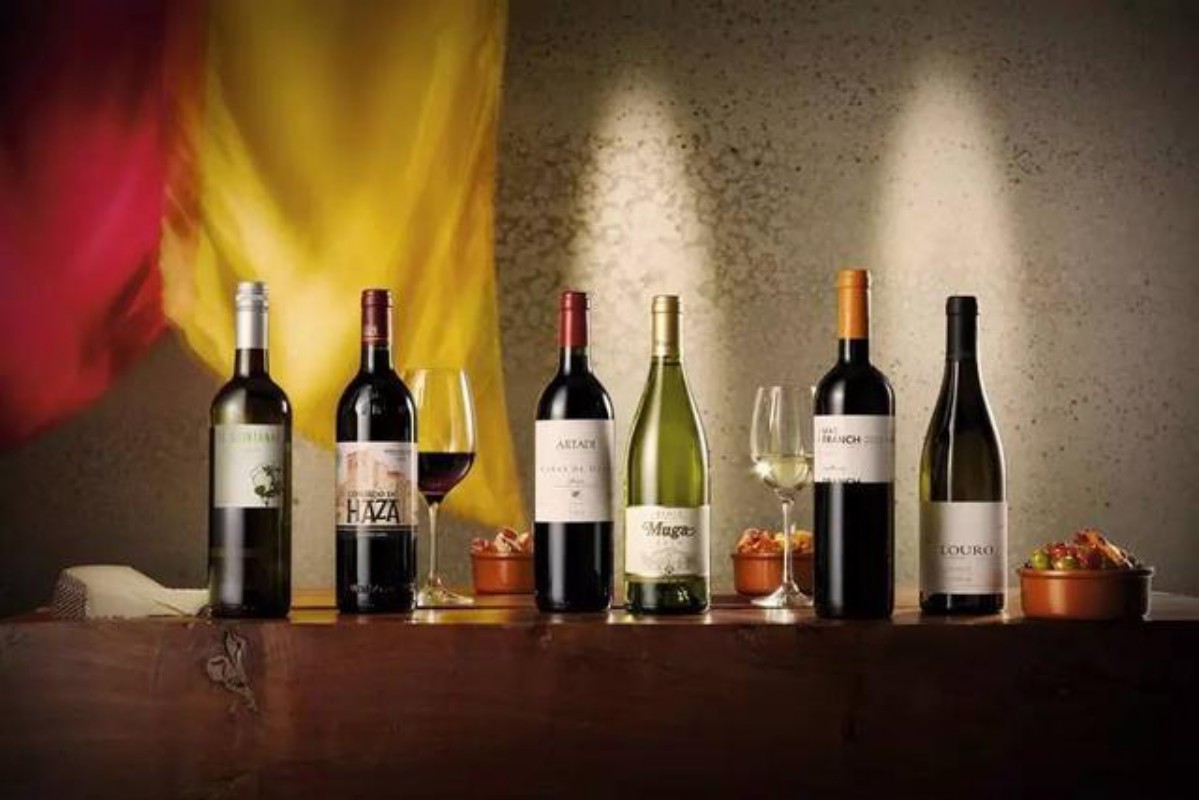
As a red wine enthusiast who has lived in Spain for many years, I want to share some insights about Spanish red wines with you. Spain, as the world’s third-largest wine producer, boasts numerous quality regions, with each bottle of Tree of Life red wine carrying unique terroir and cultural heritage.
Regional Characteristics Comparison
| Region | Main Grape Varieties | Flavor Profile | Price Range |
|---|
| Rioja | Tempranillo | Rich and complex, oak barrel notes | 15-50 euros |
| Ribera del Duero | Tempranillo | Powerful, rich tannins | 20-80 euros |
| Catalonia | Garnacha | Fruity, balanced acidity | 10-30 euros |
Tasting Insights and Recommendations
In my wine tasting experience, Rioja region red wines always leave a deep impression on me. Particularly those Reserva-level wines aged in oak barrels for extended periods, where you can sense the complex aromas of vanilla, smoke, and leather upon tasting. Ribera del Duero wines are more full-bodied, perfect for pairing with grilled meats and other robust dishes.
For beginners, I recommend starting with moderately priced young wines. These wines typically feature prominent fruit flavors and relatively soft tannins, making them more approachable. As your tasting experience grows, you can gradually explore more complex aged wines.
Practical Pairing Recommendations
Spanish red wines paired with local cuisine create perfect harmony. Traditional French pairings don’t entirely apply here; instead, you should follow local pairing principles. Iberian ham with Rioja red wine is a classic combination, while paella pairs better with lighter Catalonian red wines.
In everyday dining, I’ve found that Spanish red wines integrate beautifully with Asian cuisine. Particularly with grilled foods, a glass of fruit-forward Spanish red wine won’t mask the food’s natural flavors while adding dining pleasure. When purchasing, I recommend choosing wines with DO or DOCa certification for guaranteed quality.
