During a recent visit to a boutique winery in Madrid, the guide mentioned an intriguing topic—the selection criteria for Spanish royal wines. As someone deeply interested in Spanish wine culture, I decided to delve deeper into this subject and discovered many surprising details.
The Spanish royal family’s taste for wine dates back several centuries. Current King Felipe VI continues this tradition, with the royal palace cellar housing carefully selected fine wines from the nation’s premier wine regions. According to reliable sources, the royal family particularly favors wines from the Rioja and Ribera del Duero regions, which have gained additional prestige through this royal endorsement.
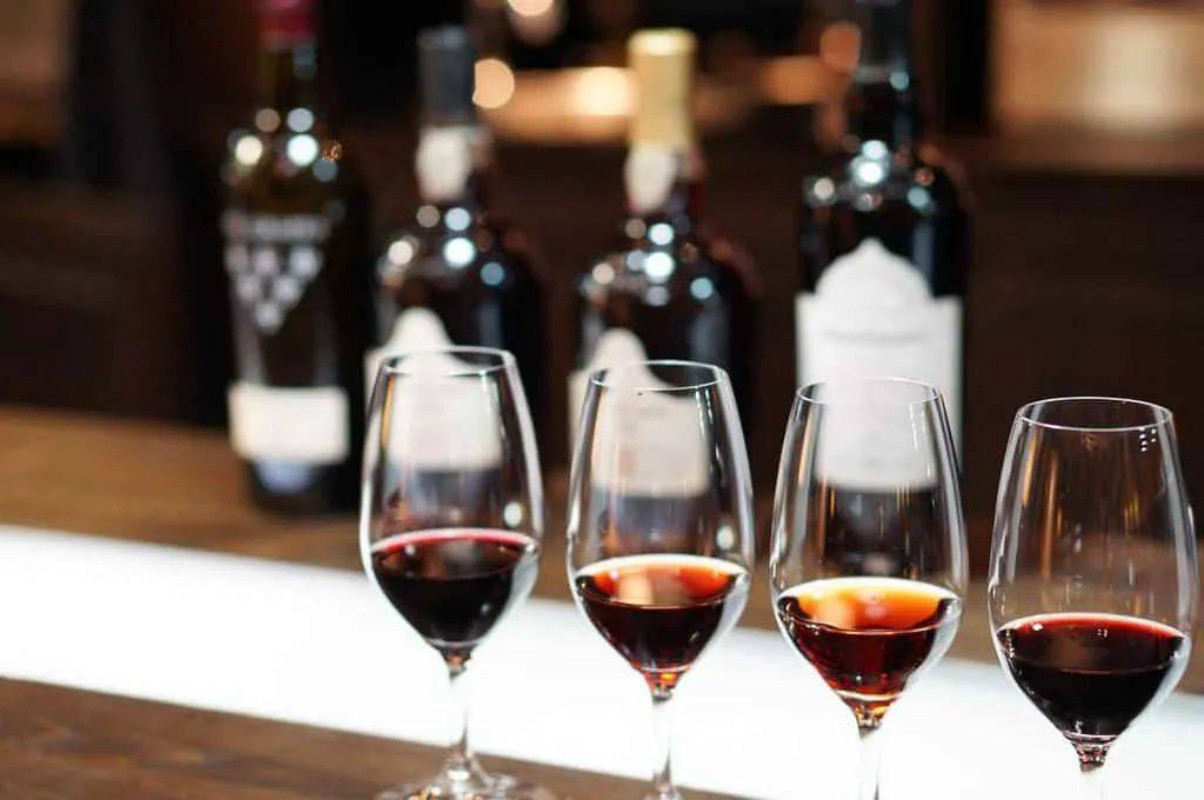
Rioja: Perfect Harmony of Tradition and Modernity
Rioja region wines are renowned for their complex layering and elegant aging potential. The royal cellar’s Rioja selections primarily come from several historic wineries, including established names like Marqués de Riscal and López de Heredia. These wineries not only boast over a century of winemaking history, but more importantly, they continuously innovate while maintaining traditional craftsmanship, producing wines that preserve classic flavors while adapting to modern palate preferences.
The Ribera del Duero region is equally favored by the royal family. Wines from this region, predominantly made from Tempranillo grapes, feature full body and excellent tannin structure. Premium wineries like Vega Sicilia produce wines dubbed “Spain’s Lafite,” enjoying exceptional reputation in international markets.
Here’s a comparison of several common types of Spanish royal wines:
| Region | Main Grape Varieties | Flavor Profile | Aging Potential |
|---|
| Rioja | Tempranillo, Garnacha | Elegant balance, rich fruit aromas | 10-20 years |
| Ribera del Duero | Tempranillo | Full-bodied, strong tannins | 15-25 years |
| Priorat | Garnacha, Cariñena | Strong minerality, high complexity | 8-15 years |
Notably, when selecting royal wines, the Spanish royal family considers not only quality but also the wineries’ commitment to sustainable development. In recent years, traditional large-scale production methods have gradually been replaced by boutique, environmentally-friendly winemaking approaches. Many royally-endorsed wineries now employ organic cultivation methods to reduce environmental impact, reflecting the modern royal family’s commitment to environmental responsibility.
For ordinary consumers like us, while we cannot directly purchase royal-exclusive wines, we can choose other series from the same wineries. These wines typically employ the same production techniques and quality standards but at more accessible prices. In Spain’s supermarkets and specialty wine shops, you can find these quality wines, making them excellent entry points for understanding Spanish wine culture.
