As a red wine enthusiast who has lived in Spain for many years, I want to share some practical knowledge about Spanish red wines with you. Spain, as the world’s third-largest wine producer, boasts rich grape varieties and unique winemaking techniques that are absolutely worth exploring in depth. For those interested in Spanish red wine purchasing, this comprehensive guide will prove invaluable.
Major Wine Regions
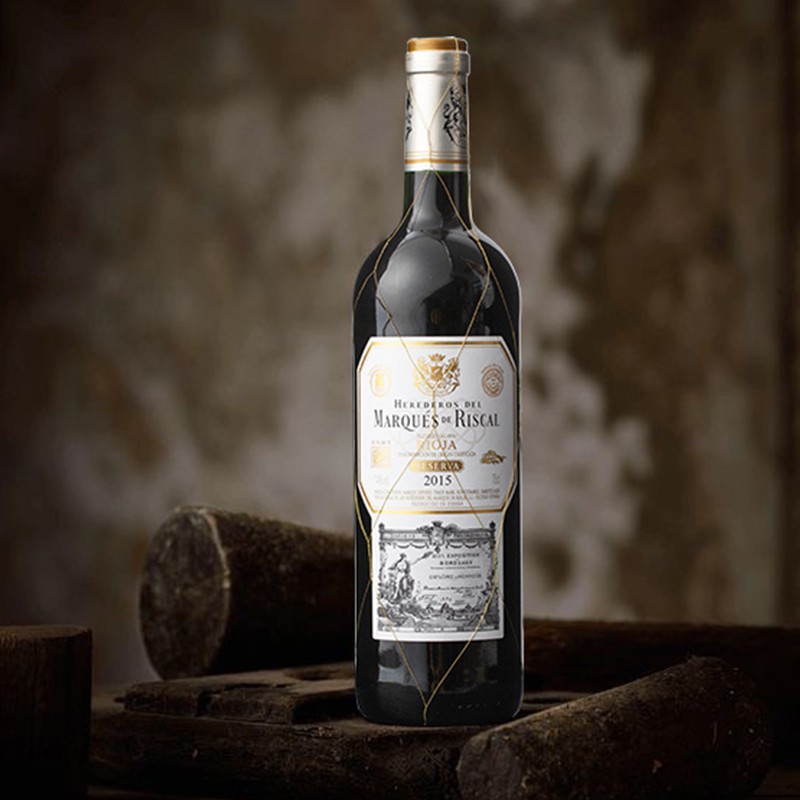
Spain has several renowned red wine regions, each with its own distinctive characteristics. Rioja is undoubtedly the most famous, primarily using Tempranillo grapes to produce wines with full body and smooth tannins. Ribera del Duero is known for its more intense style, typically with higher alcohol content. Catalonia’s Priorat region, though small in area, produces extremely high-quality red wines that command premium prices.
Grape Variety Characteristics
Understanding grape varieties is crucial for wine selection. Tempranillo is Spain’s signature variety, highly adaptable, producing wines typically featuring red fruit aromas and moderate acidity. Garnacha offers more intense fruit flavors, suitable for crafting young, approachable red wines. Monastrell excels in southeastern regions, creating wines with deep color and robust tannins.
| Grape Variety | Main Region | Flavor Profile | Suitable Occasion |
|---|
| Tempranillo | Rioja, Ribera del Duero | Red fruit aroma, smooth tannins | Dinner pairing |
| Garnacha | Aragón, Catalonia | Intense fruit, light body | Daily consumption |
| Monastrell | Murcia, Valencia | Deep color, strong tannins | Aging collection |
Practical Selection Tips
When selecting Spanish red wines, I recommend focusing on several key points. First, look for classification marks on the label - DO and DOCa are quality guarantees. Second, pay attention to aging classifications: Joven indicates young wines, Crianza requires at least 6 months in oak barrels, while Reserva and Gran Reserva require progressively longer aging periods.
For beginners exploring Spanish red wine regions, I recommend starting with Rioja’s Crianza level - reasonably priced with balanced flavors. If budget allows, try premium bottles from Priorat or Ribera del Duero, which typically offer more complex layers and aging potential.
Tasting and Storage Recommendations
When tasting Spanish red wines, serve at 16-18 degrees Celsius. Consider decanting 30 minutes before opening to allow aromas to fully develop. For storage, keep bottles horizontally in a cool, dark place with temperatures maintained at 12-15 degrees Celsius. Opened red wines can be preserved using vacuum pumps, typically maintaining optimal quality for 2-3 days.
Spanish red wines, with their unique terroir and traditional craftsmanship, offer us wonderfully diverse choices. Whether you’re a newcomer or an experienced enthusiast, you’ll find your perfect match among the fine wines from this remarkable land.
