As a red wine enthusiast who has lived in Spain for many years, I’ve found that many friends want to learn how to professionally evaluate red wine but don’t know where to start. Today I’ll share the red wine scoring formats commonly used locally in Spain, hoping this will be helpful for everyone.
Basic Scoring Structure
A standard Spanish red wine scoring sheet typically includes several core components. Visual evaluation mainly observes the wine’s color, clarity, and viscosity, olfactory evaluation analyzes the intensity and complexity of aromas, while taste evaluation focuses on mouthfeel, balance, and finish. Each section has corresponding scoring criteria that are finally compiled into a total score.
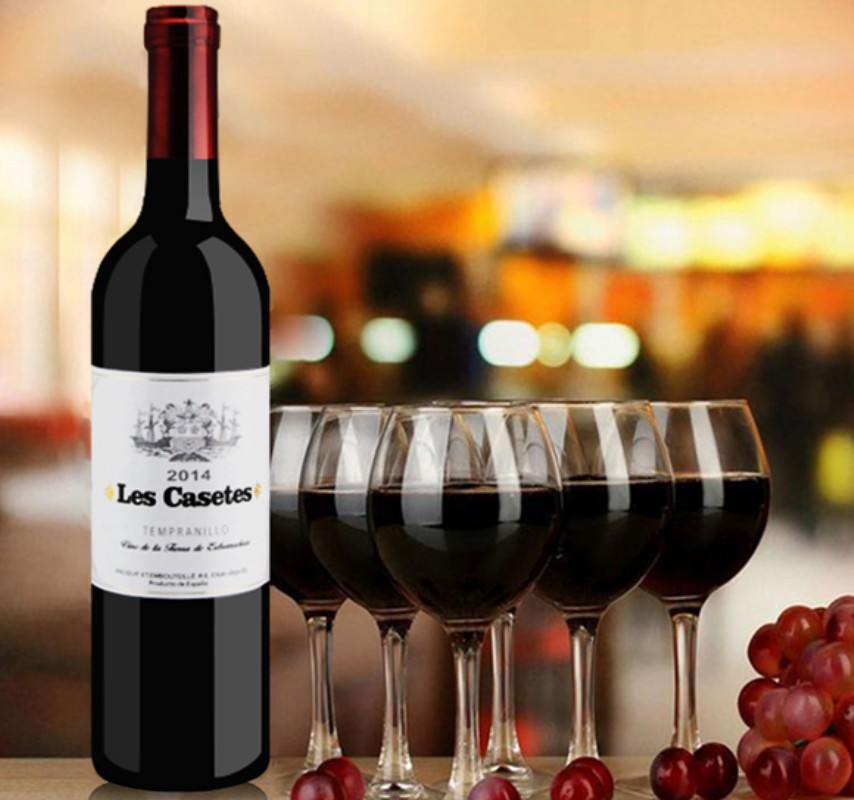
Detailed Scoring Criteria Table
| Evaluation Item | Score Range | Specific Standards |
|---|
| Appearance & Color | 0-5 points | 5 points - Perfect clarity, 4 points - Good, 3 points - Average, 2 points - Below average, 1 point - Flawed |
| Aroma Intensity | 0-10 points | Evaluation of aroma concentration and purity |
| Palate Balance | 0-10 points | Harmony of acidity, tannins, and alcohol |
| Finish Length | 0-5 points | Duration of taste after swallowing |
| Overall Impression | 0-20 points | Comprehensive quality assessment |
It’s important to note that red wines from different regions may require adjusted scoring standards. For example, Rioja wines typically have heavier tannins, while Priorat wines are known for their intensity.
Practical Scoring Tips
When using scoring sheets, I recommend starting with a quick overall evaluation, then scoring each item individually. Keep your palate clean during tasting by rinsing with water before each sample. When recording, use brief descriptive words like “rich fruit aromas” or “smooth tannins” for easy future reference.
Many Spanish wineries also provide their own scoring sheet templates, often including special items like “typicity” and “aging potential.” These additional items help us better understand the characteristics and value of a wine, such as Spanish red wine vintage ratings.
Finally, remember that scoring is just one tool in wine appreciation - personal preference is equally important. A wine that scores low on evaluation sheets might perfectly match your taste preferences. So while using scoring sheets, trust your own senses to truly enjoy the pleasure that red wine brings.
