Recently, I’ve been researching the Spanish red wine market and found the consumer demographics distribution quite fascinating. As the world’s third-largest wine producer, Spain’s red wine consumption habits and demographic characteristics are certainly worth exploring in depth.
According to the latest data from Spain’s Ministry of Agriculture and Wine Association, Spanish red wine consumption shows that current Spanish red wine consumers are primarily concentrated in the 25-65 age bracket, accounting for 78% of the total consumer base. Among these, the 35-50 age group represents the core consumer demographic, comprising approximately 45% of the market. This age segment typically enjoys stable economic income, maintains certain quality standards for red wine, and is willing to pay for premium products.
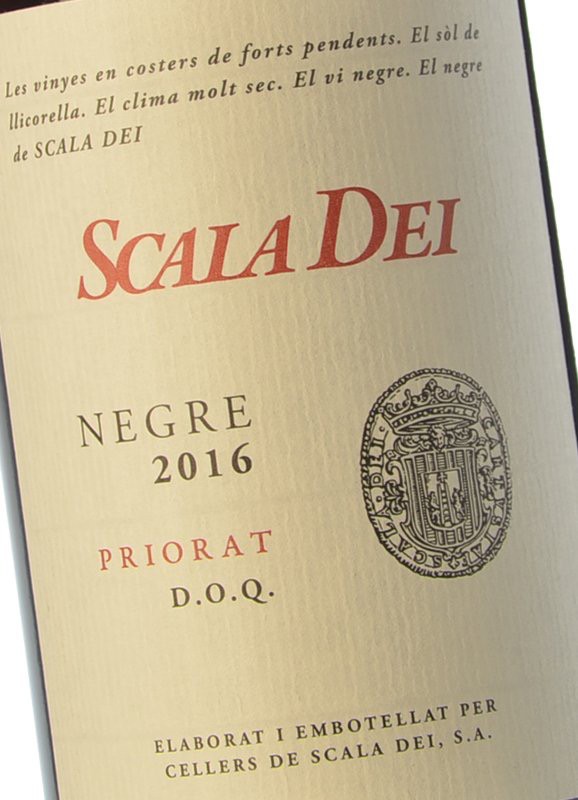
From an income perspective, red wine consumption displays distinct stratified characteristics. The middle class with monthly incomes between 2,000-4,000 euros forms the consumption backbone, favoring quality red wines in the 15-40 euro price range. High-income groups earning over 5,000 euros monthly, while representing less than 20% of the population, account for over 35% of total market spending.
Regional Distribution Characteristics
Geographic location significantly influences consumption habits. The Madrid and Barcelona metropolitan areas account for 42% of national red wine consumption, with per capita annual consumption reaching 28 liters, well above the national average of 21 liters. In contrast, northern regions like the Basque Country and Galicia show stronger preferences for local white wines and cider.
| Region | Annual Per Capita Consumption | Main Consumer Groups |
|---|
| Madrid | 32 liters | Urban professionals |
| Catalonia | 29 liters | Business people |
| Andalusia | 18 liters | Traditional families |
| Basque Country | 15 liters | Young demographics |
Younger consumers’ red wine consumption habits are evolving. They focus more on traditional marketing brand stories and social media influence, preferring products with attractive packaging suitable for sharing. While this demographic currently represents only 22% of total consumption, it shows the fastest growth rate at 8.5% annually.
These data reveal that Spain’s red wine market has a quite mature consumption structure, with different age groups and income levels showing distinct preferences. For those of us living in Spain, understanding these trends through resources like Spanish red wine recommended demographics helps us better select red wine products suited to our preferences.
