Recently, many friends have been asking about Spanish wine sourcing. As an expat who has lived here for many years, I’d like to share some practical experience and channel information. Spain, as the world’s third-largest wine producer, has abundant wine resources, and finding suitable sources indeed requires some know-how.
Major Regions and Characteristics
Spain has numerous wine regions, each with unique flavor profiles. Rioja region is one of the most renowned areas, where Tempranillo grapes produce full-bodied red wines with strong aging potential. The Ribera del Duero region is also popular with relatively reasonable prices. The Sherry from Andalusia in the south, while not red wine, is also an excellent export product.
Price differences between regions are quite significant. I’ve compiled a simple comparison table for reference:
| Region | Average Wholesale Price (€) | Main Varieties | Target Market |
|---|
| Rioja | 8-25 | Tempranillo | Premium market |
| Ribera del Duero | 6-18 | Tempranillo | Mid-to-high end |
| Valencia | 3-12 | Bobal | Mass market |
| La Mancha | 2-8 | Tempranillo, Cabernet | Entry level |
Main Procurement Channels
From my experience, contacting wineries directly is the most ideal approach, though it requires certain order quantities, usually a minimum of 500-1000 bottles. Many wineries have export departments that can provide FOB or CIF pricing. Additionally, Madrid and Barcelona have specialized wine wholesale markets where many intermediaries gather, offering more diverse Spanish wine sourcing options.
Online platforms are also good choices. B2B platforms like Alibaba and TradeKey have many registered Spanish wine merchants where you can directly inquire and compare prices online. However, be careful to verify authenticity - it’s best to conduct on-site inspections or request relevant certifications.
Quality Control Points
When selecting sources, I recommend focusing on several aspects: First is the DO certification mark, which is Spain’s official Protected Designation of Origin certification. Wines with this mark generally have quality assurance. Second, check the vintage and alcohol content on the label - generally, red wines with 13-14% alcohol content are suitable for the mass market.
Packaging is also important. For long-distance shipping, I recommend choosing thicker glass bottles and quality cork stoppers to reduce transportation losses. I once had a batch where poor packaging resulted in a 5% breakage rate upon arrival, causing significant losses.
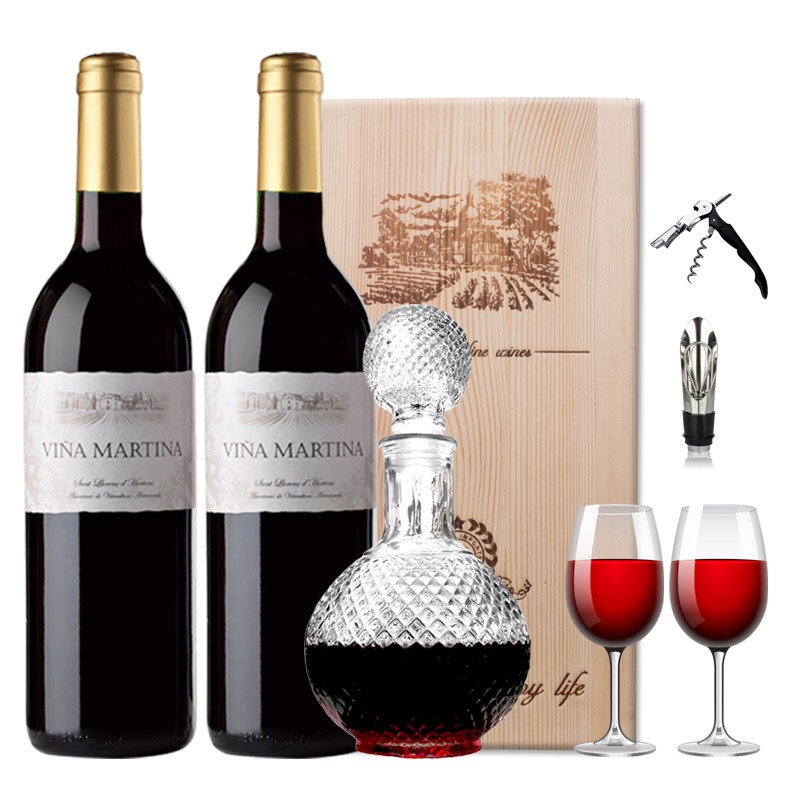
Spanish wine sources are relatively easy to find - the key is finding reliable partners. I suggest beginners start with small batches and gradually build stable supply relationships. If you have specific needs or questions, feel free to leave comments below for discussion. I’ll try to share more practical Spanish wine sourcing information.
