Recently at a winery tasting event in Madrid, I encountered several distinctive Spanish imported blended wines that felt very different from traditional dry reds. I’d like to share my experience with everyone.
What is Blended Wine
Blended wine is essentially traditional red wine enhanced with natural fruit juices, spices, or other flavoring components. Spanish blended wines typically incorporate Mediterranean ingredients like citrus fruits, cinnamon, and cloves, with alcohol content generally ranging from 8-12%, lower than ordinary red wines. These wine products are particularly popular in southern Spain, where locals often enjoy them with seafood or light meals during dinner.
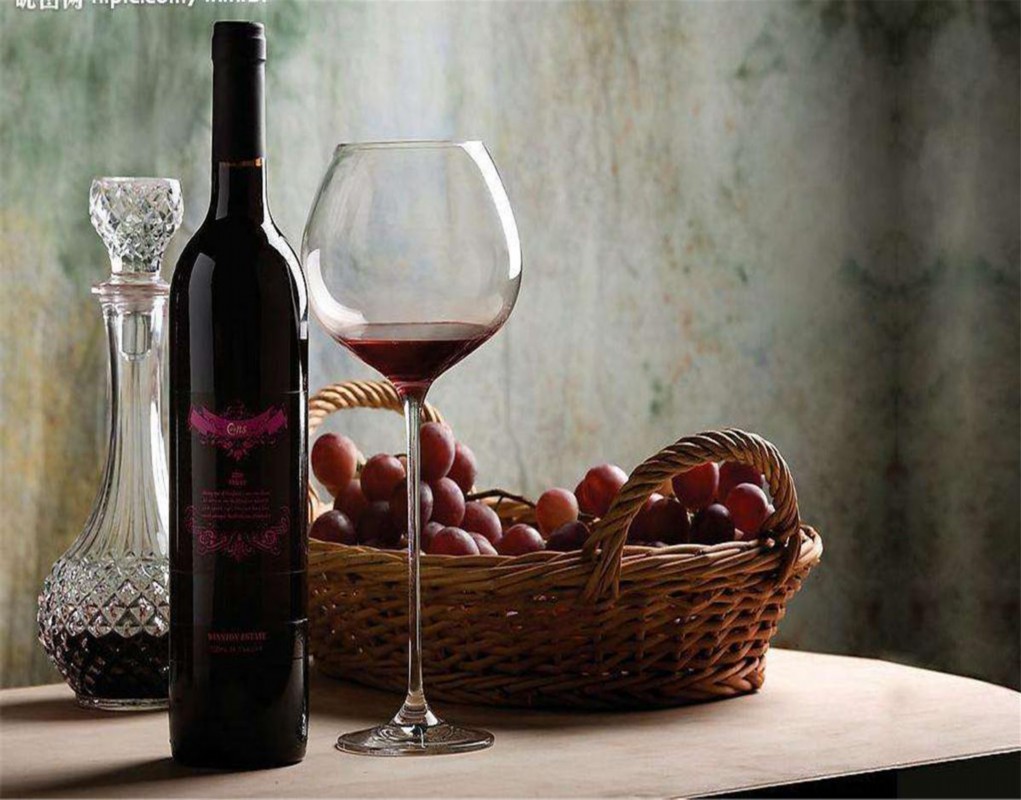
Main Varieties and Characteristics
Based on my understanding of Spanish red wine blending, Spanish imported blended wines mainly come in several types. Sangria-style blended wines are the most common, featuring rich fruit aromas; there are also traditional recipes modern improved versions with added herbs and spices, offering more complex and layered flavors.
| Wine Type | Main Characteristics | Suitable Occasions |
|---|
| Fruit-flavored blended wine | Sweet and refreshing, rich fruit aroma | Parties and gatherings |
| Spice-infused blended wine | Warm and mellow, prominent spice notes | Winter consumption |
| Sparkling blended wine | Fresh and crisp, with bubbles | Celebrations |
The common feature of these wines is their relatively mild taste, without the heavy tannin bitterness of traditional red wines, making them more accessible for those who don’t regularly drink wine, as noted in Spanish blended wine guides.
Purchasing Recommendations
When selecting Spanish imported blended wines, I recommend prioritizing brands with DO or DOC certification for quality assurance. Price-wise, products in the 15-30 euro range typically offer good value; cheaper options may contain more additives, while more expensive ones might not justify the cost compared to quality dry reds.
Also pay attention to expiration dates - blended wines containing fruit juice components typically have shorter shelf lives than regular wines. It’s best to consume them promptly after purchase. Store in cool, dry places, refrigerate after opening, and finish within 2-3 days.
