Recently while handling a batch of Spanish red wine import business, I found that many friends are not familiar with import codes, so I’ve compiled relevant materials to share with everyone.
Spanish red wines primarily use HS codes for classification in international trade, which is a globally standardized commodity classification system. For wine products, the main codes fall under section 2204, with quite detailed subcategories. It’s particularly important to note that different alcohol content and packaging specifications correspond to different subcodes.
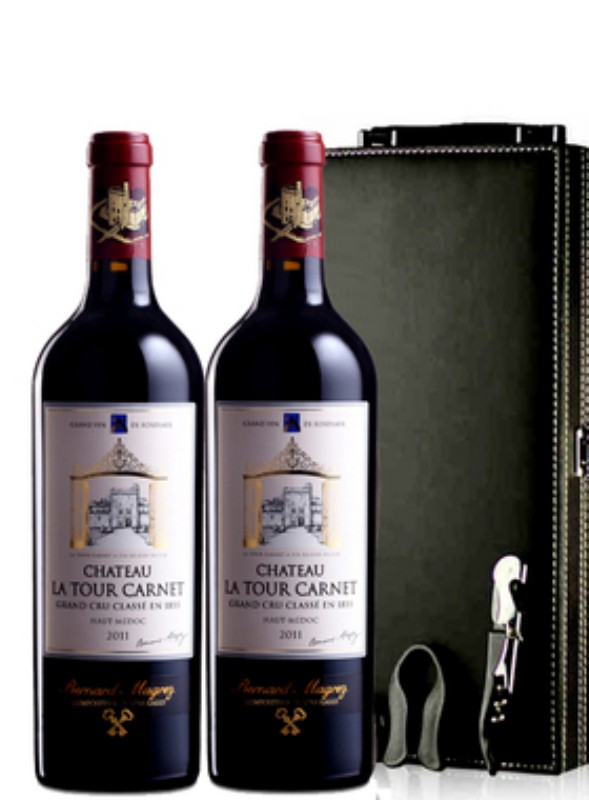
Main Code Classifications
Based on alcohol content and packaging volume, Spanish red wine import codes are mainly classified as follows:
| Code | Product Description | Alcohol Content | Package Specification |
|---|
| 220421 | Fresh grape wine | ≤14% | Containers under 2 liters |
| 220429 | Other fresh grape wines | ≤14% | Other packaging |
| 220430 | Other fermented beverages | >14% | Various packaging |
During actual declaration, accurate determination of alcohol content is crucial, as this directly affects applicable tax rates. Most premium Spanish red wines have alcohol content between 12-15%, requiring selection of corresponding codes based on specific values.
Key Tariff Policy Points
Currently, Spanish red wine imports mainly face three types of fees: tariffs, excise taxes, and value-added tax. Tariff rates vary depending on certificate of origin and trade agreements. EU-origin wines typically enjoy lower rates but require corresponding EUR.1 certificates or origin declarations.
Customs declaration also requires accurate completion of information such as brand, vintage, and region. Many people used to overlook these details, but these are actually key points for customs review. I recommend everyone thoroughly understand the specific requirements of their target market before importing, including details about Spanish red wine coding systems, to avoid customs clearance delays due to coding errors.
