Recently while shopping for wine at the supermarket, I discovered that the various codes on Spanish wine bottles can be quite overwhelming. As a wine enthusiast who has lived in Spain for many years, today I want to share the meaning behind these codes, hoping to help everyone make better choices when selecting wines that suit their preferences.
Regional Certification Code System
The most important codes on Spanish wines are the regional certification marks. DO is the most common designation, indicating that the wine comes from a legally protected specific region. The higher level is DOCa, currently only awarded to Rioja and Priorat regions. These codes typically appear as abbreviations on wine labels, such as “DO Ribera del Duero” or “DOCa Rioja”.
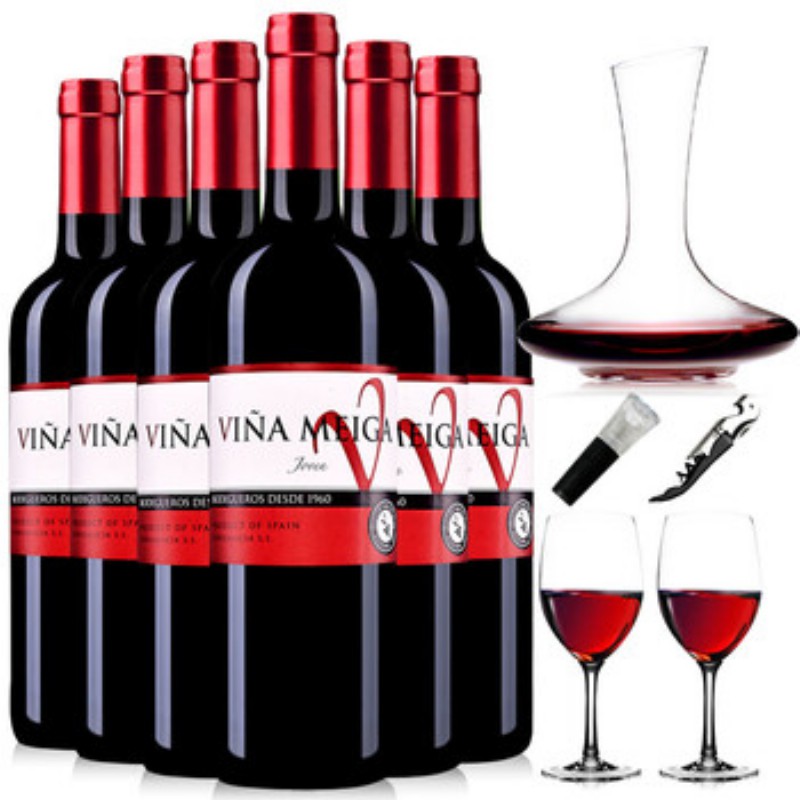
Vintage and Aging Classification Labels
Besides regional codes, vintage markings on bottles are equally important. Spanish wines are classified into different levels based on aging time: Joven, Crianza, Reserva, Gran Reserva. These designations are printed directly on wine labels, informing consumers about the wine’s aging level and quality standard.
| Classification | Aging Time | Characteristics |
|---|
| Joven | No aging requirement | Rich fruit aromas, suitable for young consumption |
| Crianza | At least 2 years | Balanced fruit and oak aromas |
| Reserva | At least 3 years | High complexity, suitable for collecting |
| Gran Reserva | At least 5 years | Premium quality, strong aging potential |
Alcohol Content and Volume Codes
Bottles must also display alcohol content and net volume. Spanish wines typically have alcohol content between 12.5% and 15%, reflecting grape ripeness and winemaking techniques. Volume codes include the common 750ml, as well as 375ml, 1.5L and other sizes, along with Spanish wine coding information.
Producer and Bottling Information
Finally, pay attention to producer codes and bottling information. Many people overlook this aspect, but these codes can tell you the winery’s specific location, bottling date, and other important details. “Embotellado en origen” means bottled at source, while “Elaborado por” is followed by the actual producer’s name - all important references for judging wine quality.
With this code knowledge, you can make more confident choices when purchasing Spanish wines next time. Remember, good wine isn’t just about price, but also about the quality information conveyed through these codes.
