Recently, while visiting several wine specialty stores in Madrid, I’ve noticed many friends complaining that local Spanish red wines always taste quite acidic and astringent, showing a noticeable difference compared to French or Italian wines. As someone who has lived here for several years, I’d like to share the reasons behind this phenomenon.
First, let’s talk about grape varieties. Spain’s main red wine grape is Tempranillo, which naturally has relatively high acidity and tannin content. Particularly young red wines from the Rioja region, due to grape harvesting timing and climate conditions, exhibit even more pronounced acidic and astringent characteristics. This creates a distinct taste difference from Bordeaux’s Merlot or Tuscany’s Sangiovese.
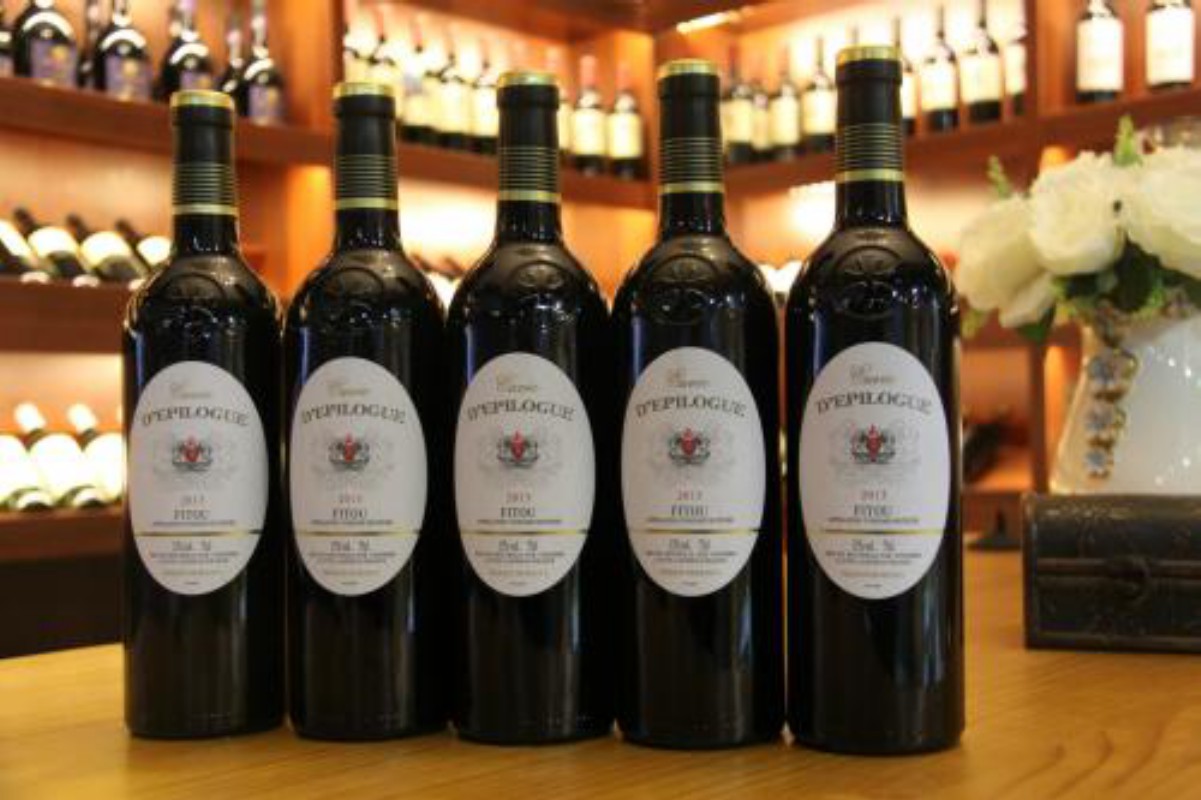
Secondly, there are the distinctive winemaking processes. Traditional Spanish winemaking methods focus more on preserving the original grape flavors, with relatively shorter fermentation periods, which retains more fruit acid components. Moreover, many wineries deliberately maintain a certain level of acidic and astringent taste to highlight regional characteristics, considering it a typical feature of Spanish red wine.
Taste Differences Across Regions
Spanish wines from different regions indeed vary in their levels of acidity and astringency. I’ve compiled a simple comparison table for non-acidic red wines:
| Region | Acidity Level | Tannin Strength | Serving Temperature |
|---|
| Rioja | High | Strong | 16-18°C |
| Ribera del Duero | Medium-High | Medium-Strong | 17-19°C |
| Priorat | Medium | Strong | 18-20°C |
| Jumilla | Low | Medium | 16-17°C |
Storage and transportation conditions also affect red wine taste. Many Spanish red wines imported to other countries may develop intensified acidic and astringent characteristics if temperature control is inadequate during long-distance transport. I recommend choosing products from importers with good cold chain guarantees when purchasing.
Finally, I want to emphasize that not all acidic and astringent Spanish red wines indicate quality issues. Some high-end aged red wines do exhibit noticeable acidic and astringent characteristics when first opened, but after proper decanting treatment, the taste becomes much smoother. I suggest allowing the red wine to breathe for 30 minutes to 1 hour before tasting, which can effectively improve the acidic and astringent issues.
