As a wine enthusiast who has lived in Spain for several years, I’d like to share some insights about Spanish wines. Spain, being the world’s third-largest wine producer, has a rich wine culture with a long history and diverse varieties that are absolutely worth exploring in depth.
Classic Regional Overview
When discussing Spanish wines, the Rioja region cannot be overlooked. This is one of Spain’s most renowned wine regions, primarily featuring Tempranillo grapes. Rioja wines are typically classified into three levels: young wines, aged wines, and reserve wines. I personally prefer the Crianza level, which offers both rich fruit aromas and moderate oak barrel flavors.
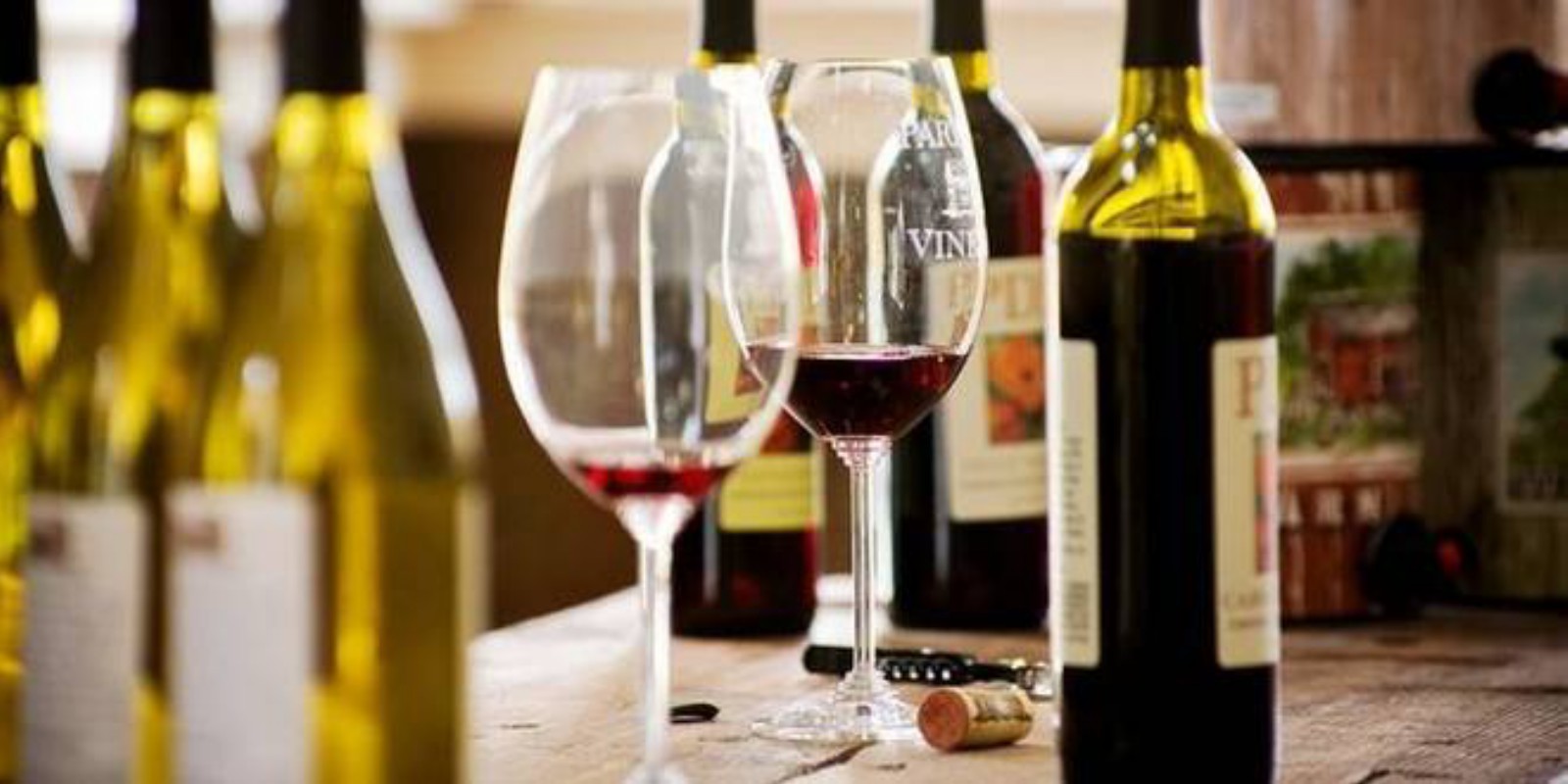
Besides Rioja, Ribera del Duero is another region not to be missed. The Spanish wines from this region are typically more intense and full-bodied, with higher tannin content, perfect for pairing with red meat dishes. I once tasted a wine from Vega Sicilia winery, and that complex layering and lingering finish remains unforgettable.
Main Grape Variety Comparison
| Grape Variety | Main Region | Flavor Profile | Food Pairing |
|---|
| Tempranillo | Rioja, Ribera del Duero | Rich fruit aromas, moderate tannins | Grilled meat, cheese |
| Garnacha | Aragon, Navarra | Full-bodied, high alcohol content | Game, roasted vegetables |
| Monastrell | Jumilla, Yecla | Deep color, intense spice notes | Stewed meat, sausages |
Tasting Tips to Share
When tasting Spanish wines, I recommend paying attention to several key points. First is decanting time - young Spanish wines typically need 30 minutes to 1 hour of decanting, while aged wines may require longer. Second is serving temperature, generally optimal at 16-18 degrees Celsius.
During tasting, carefully observe the wine’s color and clarity, then gently swirl the glass and smell the layered aroma changes. Spanish wines often carry distinctive vanilla, leather, and dried fruit aromas, characteristics brought by oak barrel aging. After sipping, let the wine linger on your tongue for a few seconds to appreciate the balance of acidity, tannins, and body.
For beginners to Spanish wines, I recommend starting with some cost-effective options, such as Campo Viejo’s Crianza or Marqués de Cáceres wines. These are excellent entry-level choices that are reasonably priced and available at local supermarkets. For those interested in Spanish ham and wine pairing, these wines provide a perfect foundation for exploring this classic combination.
