As a wine enthusiast who has lived in Spain for many years, I’d like to share some observations and insights about the wine culture here. Spanish wine culture is truly profound - it’s not just about winemaking techniques, but represents an entire way of life.
Ancient Winemaking Traditions
Spain’s winemaking history dates back to 1100 BC, when the Phoenicians first planted grapes on this land. During the Roman Empire period, Spanish wines were already being exported throughout the Mediterranean. Particularly during the Middle Ages, monasteries became crucial centers for preserving Spanish wine making techniques, and many traditional winemaking methods were established during that era. The Rioja region we know today had already established a strict quality control system by the 19th century.
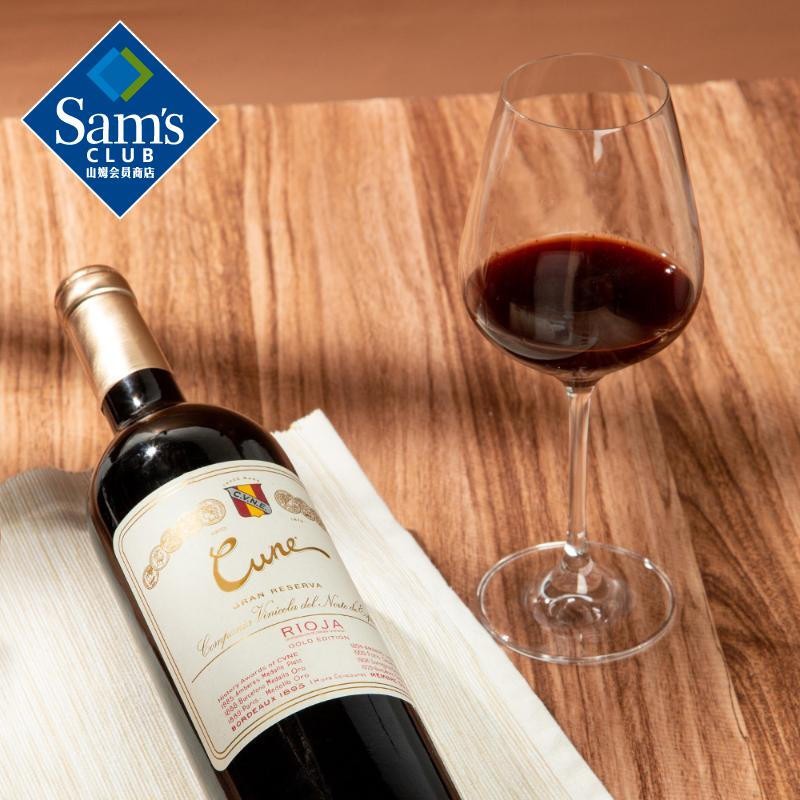
Regional Characteristics Comparison
Spain has many renowned wine regions, each with its own distinctive features:
| Region | Main Grape Varieties | Style Characteristics | Representative Wines |
|---|
| Rioja | Tempranillo | Elegant and balanced | Marqués de Riscal |
| Ribera del Duero | Tempranillo | Rich and robust | Vega Sicilia |
| Priorat | Garnacha, Cariñena | Strong mineral notes | Álvaro Palacios |
| Jerez | Palomino | Dry sherry style | Tio Pepe |
Spanish Wine Classification System
Understanding the Spanish wine classification system is very helpful when purchasing wines. The most basic level is Vino de Mesa, followed by Vino de la Tierra, then DO, with the highest level being DOCa. Currently, only Rioja and Priorat have achieved DOCa certification.
Spain also has an aging classification system: Joven, Crianza, Reserva, Gran Reserva. This classification helps consumers understand the maturity level of the wines.
Tasting Culture and Lifestyle Integration
In Spain, drinking red wine is not just about taste - it’s an important part of social activities. Every weekend, friends gathering to share a good bottle of wine is very common. Locals pay great attention to food and wine pairing - for example, Rioja reds with lamb, Jerez sherry with ham. These pairings represent wisdom passed down through generations.
Regarding tasting techniques, Spanish people focus heavily on wine balance. They believe good red wine should achieve harmony between fruit flavors, tannins, and acidity. When tasting, they habitually first observe the wine’s color and clarity, then smell the aromas, and finally when tasting, they let the wine linger in their mouth to experience its layered changes.
Spanish wine culture reflects this country’s respect for tradition and pursuit of quality living. Whether it’s the strict classification system or the rich regional characteristics, they all demonstrate Spaniards’ deep understanding of wine. As a wine enthusiast, I believe understanding this background knowledge helps us better appreciate the charm of every glass of Spanish wine.
