Just returned from a small winery in Madrid, and I must share this amazing Spanish Paradise Introduction red wine I recently discovered. As a wine enthusiast who has lived in Spain for five years, this tasting experience truly made me rediscover the winemaking craftsmanship of the Iberian Peninsula, much like the excellence found in Paradise Butterfly Wine.
First Encounter with Paradise Introduction
When I first heard this name, I thought it was some kind of poetic metaphor. Later I learned that Paradise Introduction is a premium red wine from the Rioja region, crafted using local traditional Tempranillo grapes. What makes this wine special is its perfect fusion of traditional craftsmanship with modern winemaking techniques, presenting unforgettable taste layers.
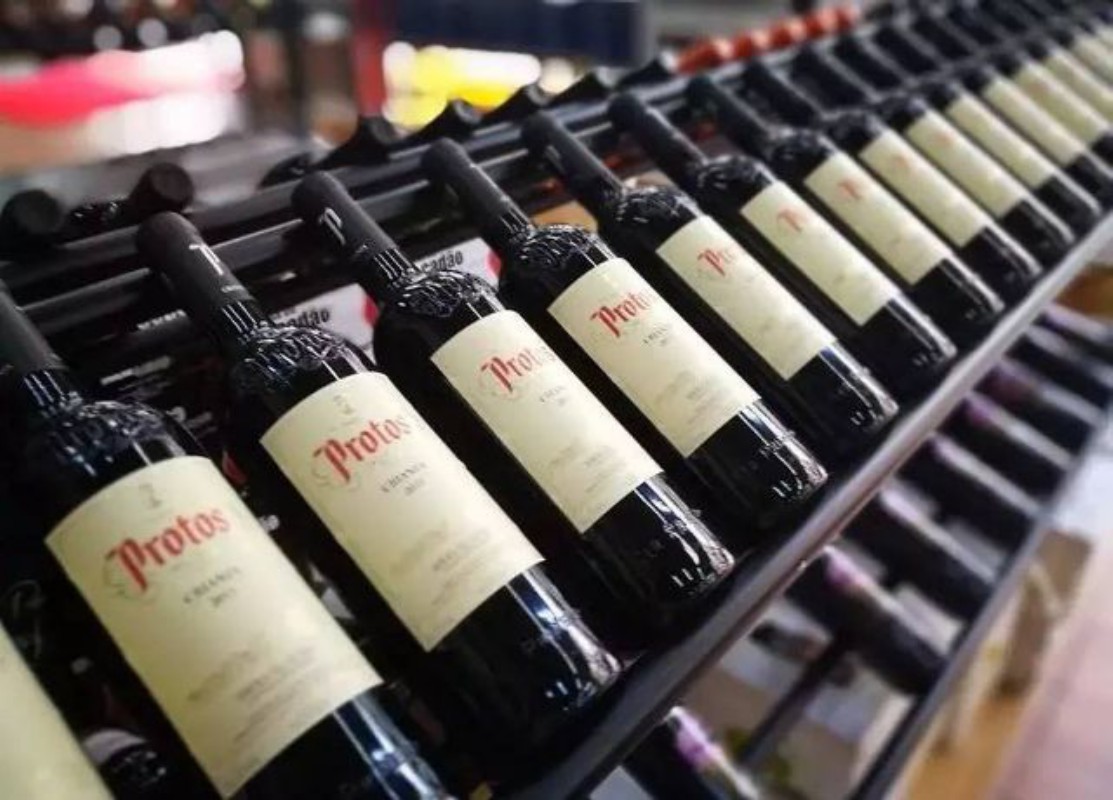
The wine displays a deep ruby red color, and when gently swirling the glass, you can see charming wine legs slowly sliding down. The initial aroma features rich blackberry and cherry notes, accompanied by subtle oak barrel fragrance and vanilla undertones. Upon tasting, the tannin structure is balanced, with moderate acidity and a long finish carrying a hint of chocolate’s bittersweet complexity.
Regional Background and Winemaking Process
The Rioja region is located in northern Spain, benefiting from the dual climate influence of the Atlantic and Mediterranean, creating ideal conditions for grape cultivation. The Tempranillo grapes used in Paradise Introduction red wine have been cultivated on this land for hundreds of years, with each grape containing deep cultural heritage.
| Winemaking Information | Detailed Parameters |
|---|
| Region | Rioja DOCa |
| Grape Varieties | 85% Tempranillo, 15% Garnacha |
| Aging Time | 18 months in oak barrels, 12 months bottle aging |
| Alcohol Content | 14.5% |
| Optimal Serving Temperature | 16-18°C |
The winemaker employs traditional fermentation techniques, conducting a 15-day fermentation process in temperature-controlled stainless steel tanks. Subsequently, the wine is transferred to French oak barrels for 18 months of aging, a process that gives the wine its complex aromatic structure and smooth mouthfeel.
Tasting Suggestions and Pairings
For friends trying Spanish red wine for the first time, I recommend decanting for 30-45 minutes after opening to allow the wine to fully contact with air. Tasting can be divided into three steps: observing color, smelling aroma, and tasting flavor. Each stage will bring you different surprises.
Regarding food pairings, Paradise Introduction red wine has perfect harmony with traditional Spanish cuisine. Light seafood might not be the best match, but pairing with roasted lamb, Iberico ham, or aged cheese are excellent choices. My personal favorite pairing is with an authentic Spanish paella, where the wine’s fruitiness forms a wonderful balance with the saffron spice flavors.
Purchase Channels and Price Reference
In Spain, this wine retails for approximately 25-35 euros, placing it in the mid-to-high-end price range. Major supermarkets like El Corte Inglés in Madrid and Barcelona carry it, while specialized wine shops offer more diverse selections. For online purchases, I recommend Decántalo and Vinissimus platforms, which frequently offer promotional deals.
Spanish Paradise Introduction red wine is definitely worth trying for every wine enthusiast. It not only represents the winemaking standards of the Rioja region but also serves as a window to experience Spanish culture. Next time there’s an opportunity, I must visit the winery in person to experience Rioja wine, as that atmosphere cannot be replicated when tasting wine at home.
