Spanish Red Wine Little Red Bird Discovery Guide
Having moved to Spain just six months ago, as a wine enthusiast, what excites me most is being able to experience these quality local red wines up close. Recently, following recommendations from local friends, I’ve gained deep insights into several Spanish red wines affectionately known as “Little Red Bird” and want to share my discoveries and experiences with everyone.
What is Spanish Red Wine Little Red Bird
The so-called “Little Red Bird” is actually our nickname for several Spanish red wines featuring red bird imagery on their packaging. These wines mainly come from the Rioja and Ribera del Duero regions, winning the love of many consumers with their elegant packaging design and excellent value for money. The most famous include classic selections from Marqués de Cáceres and limited editions from certain small family wineries, which you can explore more about through this .
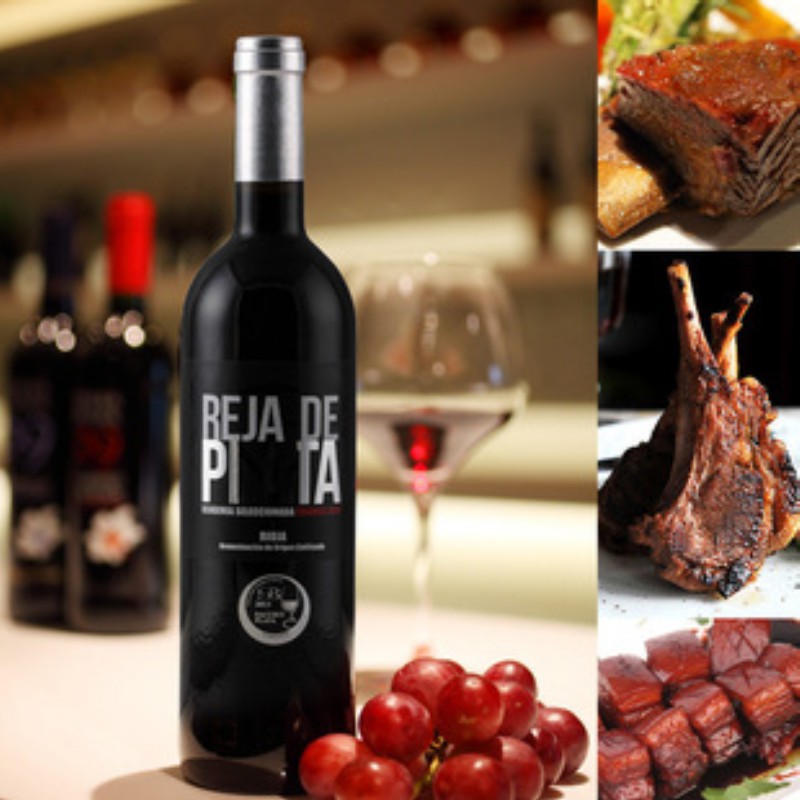
These red wines are primarily made from Tempranillo grapes, with some blending Garnacha and Mazuelo. From my tasting experience, the “Little Red Bird” series presents the following characteristics:
| Feature | Description |
|---|
| Color | Deep ruby red, aged vintages show pomegranate red |
| Aroma | Cherry, blackberry mixed with oak and spice notes |
| Palate | Medium body, smooth tannins, moderate acidity |
| Finish | Persistent, with subtle tobacco and leather notes |
Particularly noteworthy is that these wines typically undergo 12-18 months of oak aging, giving the wine complex yet balanced layers. Upon initial taste, you can sense fresh fruit flavors, followed by gradually emerging vanilla and toasted notes from the oak.
Purchasing Recommendations and Price Guide
Buying “Little Red Bird” in Spain offers obvious price advantages. Based on my research across different stores, prices typically range from 8-25 euros, depending on vintage, region, and winery classification. I recommend prioritizing 2018-2020 vintages, as wines from this period maintain fresh fruit aromas while possessing certain complexity.
When purchasing, check for DO certification on the label to ensure authentic regional wine. Additionally, if you plan long-term storage, consider Reserva or Gran Reserva classifications, as these wines with extended aging have better aging potential.
Perfect Food Pairing Combinations
“Little Red Bird” red wines have natural compatibility with traditional Spanish cuisine. My personal favorite pairings include: roasted lamb with rosemary, Iberian ham slices, aged Manchego cheese, and classic paella. This medium-bodied red wine won’t mask the food’s original flavors but rather enhances the overall dining experience.
For friends who enjoy home gatherings, I recommend opening bottles 1-2 hours in advance for proper aeration, allowing the wine to fully contact air and release richer aromas. Serving temperature should be controlled at 16-18°C, neither too heavy nor lacking sufficient structure. Such attention to detail allows you to better appreciate the charm of Spanish red wines.
