Eagle of Our Lady Red Wine Spanish Region Tasting Guide
Recently I tasted several Eagle of Our Lady red wines at a professional winery in Madrid, and I feel it’s very worth sharing with everyone. This brand has a good reputation in the Spanish wine industry, especially their red wine series, which is suitable for both daily drinking and special occasions.
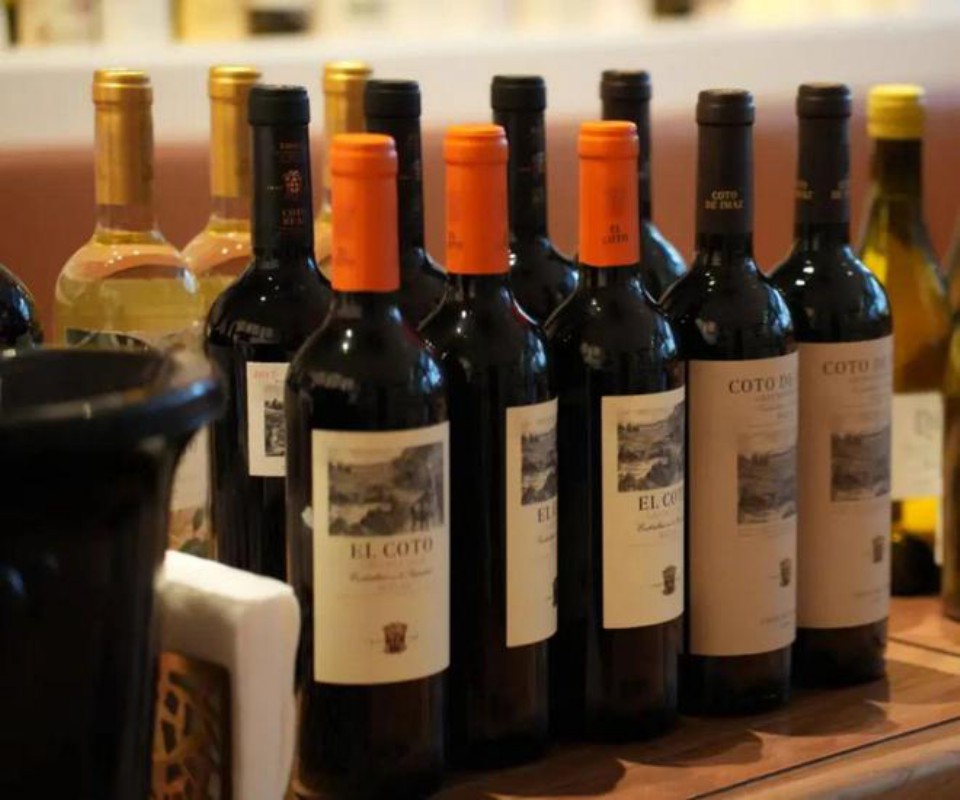
Regional Background and Characteristics
Eagle of Our Lady red wines are mainly produced in Spain’s La Mancha and Valencia regions. The climate conditions in these two regions are very suitable for grape cultivation, with hot and dry summers, mild winters, and large day-night temperature differences, providing an ideal environment for grapes to accumulate sugar and flavor compounds. You can learn more about similar Spanish wines in this Virgin Mountain red wine guide. The local limestone soil also provides good drainage and minerals for grape root systems.
The main grape varieties used by the brand include Tempranillo, Garnacha and Bobal, all of which are classic native Spanish varieties. Tempranillo as Spain’s treasure variety, gives the wines rich fruit aromas and good aging potential.
Winemaking Process Analysis
From what I understand, Eagle of Our Lady pays great attention to combining traditional and modern techniques in the winemaking process. They use temperature-controlled fermentation technology to ensure grape juice ferments at optimal temperatures while preserving the natural flavors of the grapes.
Oak barrel aging is one of their major features, with different levels of wines aged in French or American oak barrels for 3-12 months. This process not only adds complexity to the wines but also imparts unique vanilla and toasted aromas.
Comparative Tasting Notes
| Wine Type | Alcohol Content | Main Aromas | Serving Temperature |
|---|
| Young | 13.5% | Red berries, floral | 14-16°C |
| Aged | 14% | Black berries, vanilla, toasted | 16-18°C |
| Reserve | 14.5% | Complex fruit, leather, spices | 18-20°C |
In terms of taste, the young wines are quite fresh and easy to drink with prominent fruit flavors; aged wines are more full-bodied and rounded with more mature tannin structure; reserve wines have the highest complexity, rich layers, and long finish.
Food Pairing Suggestions
Based on my tasting experience, different types of Eagle of Our Lady red wines pair well with different dishes. Young wines are suitable for light meals, salads or simple roasted chicken; aged wines pair very well with Iberian ham, roasted lamb chops or mature cheeses; reserve wines are best paired with red meat dishes such as braised beef or grilled steak.
I used to think Spanish red wines were all quite heavy, but Eagle of Our Lady wines show excellent balance, having both the passionate boldness of Spanish wines while maintaining elegant taste. Whether enjoying alone or sharing with friends, they are excellent choices. The prices are also quite affordable with very good value for money.
