Complete Guide to Spanish Wine Classification
As a wine enthusiast who has lived in Spain for many years, I’ve noticed that many friends are still unfamiliar with Spain’s wine classification system. Today I’ll share this comprehensive grading system with you, hoping to help you make more targeted purchases.
Spain’s wine classification system is divided into four main levels, from highest to lowest: DOCa, DO, IGP, and Vino de Mesa. This system was inspired by France’s AOC system but incorporates Spanish local characteristics.
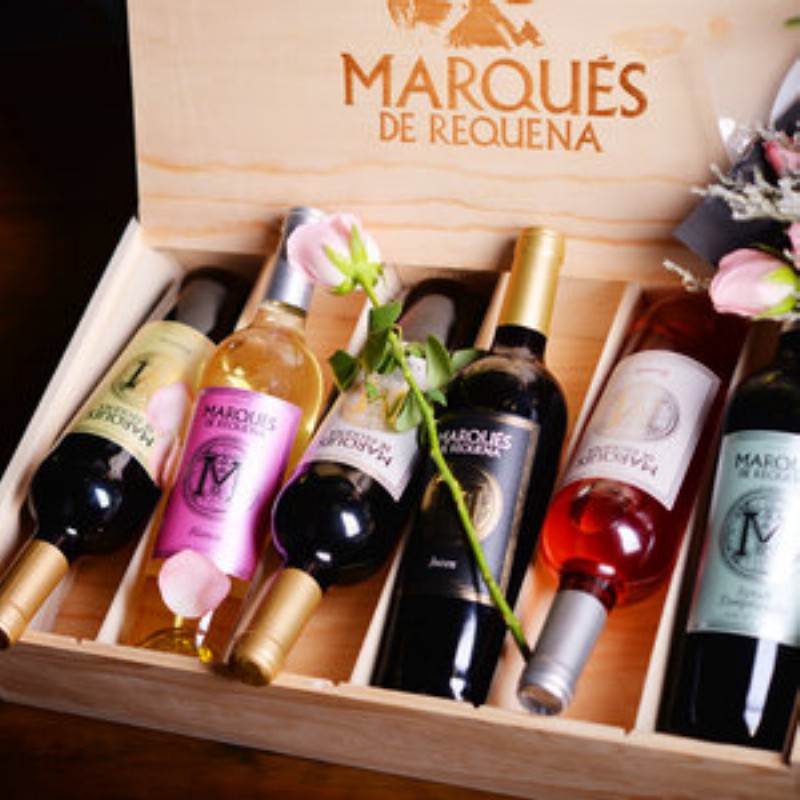
DOCa Level: Premium Quality Guarantee
DOCa is Spain’s highest wine classification level, currently only awarded to Rioja and Priorat regions. Wines at this level must undergo at least 10 years of DO-level evaluation and pass strict quality audits. DOCa-level red wines are typically higher priced, but their quality is truly outstanding, making them ideal for collecting and special occasions.
DO Level: Mainstream Premium Choice
DO level represents the backbone of Spanish wines, with approximately 70 DO regions currently recognized. These regions have clearly defined geographical boundaries, specific grape variety requirements, and production standards. Famous regions like Ribera del Duero and Jumilla belong to the DO level. Wines at this level offer excellent value for money and are great choices for daily consumption.
Here’s a simple comparison table of Spanish wine classifications:
| Level | Full Name | Number of Regions | Price Range | Usage Occasion |
|---|
| DOCa | Denominación de Origen Calificada | 2 regions | High-end | Collection/Special occasions |
| DO | Denominación de Origen | About 70 | Mid to high-end | Daily tasting |
| IGP | Indicación Geográfica Protegida | Multiple | Mid-range | Daily consumption |
| Vino de Mesa | Table wine | Unlimited | Entry-level | Mass consumption |
IGP and Table Wine Levels
IGP level falls between DO and table wine, with certain regional requirements but relatively relaxed standards. These wines typically come from larger geographical areas, such as Castilla. The most basic Vino de Mesa has no strict regional restrictions and primarily serves daily consumption needs. Although lower in classification, there are still many excellent value-for-money options.
When making purchases, I recommend choosing based on the drinking occasion and budget. For daily meal pairing, DO-level red wines are excellent; for important gatherings or collection purposes, DOCa level is definitely worth the investment. Remember, price isn’t the only criterion – understanding the Spanish wine classification system is key to finding the right wine for you.
