As a wine enthusiast who has lived in Spain for many years, I’ve noticed that many friends still don’t fully understand the classification system of Spanish wines. Today I’ll discuss Spain’s AOP classification system, hoping to provide clear criteria for making informed purchasing decisions.
Overview of Spanish Wine Classification Levels
Spain’s wine classification system is quite strict, divided into four main levels. From lowest to highest: Vino de Mesa, Vino de la Tierra, DO, and DOCa. This system ensures consumers can clearly understand the AOP versus DOC certification comparison quality standard of each bottle.
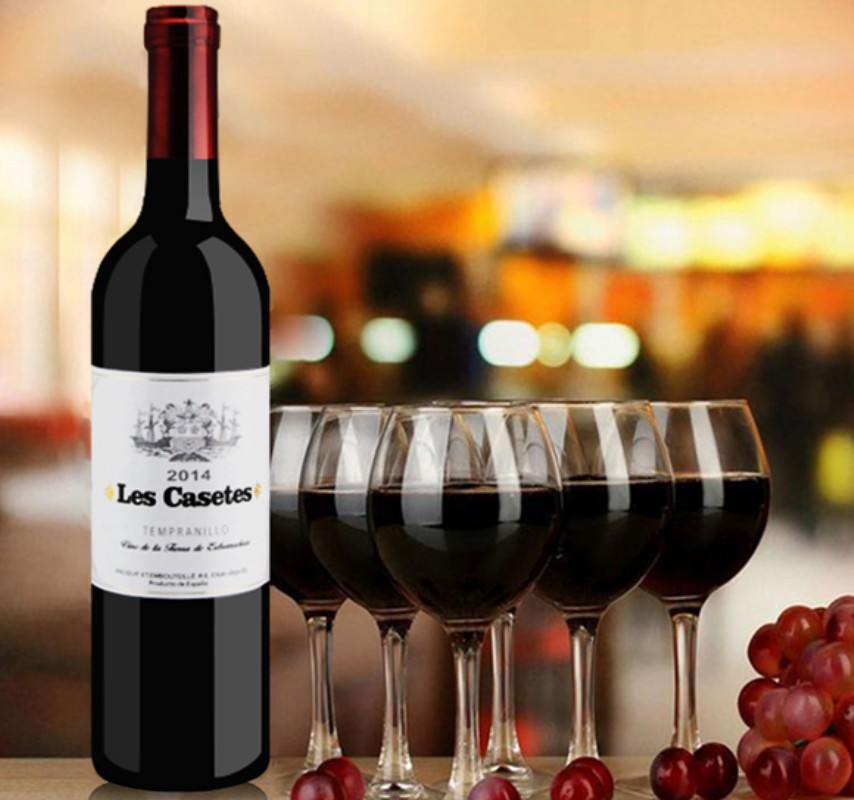
DO Level: The Backbone of Spanish Wine
The DO level represents the core classification of Spanish wines, standing for Denominación de Origen. Currently, Spain has over 70 DO regions, each with strict production regulations. Famous regions like Rioja and Ribera del Duero belong to the DO level. These wineries must use designated grape varieties, follow traditional winemaking techniques, and pass official quality inspections.
DO level wines clearly display the region name and certification mark on their labels, typically priced between 15-50 euros. For daily consumption, DO level red wines offer excellent value, ensuring quality without being overly expensive.
DOCa Level: The Pinnacle of Spanish Wine
DOCa level represents the highest classification of Spanish wines, standing for Denominación de Origen Calificada. Currently, only two regions have achieved this honor: Rioja and Priorat. To obtain DOCa certification, a region must maintain excellent performance at the DO level for at least 10 years, and wineries must bottle and sell their wines rather than selling bulk wine.
Here’s a comparison table of Spanish wine classifications:
| Level | English Name | Number of Regions | Price Range (€) | Quality Characteristics |
|---|
| Vino de Mesa | Table Wine | Unlimited | 3-8 | Daily consumption |
| Vino de la Tierra | Regional Wine | 42 | 8-15 | Distinct regional character |
| DO | Designated Origin | 70+ | 15-50 | Stable and reliable quality |
| DOCa | Qualified Designated Origin | 2 | 50-200+ | Premium quality |
How to Identify Authentic AOP Level Wines
When purchasing, carefully examine the wine label. Authentic DO or DOCa level wines will display official certification marks on their labels. DO level wines typically feature the regional council’s seal, while DOCa level wines have more elaborate labels, often indicating vintage and specific quality grades.
Also be aware that you shouldn’t be fooled by counterfeit markings. Genuine AOP level certification is strictly regulated by Spain’s agricultural departments, with each region having a dedicated council responsible for quality control. If you notice unclear information on labels or unusually cheap prices, exercise caution.
Understanding Spain’s AOP wine classification system greatly helps in selecting quality wines. Whether choosing DO level wines for casual dining or enjoying DOCa level wines for special occasions, this knowledge enhances our appreciation of Spanish wine’s charm. I hope this information proves useful, and I welcome other wine enthusiasts to share their tasting experiences.
