Recently at a wine exhibition in Madrid, I had the privilege of tasting several red wines from Spanish royal cellars, and their rich, layered flavors still linger in my memory. As a wine enthusiast who has lived in Spain for many years, I’d like to share some insights about these royal treasures.
Historical Heritage and Royal Taste
The history of Spanish royal cellars dates back several centuries, with these wines embodying the Spanish monarchy’s ultimate pursuit of wine quality. Unlike ordinary commercial wines, royal cellar reds focus more on traditional craftsmanship and the passage of time. Each bottle undergoes rigorous selection, with only the finest grapes earning entry into the royal cellars.
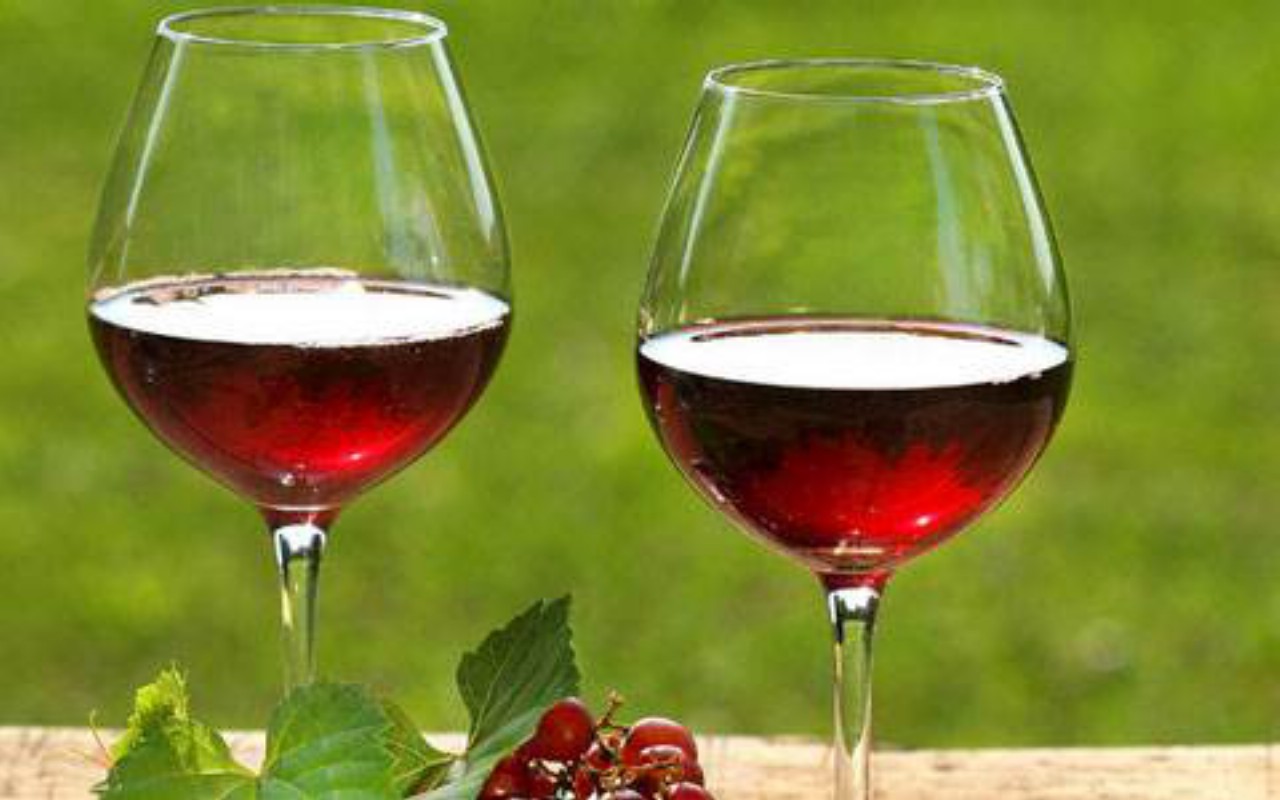
From a winemaking perspective, these reds predominantly use traditional oak barrel aging, typically lasting 18 to 24 months. Oak barrels impart complex vanilla and smoky flavors while making tannins more supple. According to the winery’s master winemaker, each oak barrel is carefully selected, with French oak barrels contributing elegant spice notes while American oak barrels add sweet coconut flavors.
Main Regions and Grape Varieties
| Region | Primary Variety | Characteristic Flavors |
|---|
| Rioja | Tempranillo | Cherry, vanilla, leather |
| Ribera del Duero | Tempranillo | Blackberry, chocolate, minerals |
| Priorat | Garnacha, Cariñena | Rich fruit, herbal notes |
Royal cellar reds primarily come from Spain’s most renowned regions, with works from Rioja and Ribera del Duero being particularly outstanding. Tempranillo grapes, as Spain’s signature variety, receive perfect interpretation in these wines, much like understanding wine cellar pricing considerations. Each region’s soil and climate conditions provide unique environments for grape cultivation, creating red wines of distinct styles.
Tasting Techniques and Pairing Suggestions
When tasting these premium reds, opening and drinking immediately is not recommended; it’s best to open bottles 1-2 hours ahead for proper aeration. Pour wine to one-third of the glass, gently swirl to release aromas. First observe the wine’s color and clarity, then take a deep breath to appreciate the layered fragrance evolution.
For food pairings, these reds complement roasted lamb, Iberian ham, or aged Manchego cheese beautifully. Traditional Spanish braised oxtail with red wine creates an excellent combination, as the wine’s acidity balances meat’s richness while tannins create wonderful chemical reactions with proteins.
As cellared dry reds enthusiasts among ordinary consumers, while we cannot directly purchase authentic royal cellar treasures, some wineries offer similar-style limited editions in the market. Though these wines command premium prices, they represent excellent choices for special occasions or collecting. After all, experiencing wines that carry Spanish royal traditions is itself a unique cultural journey.
