As a professional following the Spanish wine industry, I recently attended the China International Import Expo held in Shanghai and was deeply impressed by the bustling atmosphere of the Spanish wine pavilion. At this year’s import expo, Spanish wines truly shone, not only achieving record participation numbers but also attracting significant attention from numerous Asian buyers.
Record-Breaking Participation Scale
According to official statistics, this import expo featured over 80 Spanish wineries, representing nearly 30% growth compared to last year. Among them were several highly renowned wineries, including Marqués de Riscal from the Rioja region and Vega Sicilia from Ribera del Duero. These wineries brought complete product lines ranging from everyday table wines to reserve-grade treasures, fully demonstrating the diversity and quality advantages of Spanish wines.
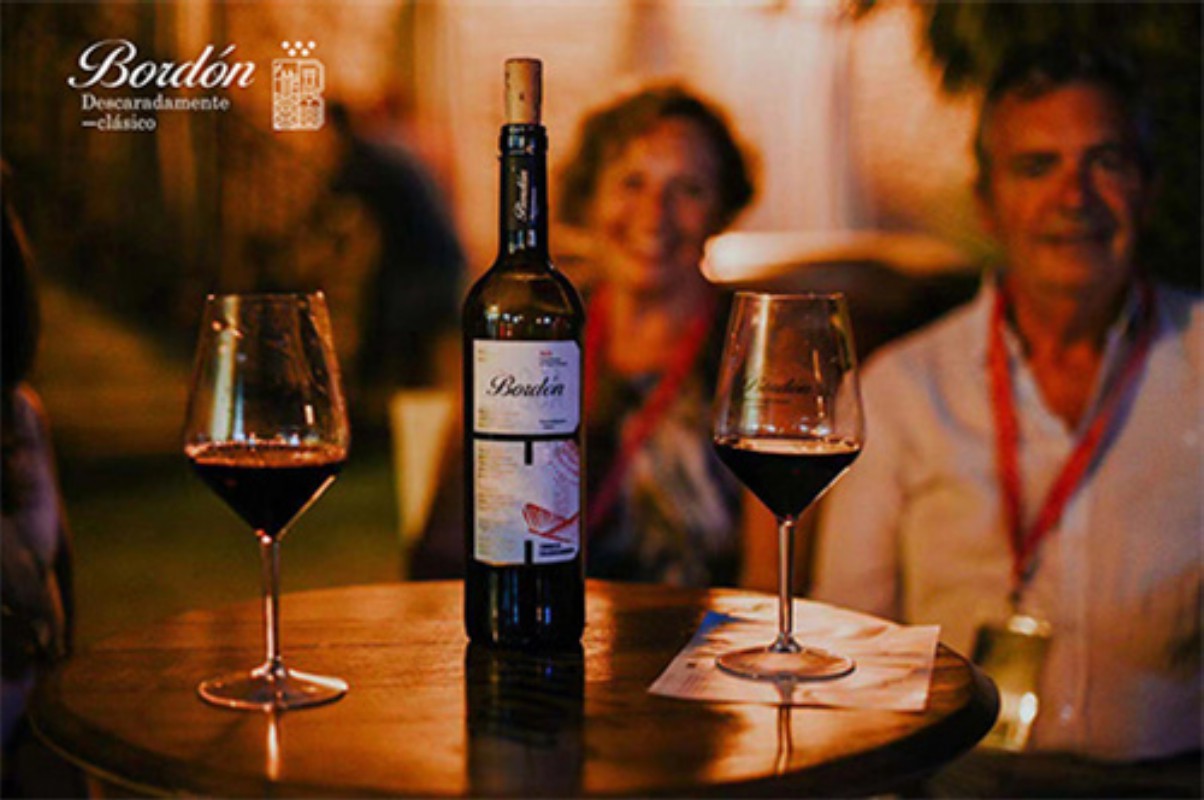
The geographical distribution of participating Spanish wineries was quite extensive, covering almost all major regions from northern Rioja to southern Andalusia. Particularly, the Rioja region showed the highest participation enthusiasm, with 25 wineries participating, accounting for one-third of the total.
Outstanding Performance Across Regions
| Region | Number of Participating Wineries | Main Varieties | Average Price Range |
|---|
| Rioja | 25 | Tempranillo | €15-80 |
| Ribera del Duero | 12 | Tempranillo | €20-120 |
| Priorat | 8 | Garnacha | €25-90 |
| Galicia | 10 | Albariño | €12-45 |
From on-site feedback, Chinese consumers’ acceptance of Spanish wines is increasing. Particularly those full-bodied, rich-flavored Tempranillo variety red wines received excellent evaluations during tasting sessions. An importer from Beijing told me their company plans to increase Spanish wine imports by 40% this year, mainly attracted by the value-for-money advantage.
Promising Market Prospects
Through conversations with representatives from various participating wineries about [Spanish old vine red wines], I learned that Spanish wineries’ emphasis on the Asian market is continuously growing. Many wineries indicated that China has become one of their most important export markets outside of Europe. It’s expected that Spanish wine exports to China will maintain 15-20% annual growth over the next three years.
The younger generation of Chinese consumers shows increasing interest in wine culture, providing enormous development opportunities for Spanish wines. Some wineries are already considering establishing brand promotion centers in China and collaborating with local wine education institutions to promote Spanish wine culture.
This import expo showed me the vitality and potential of the Spanish wine industry. With strengthening China-Spain trade relations, I believe more high-quality Spanish wines will reach Chinese consumers’ tables. As an industry observer, I’m full of expectations for Spanish wines’ performance in the Chinese market and hope for more opportunities to taste fine wines from the Iberian Peninsula.
