Bierzo Wine: A Brilliant Gem in Spain’s Wine World
As a wine enthusiast who has lived in Spain for many years, I must say that Bierzo wines are absolutely worth exploring in depth, including Duke of Bierzo selections. This region is located in the Castilla y León autonomous community, and while it may not be as famous as Rioja, its unique terroir conditions create a distinctive wine style.
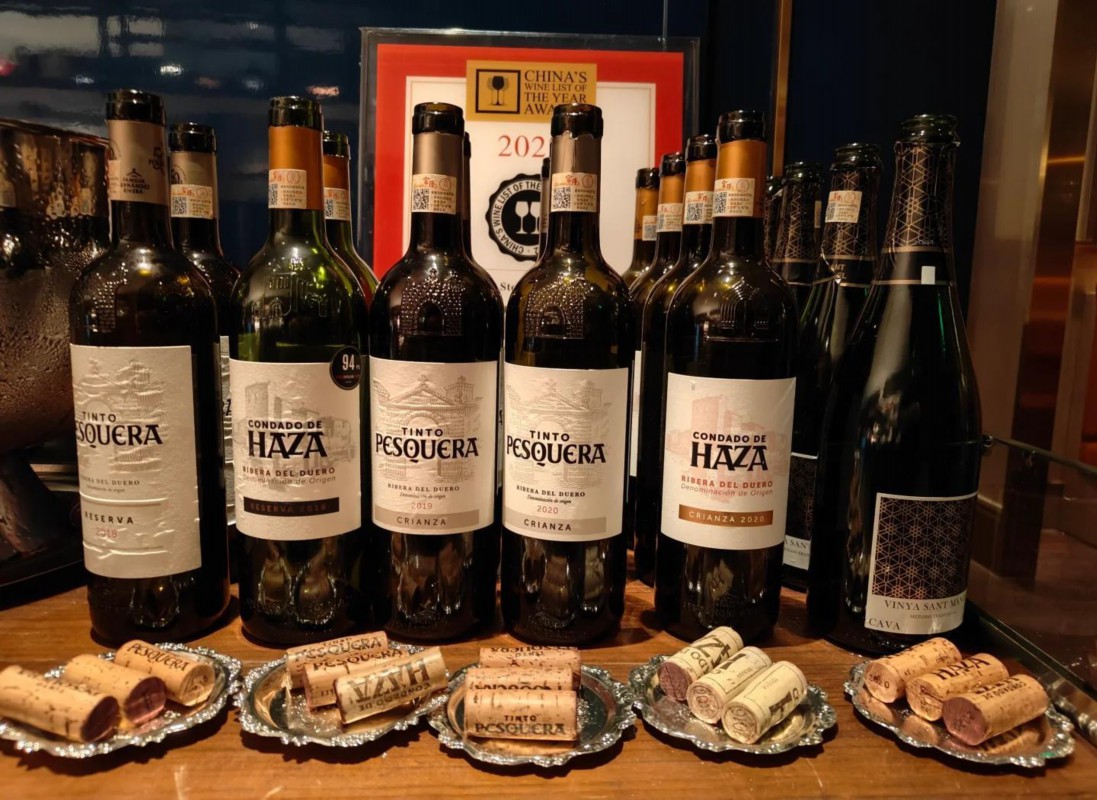
Regional Characteristics and Terroir Conditions
The Bierzo region sits at relatively high altitude with a continental climate and significant day-night temperature variations. This climatic feature allows grapes to ripen slowly, accumulating richer aromatic compounds. The limestone-dominant soils provide excellent drainage, creating ideal growing conditions for vine roots, as seen in Bierzo Premium wines. The region primarily cultivates Mencía grape variety, with some wineries also blending small amounts of Garnacha and Malbec.
| Feature | Bierzo Region | Notes |
|---|
| Altitude | 700-900m | High altitude brings cool climate |
| Annual Rainfall | 400-500mm | Moderate precipitation |
| Main Variety | Primarily Mencía | Approximately 85% |
| Aging Method | Oak barrels + bottle aging | Traditional techniques |
Winemaking Process and Aging Characteristics
Bierzo winemakers place great emphasis on traditional craftsmanship heritage. Fermentation typically occurs in stainless steel tanks, with temperature controlled between 26-28°C to better extract color and tannins while maintaining fruit freshness. Subsequent oak barrel aging is a crucial step, with most wineries using French oak barrels for 12-18 months of aging.
Bierzo wines typically possess excellent aging potential. Quality vintage wines can be cellared for 10-15 years or even longer under proper storage conditions. The wine body becomes more supple over time, and the aromatic complexity also increases.
Taste Profile and Tasting Guidelines
Typical characteristics of Bierzo wines include deep ruby red color, with aromas showcasing ripe red berries, vanilla, leather, and mineral notes. On the palate, the tannin structure is solid yet not rough, with balanced acidity and a long finish. Compared to Rioja wines, Bierzo wines tend to be more restrained, requiring some decanting time to fully reveal their charm.
For tasting, we recommend using Burgundy-style glasses at 16-18°C. Young wines should be opened 1-2 hours in advance for decanting; for aged wines, decanting time can be extended to 2-3 hours. For food pairing, Bierzo wines match excellently with roasted lamb, Iberian ham, and hard cheeses.
Purchasing Tips and Price Range
For those new to Bierzo wines, I recommend starting with mid-range bottles, typically priced between 15-25 euros. Wines in this price range already showcase the regional characteristics well with excellent value. With a larger budget, consider reserve or gran reserva wines from renowned wineries, priced between 35-60 euros.
When purchasing, check the vintage information on the label - generally, 2018, 2019, and 2020 were excellent years. Avoid excessively cheap wines, as quality Bierzo wines require considerable investment. Good selections can be found in major Spanish supermarkets or specialized wine shops, and online platforms like El Corte Inglés also offer extensive inventory.
