Spanish Wine Price Trends Analysis
Recently preparing to return home to visit family, I want to bring some good Spanish local wines for friends back home. Having lived in Madrid for over three years, I have a decent understanding of the local wine market, so today I’ll share the changes in Spanish wine prices over the past two years.
Price Comparisons Across Major Wine Regions
From my observations over the past two years, Rioja region wine prices have remained relatively stable, though with modest increases. In 2022, a bottle of Marqués de Riscal Reserva cost around 12-15 euros, now it’s basically 16-18 euros. Ribera del Duero wines show more significant price increases, especially those from internationally award-winning wineries, with prices generally rising 20-30%.
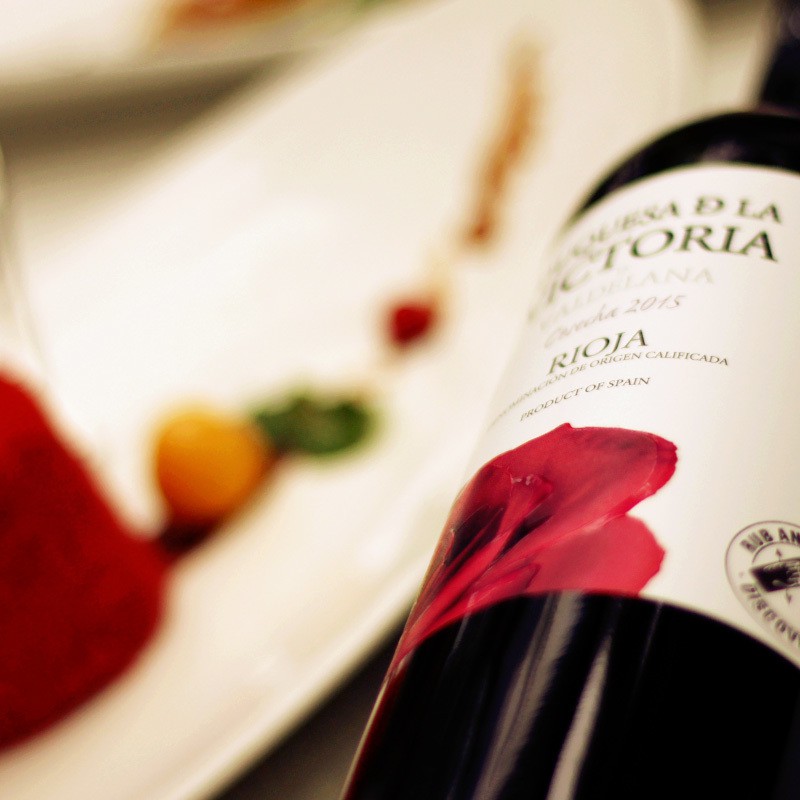
Below is a price comparison table I compiled for several major wine regions:
| Region | 2022 Average Price | 2024 Average Price | Increase |
|---|
| Rioja | 12-25€ | 15-28€ | 15-20% |
| Ribera del Duero | 18-35€ | 22-45€ | 25-30% |
| Catalonia | 8-18€ | 10-22€ | 20-25% |
| Andalusia | 6-12€ | 7-14€ | 15-18% |
Main Reasons for Price Increases
Inflation and rising costs are the primary factors. Spain’s overall inflation rate has remained at relatively high levels over the past two years, with significant cost increases across all stages including grape cultivation, winemaking, and packaging. Additionally, production fluctuations caused by climate change have indirectly affected prices. The extreme heat of summer 2023 caused many wineries to reduce production, naturally making quality vintage wines more scarce.
Growing international market demand has also driven up prices. Particularly with increased demand from American and Asian markets for Spanish premium wines, rising export volumes have created relatively tight domestic supply. At the Carrefour I frequently visit, Torres and Faustino brands that used to go on sale regularly now rarely offer discounts.
Recommendations for Taking Wine Home
From a value-for-money perspective, I recommend focusing on mid-range wines, roughly in the 15-25 euro range. Wines in this price range typically sell for 3-4 times their Spanish local price back home, making them worthwhile to bring back. Brands like Campo Viejo Reserva and Marqués de Cáceres offer stable quality and good recognition back home.
I don’t recommend bringing very cheap table wines, as despite their attractive prices, the transport risk and value proposition aren’t favorable. Conversely, some limited editions or boutique winery premium wines are worth considering, especially styles unavailable back home.
Based on my experience, each person can bring two bottles duty-free when returning home, with taxes required on additional bottles. I suggest choosing wines with special vintage significance or award-winning selections, so even if prices are slightly higher, their value as gifts through Spanish wine prices becomes more prominent. It’s best to understand the wine price trends and recipient’s preferences in advance, such as whether they prefer full-bodied or light and fresh styles, making your selection more precise.
