During a recent visit to local wineries, I gained deep insights into Aranda wines. As an important wine-producing region in Spain’s Castilla y León, Aranda has won the favor of numerous wine enthusiasts with its unique terroir conditions and traditional winemaking techniques. Today I’d like to share some insights about wines from this region.
Regional Geography and Climate Advantages
The Aranda region is located in the Duero River valley, where the plateau terrain at approximately 800 meters elevation provides ideal natural conditions for grape cultivation. This area exhibits distinct continental climate characteristics, with hot, dry summers and cold winters, along with significant day-night temperature variations. It is precisely these extreme climatic conditions that create the rich and layered taste characteristics of Aranda wines. The limestone soils within the region are rich in minerals, providing abundant nutrients for the grapes.
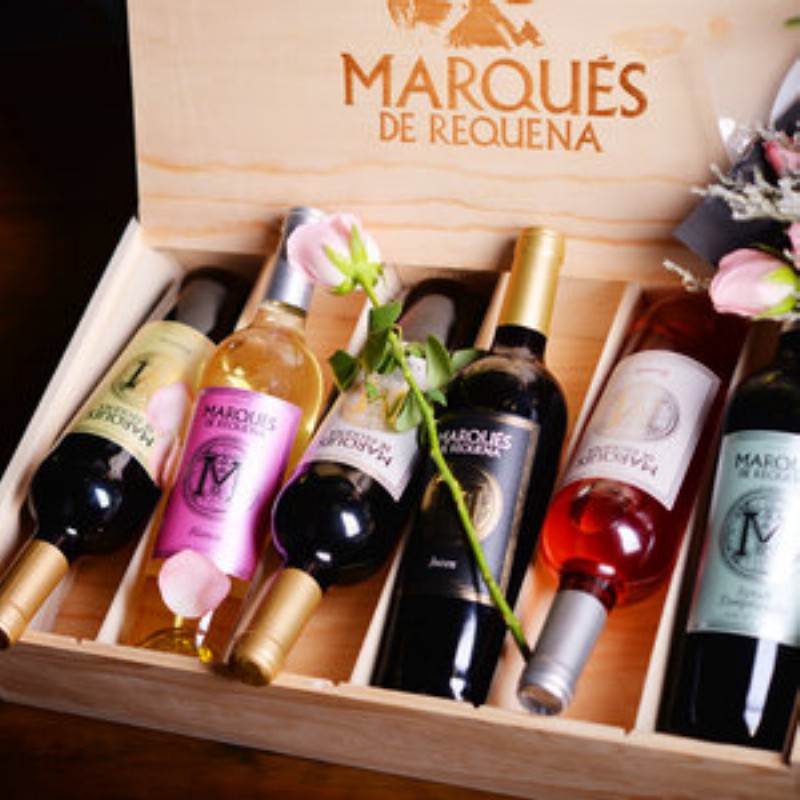
Main Grape Varieties and Winemaking Features
The Aranda region primarily grows Tempranillo grapes, Spain’s most representative native red grape variety. Additionally, small amounts of Cabernet Sauvignon and Merlot serve as blending varieties for Aranda wine. Local wineries commonly employ traditional fermentation techniques, aging in oak barrels for extended periods, typically requiring 12-18 months. These traditional methods give Aranda wines their distinctive oak aromas and complex tannin structure.
| Grape Variety | Percentage | Characteristics |
|---|
| Tempranillo | 85% | Rich fruit aromas, good aging potential |
| Cabernet Sauvignon | 10% | Adds tannin structure |
| Merlot | 5% | Softens mouthfeel, adds roundness |
Tasting Experience and Flavor Profile
From personal tasting experience, Aranda wines display a deep ruby red color with full, rich body. Initial aromas reveal distinct dark fruit notes such as black cherry and blackberry, followed by vanilla and toasted spice notes from oak barrel aging. On the palate, tannins are abundant yet balanced, with moderate acidity and long finish. Young Aranda wines showcase prominent fruit flavors, while after several years of aging they develop more complex aromatic layers.
Food Pairing Suggestions
The robust character of Aranda wines makes them excellent companions to traditional Spanish cuisine. Light white meats are not the optimal choice; instead, roasted lamb, braised beef, and Iberian ham pair beautifully, balancing the wine’s tannins and acidity. For cheese pairings, aged Manchego cheese creates a classic combination where both flavors enhance each other.
For those trying Aranda wines for the first time, I recommend starting with medium-bodied vintage wines that are relatively affordable and approachable. As understanding of the regional style deepens, gradually explore premium reserve-level products from boutique wineries.
