I recently noticed many Valencia red wines in supermarkets with DO markings on their labels, and I’ve been wondering what this DO actually means. After researching, I finally understand it and want to share this knowledge with everyone.
Basic Concepts of the DO Certification System
DO is actually an abbreviation for Denominación de Origen, which translates to “Designation of Origin”. This is Spain’s official wine quality certification system, similar to France’s AOC certification. Wineries that obtain DO certification must strictly follow the region’s production standards, including grape variety selection, cultivation methods, winemaking processes, and all other aspects.
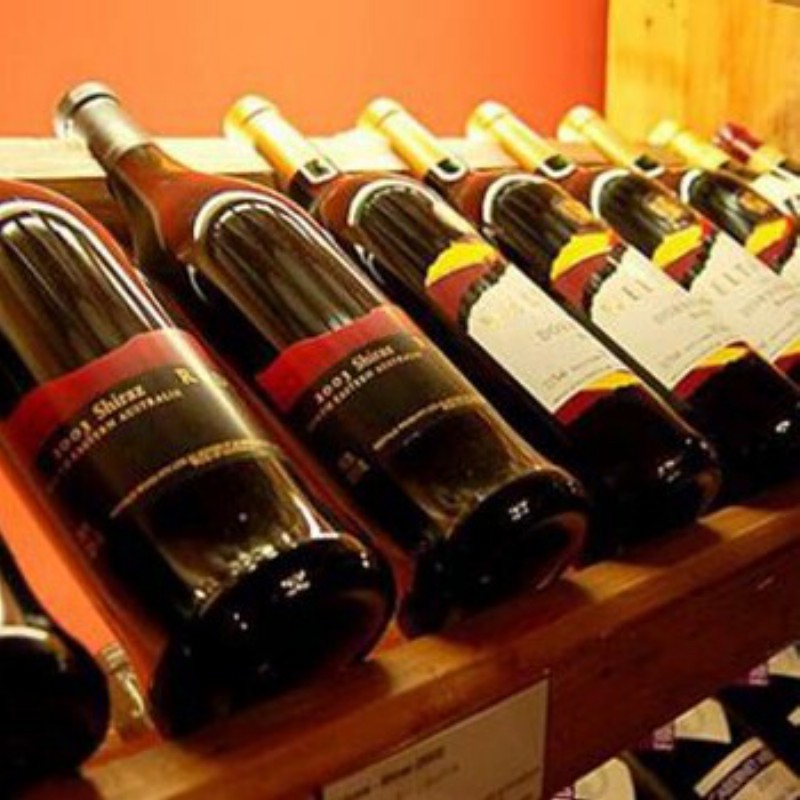
Valencia, as one of Spain’s important wine regions alongside nightingale-grade wines, received DO certification in 2001. This means that only wines produced in Valencia’s designated areas according to strict standards can use the “DO Valencia” designation.
Characteristics of Valencia DO Region
Valencia’s climate conditions are exceptionally suitable for grape cultivation, with the Mediterranean climate providing abundant sunshine and gentle sea breezes. The main grape varieties grown here include Tempranillo, Garnacha, Bobal and other local varieties, as well as some international varieties like Cabernet Sauvignon.
| Grape Variety | Characteristics | Suitable for |
|---|
| Bobal | High tannins, deep color | Full-bodied reds |
| Garnacha | Rich fruit aromas | Rosé, light-bodied reds |
| Tempranillo | Well-balanced | Classic reds |
How to Identify Authentic DO Grade Red Wine
When purchasing, carefully examine the wine label. Authentic DO grade Valencia red wines will clearly display “DO Valencia” on the label, usually accompanied by an official certification seal or number. Price-wise, DO grade wines are typically more expensive than regular table wines, but they offer more reliable quality assurance.
My purchasing recommendation is to choose reputable wine merchants or brands imported directly from the region, as this better guarantees the wine’s authenticity. Additionally, DO certification not only ensures the authenticity of origin but also confirms that the winemaking process meets traditional standards.
