Classic Three-Step Bullfighting Process Overview
Spanish bullfighting is not only a local cultural symbol but also a widely celebrated festival activity. Many newcomers find the steps complex when watching bullfighting, but the entire bullfighting process actually follows a fixed pattern. This post helps everyone organize the main stages of bullfighting, providing reference for appreciating bullfighting performances.
First Stage: Entrance and Initial Testing
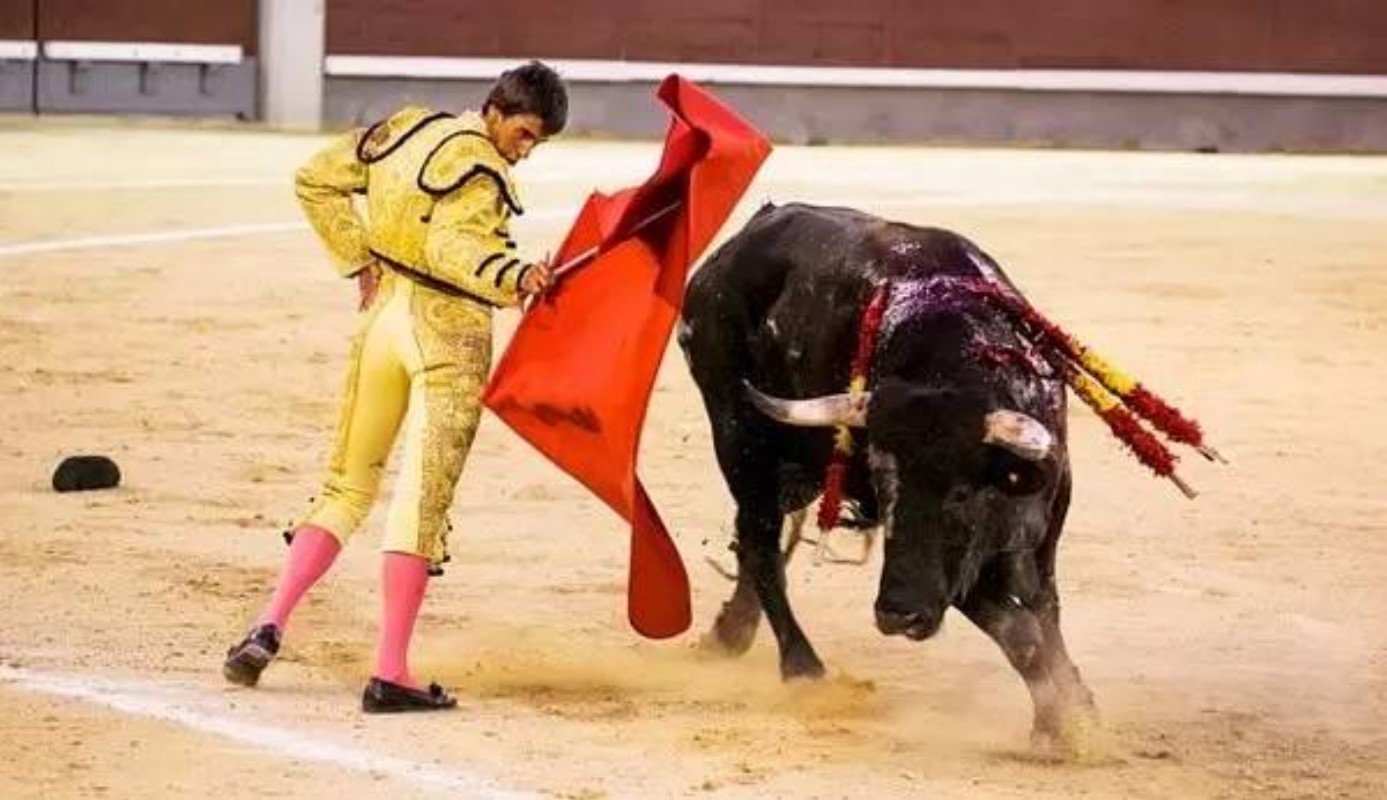
When bullfighting begins, the matador and assistants enter in full dress, bowing in respect. The matador uses the cape to test the bull’s character and attack patterns, while assistants help divert the bull’s attention. This stage mainly involves observing the bull’s reactions to prepare for subsequent actions.
| Stage Name | Main Task |
|---|
| Testing Phase | Testing, observing, guiding |
Second Stage: Piercing and Exhaustion
In this phase, mounted lancers enter carrying long spears, called “Picadors.” They pierce the bull’s shoulder area with lances, reducing the bull’s strength and forcing it to lower its attack frequency. This not only tests the horsemen’s skills but also creates conditions for the matador’s later performance. Assistants help attract the bull to ensure safety.
Third Stage: Banderillas and Decisive Moment
The bullfight reaches its climax as the matador enters wielding small decorated darts, inserting colorful banderillas into the bull’s back, increasing difficulty and visual appeal. At this time, the matador must precisely master the bull’s movement rhythm. The audience often responds to the matador’s performance with applause.
Final Duel and Victory Determination
After multiple rounds of exhaustion and performance, the matador will use the sword for the final fatal strike. If successful, the audience will show approval with white handkerchiefs. Judges decide whether to award prizes based on the matador’s performance, such as ears or tail trophies.
Current Status and Discussion of Spanish Bullfighting
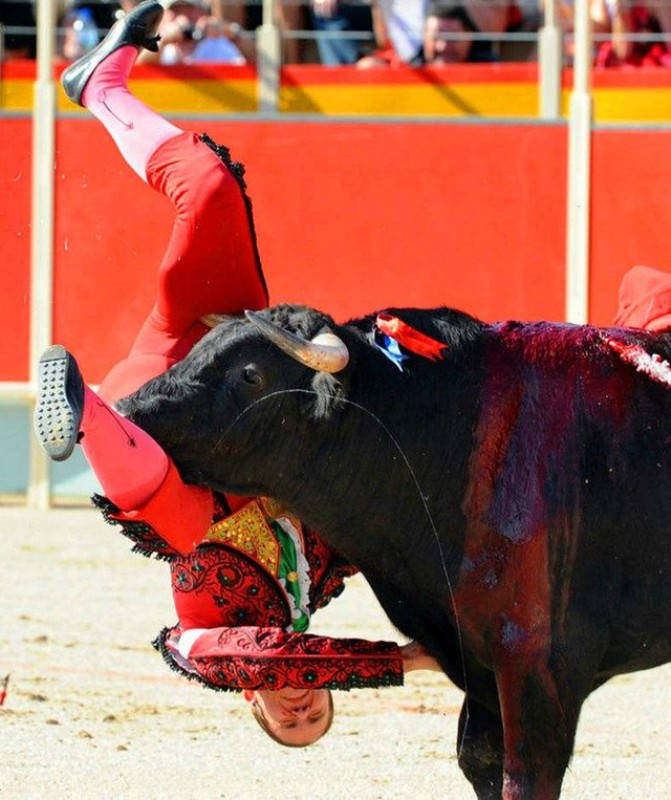
Bullfighting is a performance art with a long history in Spain, but it has also been controversial in recent years. Different regions have varying attitudes toward bullfighting steps, with some areas having already banned bullfighting performances, and many citizens calling for attention to animal protection. What do you think about this tradition of bullfighting? Welcome to leave comments for discussion!
This article is only for personal sharing, welcome to add more!
