Overview of International Schools in Madrid
As the capital of Spain, Madrid is not only the political and economic hub but also one of the cities with the most concentrated international education resources. The range of international schools here is diverse, including British, American, and bilingual programs to suit different families’ needs. Many parents will spend time researching and comparing before enrollment to find the most suitable learning environment. 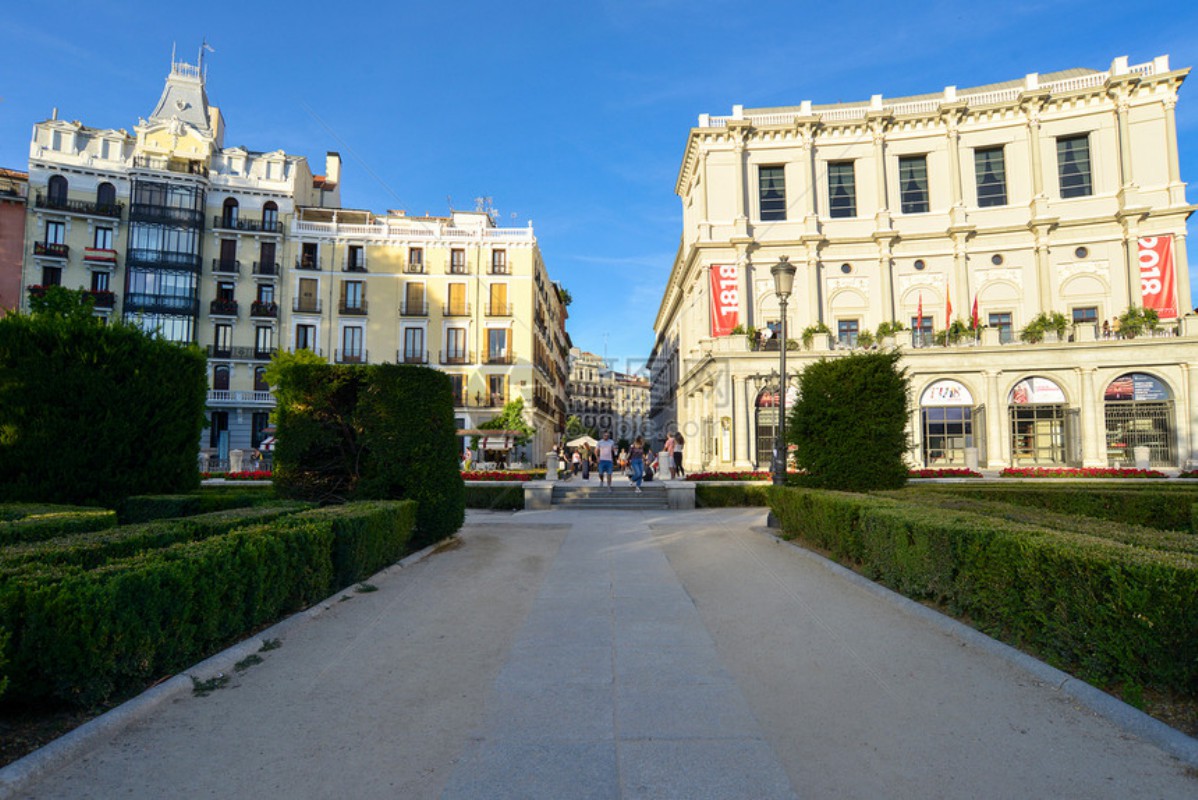
Types of Schools and Curriculum
Generally, international schools in Madrid fall into three categories: those following the British curriculum, those following the American curriculum, and schools such as Madrid West Area Schools that focus on bilingual education in Spanish and English. The table below offers a brief comparison of common types:
| Type | Curriculum Features |
|---|
| British | Emphasizes critical thinking and literary cultivation |
| American | Focuses on interest development and interdisciplinary projects |
| Bilingual | Balances language skills and integration into local culture |
Admission Requirements and Application Tips
Most international schools require application a year in advance, along with interviews or entrance tests. Parents are advised to prepare their child’s language proficiency in advance, particularly in English or Spanish. Some schools may also request academic transcripts. For families new to Madrid, do not overlook school bus routes and commuting time, as these factors will affect daily life quality.
Tuition and Living Costs
Tuition fees at international schools in Madrid vary widely, generally ranging from €8,000 to €18,000 per year. In addition to tuition, meal costs, uniforms, and extracurricular activities are major expenses. Evaluating school choices in the context of overall living costs can help avoid financial strain. Your choice of residential area can also affect expenses, with city center rents being noticeably higher than in suburban areas.
Parent Network and Community Support
Attending an international school in Madrid is not only a learning experience for children but also part of the family’s integration into a cross-cultural community. Many schools have active parent associations that regularly organize campus activities and city explorations. Participating in these events can expand your social circle and allow you to exchange parenting and learning experiences, enriching your life.
Conclusion
If you plan for your child to receive international education in Madrid, early planning and information gathering are crucial. By visiting schools such as Madrid Blue Ribbon Schools in person and learning about the programs and living facilities at Madrid Private Schools, you can more clearly determine which institution best fits your family’s long-term development. We hope the above insights provide useful references for your choice, and we also welcome you to continue discussing your own experiences and impressions in the forum.
