Overview of Buying a Home in Madrid
Many people, after living in Spain for a while, consider purchasing property in Madrid. Whether for personal residence or investment, having an early understanding of Madrid home buying pitfalls — including the process, budgeting, and common traps — can make your buying journey much smoother.
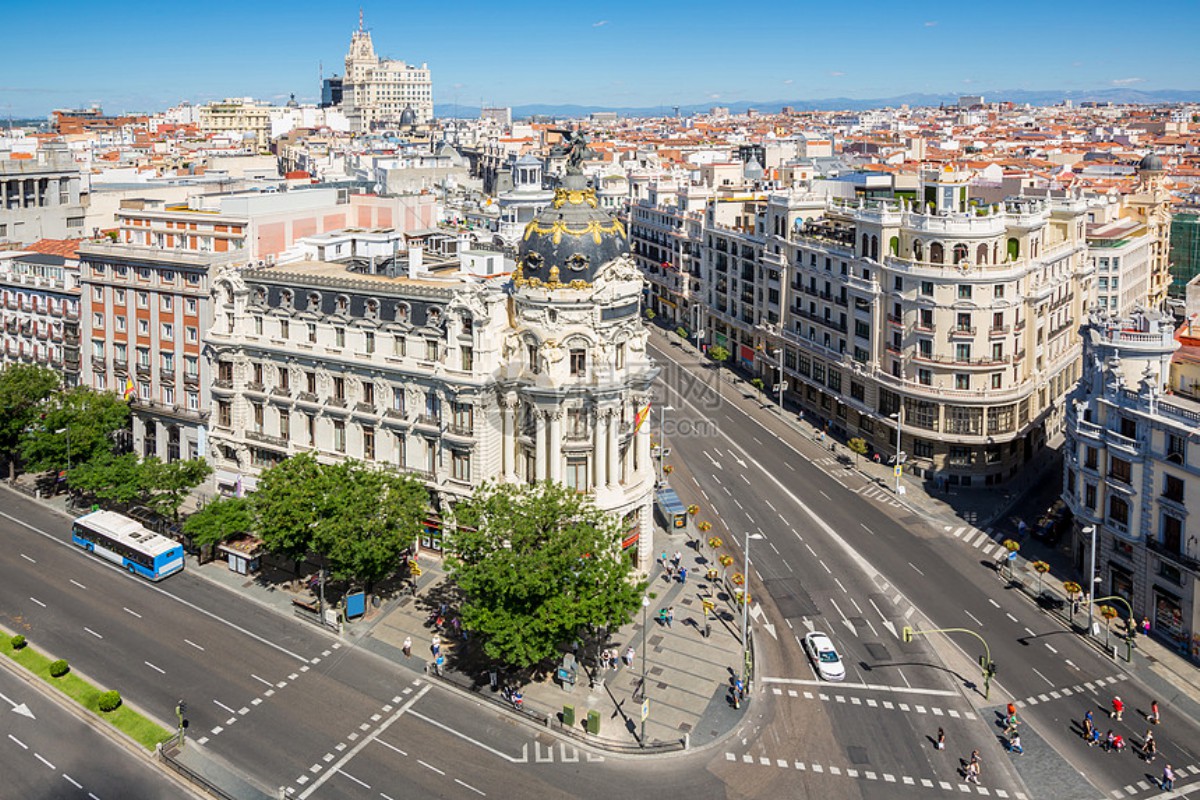
Price Differences by Area
Madrid property prices vary greatly, from the premium districts of Gran Vía and Salamanca in the city center to outer areas like Vallecas and Carabanchel, where the price range can differ by more than double. Below is a simple comparison of several common areas:
| Area | Average Price € per sqm |
|---|
| Salamanca | 6000+ |
| Chamberí | 5000+ |
| Vallecas | 2500-3000 |
Buying in a popular area helps preserve value but puts more pressure on your budget; in contrast, more affordable suburbs have longer commute times yet lower living costs.
Home Buying Process
The typical steps include: viewing properties → signing a reservation contract → securing a mortgage → notarized transfer. In Spain, notarization is a legal requirement, and after transfer you must register at the property registry.
Tip: When signing the reservation contract you must pay a deposit, and if Madrid home buying app the buyer defaults, the deposit will be forfeited.
Costs and Taxes
Beyond the property price, there are additional expenses to prepare for:
| Item | Cost Percentage |
|---|
| Transfer tax on resale property | 6%-10% |
| VAT on new property | 10% |
| Notary fee | 0.5% |
| Registry fee | 0.3% |
| Lawyer fee | 1%-2% |
These taxes and fees will increase your total budget considerably, so do not underestimate them.
Lifestyle and Investment Factors
If buying for personal living, factors like convenient transport, neighborhood safety, and available facilities may outweigh the potential for price appreciation, as seen in guides such as Madrid home buying for immigration. For investment purposes, focus on rental yield research. Some university and commercial districts in Madrid have very high rental demand and low vacancy rates.
Some buyers choose to purchase an older property, renovate it, and then rent it out. However, be aware that older homes can have structural, soundproofing, and energy efficiency issues.
Conclusion
Buying property in Madrid is both a financial decision and a lifestyle choice. Visit different neighborhoods in person, talk to local residents, and have a professional lawyer review any documents before signing a contract to avoid unnecessary trouble.
