Madrid Suburban Life and News Insights
In recent years, the changes in Madrid’s suburbs have been nothing short of transformative. From upgrades to transportation infrastructure to the increase in cultural activities, living in the suburbs no longer means inconvenient commutes or monotonous life. As a long-term resident and user of Madrid Suburb University, I’d like to share the latest developments here to make it easier for everyone to discuss and exchange ideas.
Community Transportation and Commuting
Train and bus routes in Madrid’s suburbs have clearly improved over the past two years, especially with the extension of the [Cercanías] network, making commuting from small towns like Alcobendas and Getafe much more convenient. However, peak morning hours still bring crowded conditions — a common small annoyance for many residents. For friends planning to relocate to the suburbs, as covered by Madrid Suburb News, you can refer to the table below for average commuting times:
| Suburban City | Average Commute to Madrid City Center |
|---|
| Alcobendas | 25 minutes |
| Fuenlabrada | 35 minutes |
| Parla | 40 minutes |
| Torrejón de Ardoz | 22 minutes |
Real Estate and Living Costs
Compared to the city center, property prices and rents in the suburbs are generally more affordable. For example, in some areas of Getafe, monthly apartment rent can be nearly half that of the city center. Trends over the past year show stable growth in property values in certain emerging neighborhoods, making them attractive for investors. 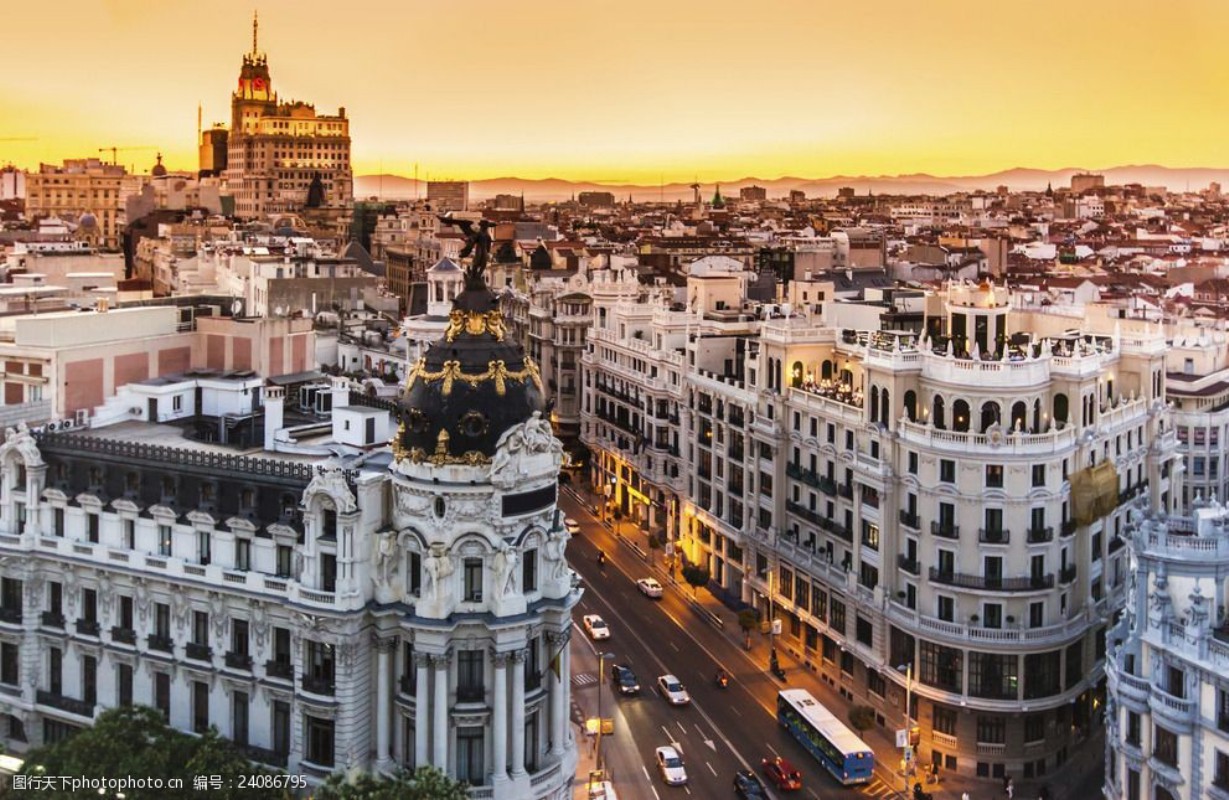
Community Culture and Activities
The cultural life in the suburbs is rapidly expanding. Annual spring markets, outdoor music festivals, and community sports activities not only draw local residents but also attract many families from the city center. Events such as the Alcobendas Spring Flower Festival have even become a trending topic on social media, featured by Madrid Suburb News.
Environment and Leisure Spaces
Many suburban cities are committed to environmental development by adding green spaces and bike lanes. On weekends, you can cycle along the [rio Manzanares] riverbank or enjoy picnics in community parks. This eco-friendly city planning enhances living comfort and appeals to nature lovers considering settling down.
Conclusion and Invitation to Discuss
Madrid’s suburbs are developing at a steady yet positive pace. Whether you’re a commuter, a young family, or a retiree, you can find a lifestyle here that suits you. Do you have news or experiences from your own suburb? Feel free to reply and share. How do you think the suburbs will evolve in the coming years?
